
Forex Gold Rates and Their Impact on Indian Markets
📈 Explore how forex gold rates influence India's economy, learn to track price shifts, and make informed decisions on gold investments with key tips for Indian investors.
Edited By
Isabella Wright
Timing is everything in forex trading. Knowing when to enter or exit the market can make a huge difference between profit and loss. While the forex market runs 24 hours a day, it doesn't stay equally active all the time. Some hours bring more volatility and trading opportunities than others, making the timing of trades crucial.
Forex trading follows the main global trading sessions, each influenced by different financial centres and regional business hours. These sessions include Tokyo (Asian), London (European), and New York (American). Understanding when these sessions start and finish helps traders spot periods of high trading volume, where currency prices move more actively.
The London session is often the busiest, overlapping with both the Tokyo and New York sessions at different times. For example, the London-New York overlap between 8:30 pm and 12:30 am IST tends to produce the highest liquidity and price swings, which can be both an opportunity and a risk.
Indian traders should also note the behaviour of particular currency pairs. Pairs like EUR/USD, GBP/USD, and USD/JPY move most strongly during these active hours, while others like USD/INR or EUR/INR may follow different patterns due to market regulations and liquidity.
The best time to trade is when the market is active enough to offer good price movements but not so volatile that risk becomes unmanageable.
Key factors influencing ideal trading times include economic data releases, geopolitical events, and central bank announcements. These events usually coincide with local market hours and can cause sudden price changes.
Focus on Session Overlaps: The London-New York overlap (evening to late night IST) offers good forex trading opportunities due to increased volume.
Avoid Thin Trading Hours: Early morning hours in India (just after midnight IST) often see low liquidity and higher spreads.
Keep an Economic Calendar: Track RBI policy announcements and global data releases like US Non-Farm Payrolls.
Pair Selection Matters: Trade currency pairs relevant to active sessions; for Indian traders, USD/INR may behave differently than GBP/USD.
Understanding market sessions and their timing helps optimise entry and exit points. Indian traders who align their strategy with these natural market rhythms stand a better chance of capitalising on price movements more effectively.
Understanding forex market hours is essential for traders and investors aiming to maximise profits and minimise risks. Unlike stock markets, forex runs 24 hours a day during weekdays, divided into several key sessions. Each session has distinct characteristics that influence trading behaviour, liquidity, and volatility. Knowing when these sessions start and end helps you plan trades around periods of high activity and avoid times when spreads widen due to thin liquidity.
The Asian session begins with the Tokyo market opening at 7:00 am IST and runs until about 3:00 pm IST. This session often sees lower volatility compared to Europe and North America, but it’s the primary time to trade currencies like the Japanese yen (JPY) and other Asian currencies. Indian traders eye the Asian session closely since it overlaps partially with Indian Standard Time, providing reasonable opportunities in currency pairs like USD/JPY and USD/INR.
Starting around 12:30 pm IST with the London market opening, the European session is one of the busiest. London’s financial hub status means high liquidity and a surge in trading volumes, particularly in GBP, EUR, and other European currencies. This session tends to bring stronger price movements and often sets the tone for the rest of the day. Traders in India must watch this session closely, especially when major economic data from the UK and EU are released.
The North American session opens with the New York market around 7:00 pm IST and overlaps with the tail end of the European session. This overlap is critical for liquidity spikes and price volatility, especially in USD pairs such as EUR/USD and GBP/USD. Indian traders often find this session profitable, given the clear market trends and opportunities for swing or intraday trades.
Liquidity in forex markets follows the clock closely. The Asian session shows relatively thin volumes, which can lead to wider spreads and less price action. When the European markets open, volumes surge, creating tighter spreads and better trade execution. The highest volumes often occur during the London-New York overlap, which can last for about 2.5 to 3 hours daily. During these periods, you will notice the tightest bid-ask spreads and the most active order books.
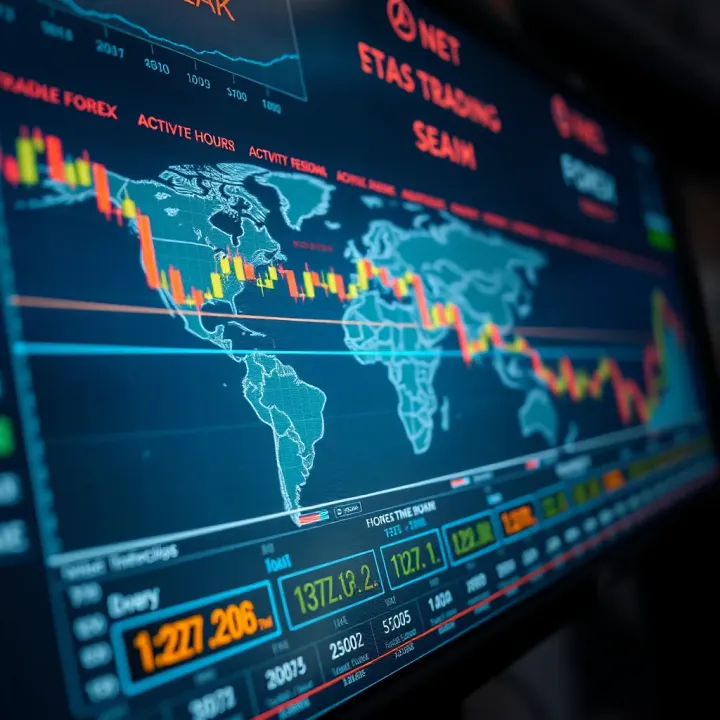
Price volatility generally increases with trading volume but can also spike during unexpected news releases. For instance, during the European and North American sessions, markets respond sharply to economic announcements like the US Non-Farm Payroll or ECB policy decisions. In contrast, price movements during the Asian session tend to be more gradual, except when sudden geopolitical events occur in the region. Understanding these patterns helps traders avoid being caught off-guard during low liquidity hours or capitalise on sharp price swings when volatility rises.
Knowing the nuances of forex market hours allows Indian traders to plan their activities better. By syncing trades with market sessions and understanding when liquidity peaks, traders can improve their strategy's effectiveness and reduce exposure to unfavourable conditions.
Knowing the peak trading times is vital for forex traders to maximise profits and manage risks effectively. When the market is most active, liquidity rises, meaning trades can be executed smoothly without large price swings. High activity also means increased volatility, presenting opportunities for traders who can read market trends well.
The London-New York overlap is often considered the most important trading window. This overlap lasts for about four hours between 8:00 am and 12:00 pm IST, when both markets are open. During this period, huge trading volumes in both sessions lead to tighter spreads and more predictable price movements. For example, major pairs like EUR/USD and GBP/USD see the highest activity during this overlap, making it an ideal time for day traders and scalpers.
The Tokyo-London overlap is shorter and less active but still relevant. Occurring in the early London session, roughly from 4:30 am to 6:30 am IST, it marks the transition of market activity from Asia to Europe. Currency pairs involving the Japanese yen (JPY), such as USD/JPY and EUR/JPY, tend to show more price action during this time. Traders focusing on Asian pairs find this overlap useful for catching early market momentum before the major European session kicks in.
Major currency pairs, like EUR/USD, GBP/USD, and USD/JPY, experience higher liquidity during the European and North American sessions, especially during overlaps. These pairs typically show tighter spreads and more reliable trends in those hours. On the other hand, exotic pairs such as USD/TRY or USD/SEK trade less frequently and often have wider spreads due to lower liquidity. Trading these pairs during major sessions or overlap times can help reduce trading costs and slippage.
When it comes to INR-related pairs, like USD/INR or EUR/INR, trading volumes peak during Indian market hours, around 9:15 am to 5:30 pm IST, coinciding with the Bombay Stock Exchange timings. Outside these hours, these pairs might show wider spreads and reduced price movement. Therefore, Indian traders focusing on INR pairs should time their trades during domestic market hours to benefit from better liquidity and more stable prices.
Remember, adapting your trading schedule according to these peak times can improve trade execution and reduce risks associated with low liquidity or excessive volatility.
Choosing the right time to trade forex isn't just about market hours—it hinges on several influencing factors that impact liquidity, volatility, and risk. Understanding these elements can help you avoid pitfalls and optimise your trading strategies, especially when navigating complex markets like forex.
Economic events keep the forex markets on their toes. Scheduled releases such as India’s GDP figures, RBI monetary policy announcements, or US non-farm payroll data significantly sway currency values. For example, the Indian rupee (INR) often reacts sharply to RBI policy changes announced usually around midday IST. Traders need to be aware of these timings to anticipate market moves or avoid unexpected price swings.
Besides India, major economies like the US, UK, and the Eurozone have their own economic calendars. Releases such as CPI (consumer price index), interest rate decisions, or unemployment numbers typically trigger heightened market activity. If you trade currency pairs linked to these economies, timing your trades around these news releases can prove advantageous.
Handling volatility around news requires care. News events often cause sudden price spikes or drops, creating both opportunity and risk. Many traders prefer to avoid opening positions just before major announcements to sidestep unpredictable swings. Others may set tighter stop-loss orders or reduce lot sizes temporarily. For instance, in the run-up to the US Federal Reserve's interest rate statements, the USD pairs can see rapid changes within minutes. Being cautious during such periods helps manage risk and prevents losses from erratic price movements.
Market psychology shapes forex trends as much as economic fundamentals. Understanding sentiment involves gauging how traders generally feel—are they optimistic (bullish) or pessimistic (bearish) about a currency? When sentiment turns strongly positive or negative, momentum trading becomes influential, affecting the timing of entry and exit points.
For instance, if global investors suddenly grow cautious due to geopolitical tensions, the INR may weaken against safe-haven currencies like the Swiss franc (CHF) or Japanese yen (JPY). Recognising such sentiment shifts early lets you time trades to align with emerging trends rather than oppose them.
Sentiment changes can also influence the ideal trading window. During trending markets, volatility and liquidity usually increase, making it easier to enter or exit positions at favourable rates. Conversely, if sentiment is unclear or markets are indecisive, trading volumes might drop, leading to wider spreads and higher transaction costs. Hence, timing trades to coincide with clear sentiment trends helps improve the chance of success.
Staying tuned to economic events and the pulse of market sentiment gives you an edge in timing your forex trades effectively, reducing surprises and enhancing strategic decisions.
By keeping these factors in mind, Indian currency traders can better plan their trades to capitalise on favourable moments rather than merely relying on clock time alone.
Indian forex traders face unique challenges due to time zone differences and local market conditions. Practical tips help bridge these gaps by making trading more aligned with Indian Standard Time (IST) and managing risks suited to the local context. Following such tips can improve timing decisions, reduce unnecessary losses, and ensure smoother trading experiences.
Converting global market hours to IST is essential for Indian traders to engage during active forex sessions. For example, the London session runs roughly from 1:30 pm to 10:30 pm IST, and the New York session overlaps between 6:30 pm and 10:30 pm IST. Understanding these conversion helps traders know exactly when major markets open and close, avoiding confusion caused by local times reported on many foreign platforms.
This conversion also helps in planning trades around the most liquid and volatile hours. The best trading windows for Indian traders generally fall between 3 pm and 10:30 pm IST, when both European and North American markets operate actively. This period offers greater liquidity and tighter spreads, especially for popular currency pairs like EUR/USD and USD/INR.
Using stop-loss orders becomes crucial during high volatility, often seen around major economic news releases or market session openings. A well-placed stop-loss can protect portfolios from sudden, sharp price swings, common in forex markets. For instance, during RBI monetary policy announcements, volatility spikes, making it prudent for Indian traders to tighten stop-losses to manage unexpected moves.
Avoiding low liquidity hours can save traders from wider spreads and slippage. The early hours of the Asian session or late-night hours in IST usually show reduced market participation, especially for exotic pairs. Trading during these times increases costs and risks, as price jumps can be exaggerated by thin volumes. Sticking to hours when multiple markets overlap helps minimise such risks.
Practical awareness of IST adjustments and risk management techniques can significantly improve your forex trading outcomes, especially in volatile or thinly traded periods.
Convert global market hours to IST to align your daily trading plan.
Focus on trading from late afternoon to night IST for best liquidity.
Use stop-loss orders wisely during volatile events.
Avoid trading in low liquidity times to prevent costly slippage.
Implementing these practical tips allows Indian forex traders to navigate the market with more confidence and less guesswork.
Technology offers Indian traders valuable tools to optimise their forex trading timing. In an environment where market hours and volatility can shift quickly, having real-time insights and automated assistance reduces guesswork and sharpens decision-making. Practical, accessible technology solutions help track market activity precisely, respond swiftly to economic changes, and manage trading risks efficiently.
Forex market timers and platforms are essential for understanding when trading sessions open or overlap. These tools display live countdowns to session starts and endings in Indian Standard Time (IST), helping traders avoid low liquidity periods or catch high volatility windows. Platforms like MetaTrader and TradingView feature built-in session timers and heat maps that visualise market activity levels throughout the day. This lets you see, at a glance, which markets—Tokyo, London, or New York—are active at specific hours.
Economic calendars relevant for Indian traders provide dates and expected timings for key financial data releases, interest rate decisions, and policy announcements from India and major economies like the US, UK, and EU. These calendars are indispensable for timing trades around high-impact news events. For example, the Reserve Bank of India's monetary policy updates or US non-farm payroll reports often cause strong market moves. Knowing these in advance via an economic calendar ensures you prepare or avoid trading during sudden spikes in volatility.
Automated timing benefits are significant for traders who cannot monitor markets constantly. Automated trading systems can execute trades precisely when market conditions meet preset criteria, such as during peak liquidity hours or immediately after economic data releases. This consistency removes emotional biases and reaction delays, which can cost money. For example, a system can be programmed to trade major pairs during the London-New York overlap, optimising profit opportunities during the most volatile hours.
Custom alerts for important market movements keep traders informed without staring at screens all day. Alerts can be set for price breakouts, trend changes, or unusual volume spikes. Many Indian traders use apps like Zerodha or Upstox that offer customised push notifications about currency pairs they follow closely. This means you get timely updates on relevant movements and can act before market conditions shift too much.
Using technology well not only saves time but also enhances precision in forecasting and reacting to forex market dynamics. For Indian traders, combining real-time tools with automated systems offers a smarter path to identify and capitalise on the best times to trade.
📈 Explore how forex gold rates influence India's economy, learn to track price shifts, and make informed decisions on gold investments with key tips for Indian investors.
📊 Understand forex demo trading and learn how Indian traders can practise risk-free, avoid common pitfalls, and smoothly switch to live forex markets with confidence.

Discover the wealthiest forex traders🌍, their unique strategies📈, and key lessons💡 for aspiring traders in India's vibrant market.

📈 Learn to spot and trade range markets smartly! Understand key traits, tools, and strategies, plus how these differ from trending markets for savvy trading.
Based on 14 reviews