
Top Wealthiest Traders: Profiles and Strategies
Discover the trading secrets of the world's wealthiest traders 💰 Learn about their unique strategies, risks, and success stories shaping global markets 🌍
Edited By
Oliver Hughes
India's trading scene has seen impressive growth, shaped by keen minds who combine sharp strategies with deep market understanding. From equity markets to commodities, the best traders in India stand out not just due to their successful returns but through disciplined approaches and innovative methods.
These traders often come from diverse backgrounds—some with formal finance education, others self-taught through practical exposure. What unites them is their ability to adapt swiftly to India-specific market conditions, such as regulatory changes by SEBI or RBI policies, and how they manage risk without letting emotions dictate decisions.
Strong Analytical Skills: Understanding fundamentals and technicals unique to Indian stocks.
Risk Management: Using stop-loss orders and position sizing to protect capital.
Patience and Discipline: Sticking to tested strategies instead of chasing quick profits.
Continuous Learning: Staying updated on market trends, new tools, and regulatory updates.
A trader’s success isn’t about luck but consistent, measured actions that consider India’s market volatility and economic cycles.
In this article, we will explore profiles of leading Indian traders, breaking down their winning strategies. These real examples offer practical wisdom for traders, analysts, and investors aiming to refine their own trading playbook.
Understanding these seasoned professionals’ techniques can help avoid common pitfalls and seize opportunities in the dynamic Indian markets. Whether you trade intraday or invest for the long term, recognising their approach can be a game-changer in enhancing your investment confidence.
Next, we will delve into specific trader profiles and dissect their methods clearly to inspire and guide your journey.
Understanding the profiles of notable Indian traders helps investors grasp the real-world application of trading strategies and market navigation. These profiles provide insight into their backgrounds, decision-making processes, and how their unique approaches have shaped their success. By studying their journeys, traders can identify effective tactics and pitfalls to avoid.
Indian trading history boasts personalities whose strategies still influence market participants today. For example, Rakesh Jhunjhunwala, often called the "Warren Buffett of India," started with a capital of just ₹5,000 and turned it into multiple crores through disciplined stock picking and long-term investing. His focus on companies with strong fundamentals made him popular among retail investors.
Another notable figure is Vijay Kedia, a seasoned trader who combines fundamental analysis with patience, emphasising small- and mid-cap stocks that display growth potential. His method of understanding business models thoroughly before investing offers practical guidance for traders seeking to move beyond quick speculative gains.
These historical traders exemplify the importance of blending analysis with patience, showing that success often happens over years, not overnight.
Modern Indian traders leverage technology and data insights more intensively. Take Raamdeo Agrawal, co-founder of Motilal Oswal Financial Services, who combines market research with behavioural finance principles. His active involvement in the Indian stock market as a trader and mentor has influenced a generation of investors and advisory practices.
Then there is Radhakishan Damani, whose unconventional approach relied on value investing and strategic acquisitions, eventually building DMart into a major retail chain. His trading and investment philosophy highlights the impact of understanding market cycles and consumer behaviour.
Current traders also benefit from platforms like NSE, BSE, and tools like UPI for quick transactions and real-time data access. This ecosystem shapes how traders operate today, blending traditional wisdom with modern technology.
Profiles of Indian traders, both past and present, offer more than inspiration—they provide actionable lessons. Observing how traders adapt to market changes and regulations helps newcomers build resilience.
By analysing these profiles, you can develop a clearer trading style that fits Indian market conditions, helping you avoid repeating common mistakes and improve consistency.
Understanding the common trading strategies used by India's top traders offers valuable insights for both budding and experienced investors. These strategies, rooted in thorough analysis and practical experience, help traders make informed decisions amid market fluctuations. By examining the techniques predominant among successful Indian traders, one can identify effective approaches that suit different market conditions and personal risk appetites.
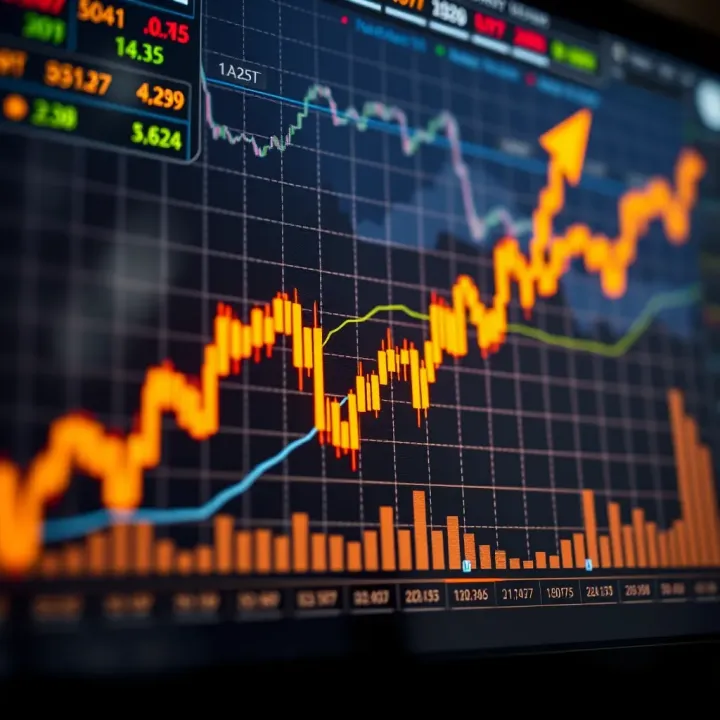
Technical analysis remains a go-to method for many Indian traders, especially those active in equity and commodity markets. It involves studying price charts, volume trends, and various indicators like moving averages and Relative Strength Index (RSI) to predict future price movements. For example, traders on the National Stock Exchange (NSE) frequently use the Bollinger Bands indicator to gauge volatility and spot reversal points. Such techniques help in timing entries and exits without relying solely on news or fundamentals.
Candlestick patterns—an aspect of Japanese charting—are also popular. Patterns like Doji, Hammer, and Engulfing provide clues about market sentiment, assisting traders in making quick decisions during volatile sessions. However, successful application calls for continuous practice and validation with historical data, especially in India’s unique market environment that is influenced by factors like monsoon, policy changes, and global trends.
While technical analysis suits short-term trading, fundamental analysis underpins long-term investment strategies. Top Indian traders examine a company’s financial health, sectoral performance, management efficiency, and macroeconomic indicators such as GDP growth and inflation rates. For instance, Ashok Leyland’s share performance often correlates with infrastructural spending and monsoon health, vital for India's commercial vehicle sector.
Using quarterly earnings reports and SEBI filings allows traders to assess a firm’s intrinsic value beyond surface-level price data. Additionally, industry trends and government policy shifts—such as incentives for renewable energy or automation—are carefully factored in. This approach helps traders avoid speculative traps and identify sustainable growth stories amid market noise.
Effective risk management separates profitable traders from the rest, particularly in India’s frequently volatile markets. Leading traders typically limit individual trade exposure to a small percentage of their total capital, often 1-2%. Stop-loss orders are widely used to cap potential losses, allowing traders to exit positions automatically if prices move unfavourably.
Diversification across sectors and instruments helps reduce impact from sudden sectoral shocks. For example, mixing investments in IT, FMCG, and pharmaceuticals can balance risks during sector-specific downturns. Moreover, some traders use trailing stops to protect profits while allowing room for upward price movement during favourable trends.
Consistently applying these strategies requires discipline and adapting to India’s dynamic market environment. Traders who blend sound analysis with rigorous risk controls tend to navigate uncertainties more confidently, translating into long-term gains.
In essence, India's top traders rely on a mix of technical and fundamental insights combined with disciplined risk management. Awareness of these core strategies equips aspiring traders to craft tailored approaches that align with their goals and the Indian market context.
Successful traders in India often share distinct characteristics that shape their approach and results in the volatile trading environment here. Understanding these traits provides practical lessons for anyone keen to sharpen their trading skills and manage risks effectively.
Discipline is the backbone of trading success. Indian markets are unpredictable, influenced by domestic policies, global events, and investor sentiment. Traders who keep rigid adherence to their trading plans and exit strategies tend to avoid costly emotional decisions. Consider the example of HDFC Securities’ client success stories where traders avoid panic selling during market dips. Emotional control means recognising fear or greed and not letting these feelings dictate trades. Many top traders use stop-loss orders to prevent emotions from turning into heavy losses, proving discipline isn’t just about patience but also about systematising risk management.
The Indian market landscape changes rapidly, with new regulations, market segments, and technology updates emerging frequently. Traders who invest time in continuous learning adjust faster and refine their strategies accordingly. For instance, adapting to SEBI’s new margin rules or the rise of algorithmic trading requires staying informed through trusted sources like NSE India and SEBI. Taking courses on technical indicators or fundamental analysis keeps a trader’s skills sharp. Those who adapt to market feedback rather than clinging to outdated methods generally hold an edge over others. This mindset separates novices from professionals.
Top Indian traders never ignore the power of technology and data. They use advanced tools—from charting software like Zerodha’s Kite platform to real-time market news from Moneycontrol or Economic Times—to analyse trends and make informed decisions quickly. Algorithmic trading and automated alerts help many traders execute strategies without delay. Besides tools, insights from expert analyses and broker recommendations often guide their decisions. By blending technology with practical knowledge, successful traders stay ahead, especially during high-volatility phases like budget announcements or RBI policy updates.
Balancing discipline, ongoing learning, and smart use of technology forms the triad that shapes the most effective traders in India today.
This blend allows traders not only to survive but thrive in a complex market, managing risks prudently while spotting opportunities others miss.
Aspiring traders in India need practical guidance to navigate the country's complex market environment. Learning lessons from experienced traders and following solid tips can help reduce costly mistakes and speed up the learning curve. Unlike mere theory, actionable advice focused on Indian market conditions makes the difference between fizzling out and building a successful trading journey.
Creating a personal trading plan is the backbone of disciplined investing. It clarifies your financial goals, time frame, risk appetite, and preferred instruments—whether stocks, derivatives, or commodities. For example, a trader focused on short-term gains in the Nifty50 index might set strict entry and exit rules backed by technical signals, whereas a long-term investor in bluechip stocks may rely more on quarterly earnings and dividend patterns.
A trading plan helps you avoid emotional decisions during volatile sessions on exchanges like NSE or BSE. It details your position sizing, risk management (stop-loss), and review cadence. Without this roadmap, even smart traders can fall prey to impulsive moves or herd mentality during market swings.
India's financial markets work under a set of rules laid down by regulators such as the Securities and Exchange Board of India (SEBI) and the Reserve Bank of India (RBI). A good trader must understand how these frameworks affect liquidity, trading hours, settlement cycles, margin requirements, and trading restrictions.
For instance, knowing the implications of the circuit filter system—which halts trading if prices move sharply—can prevent unnecessary panic selling. Also, tracking changes in India’s tax laws on capital gains or Securities Transaction Tax (STT) ensures compliance and avoids surprises during ITR (Income Tax Return) filing.
Studying market behaviour during fiscal or monetary policy announcements helps anticipat e volatility spikes. Traders should keep tabs on global factors that influence the rupee and Sensex movements, such as crude oil prices or foreign investment flows.
Access to reliable tools makes trading more efficient. Platforms like Zerodha Kite, Upstox Pro, and Angel Broking offer real-time data, charting features, and order placement tailored for Indian markets. Many also provide access to the derivatives segment and offer margin funding options.
Beyond broker platforms, tools like Moneycontrol, NSE India website, and BSE India portal provide free stock reports, corporate disclosures, and historical data. Using these tools, traders can spot trends, check analyst recommendations, and track corporate actions.
Mobile UPI apps such as PhonePe or Google Pay facilitate easy fund transfers for quick margin payments during volatile sessions. Additionally, learning to use algorithmic strategies or APIs provided by these platforms can help technically savvy traders automate parts of their trades.
Clear lessons, structured plans, understanding regulations, and smart use of available platforms equip traders in India for the ups and downs of market investing. Aspiring traders who incorporate these elements improve their chances to trade consistently and confidently.
Indian traders encounter a unique set of challenges shaped by market dynamics, regulatory frameworks, and information flow. Recognising these hurdles and managing them effectively can make the difference between consistent profits and frequent losses. In this section, we focus on three major challenges: market volatility and emotional stress, information overload and misinformation, and navigating regulatory and tax requirements.
The Indian stock market is known for its sharp swings driven by domestic factors like corporate earnings, government policies, and global conditions such as crude oil prices or geopolitical tensions. Such fluctuations can trigger emotional responses like fear or greed, often clouding judgement. For example, during the 2020 pandemic crash, many traders panicked and exited positions at heavy losses, missing the subsequent recovery.
To manage this, traders must prioritise emotional control and maintain discipline. One useful approach is setting predefined stop-loss orders to limit damage. Additionally, practising scenarios with simulated trading accounts helps build confidence without risking capital. Traders should also maintain realistic expectations—profits aren’t guaranteed every day, and accepting small losses is part of the process.
Emotional resilience isn’t just a bonus—it’s a necessity for Indian traders facing unpredictable market swings.
Digital platforms and social media have flooded traders with news, tips, and opinions. However, not all information carries equal weight. Indian traders often face the challenge of sifting credible updates from rumours spreading on WhatsApp groups or unverified sources.
Avoiding misinformation involves two key steps. First, rely on trusted sources like NSE India, BSE India, or reputed financial news outlets such as Economic Times and Business Standard. Second, avoid impulsive decisions based on hot tips without backtesting or validating the strategy. Using official announcements from SEBI or company disclosures through stock exchanges can boost clarity.
Regularly revising your information sources and cross-checking facts keeps you ahead of the curve and prevents costly mistakes.
India’s financial regulations and tax system can be complex and evolving. Traders must stay updated with SEBI guidelines, Goods and Services Tax (GST) applicable to market transactions, and changes in capital gains tax slabs.
For example, intraday traders face different tax implications than long-term investors. Failing to account for Securities Transaction Tax (STT) or improperly filing Income Tax Returns (ITR) can lead to penalties or audits. Utilizing tax-filing software tailored for traders or consulting a qualified Chartered Accountant (CA) helps simplify compliance.
Besides taxes, traders should familiarise themselves with rules around insider trading and margin trading to avoid regulatory pitfalls. Participating in regulatory webinars organised by SEBI or NSE can improve understanding.
By recognising these challenges head-on, Indian traders can sharpen their strategies and avoid common pitfalls. Staying emotionally balanced, verifying information rigorously, and keeping abreast of rules will serve as a strong foundation for sustained success in trading.
Discover the trading secrets of the world's wealthiest traders 💰 Learn about their unique strategies, risks, and success stories shaping global markets 🌍
💹 Discover the backgrounds, trading tactics, and risk strategies of India's richest forex traders. Learn their secrets to grow and protect wealth in currency markets.
Discover how India's richest forex traders made their mark 💹, their unique strategies, market challenges, and tips for new investors navigating forex trading in India 🇮🇳.
📈 Discover the best time for forex trading in India by understanding market sessions, key currency pair movements, overlaps, and tips to boost your trading success.
Based on 5 reviews