

Choosing a Reliable Real Trading App in India
📱Looking for a trustworthy real trading app in India? Discover how to choose the best platform, key features, risks, and tips for safe investing.
Edited By
James Harrington
Choosing a trading app that fits your needs is critical for successful investing in India. Many apps promise easy trading, but not every platform delivers a smooth experience. An ideal app should combine user-friendly design with powerful tools to help you make informed decisions without too much hassle.
When picking an app, consider the types of assets you want to trade, like stocks, mutual funds, or commodities. Each app may cater differently to these instruments. For instance, Zerodha Kite is popular for its simple interface and wide market access, while Groww stands out with its focus on mutual funds along with equities.

Security ranks high on the list. Since these apps handle sensitive financial information and transactions, look for features like two-factor authentication (2FA), encryption standards, and regular security audits. Apps backed by established brokers or regulated by the Securities and Exchange Board of India (SEBI) often provide extra assurance.
Another key aspect is ease of use. A minimal learning curve is especially important for new traders. Features such as clear navigation, real-time alerts, and quick order execution can make a significant difference. On the other hand, experienced investors may prefer apps offering advanced charts, technical indicators, and comprehensive reports.
It's wise to test several apps using their demo or trial versions before committing. This helps you gauge which platform feels intuitive and suits your trading style.
Transaction costs and hidden fees should not be overlooked. Some apps offer zero brokerage on equity delivery trades but charge for intraday or F&O trades. Being aware of these cost structures upfront prevents surprises later.
Finally, customer support quality can impact your trading experience, especially if issues arise during volatile market conditions. Responsive support with multiple touchpoints (phone, chat, email) is a valuable plus.
By keeping these factors in mind—asset variety, security, usability, fees, and support—you can find an easy trading app that truly fits your investment goals in India.
Choosing the right trading app starts with understanding the features that matter the most. A good app must combine ease of use with powerful functionality to suit both beginners and experienced investors. This section breaks down the essentials you should consider before downloading or investing through any trading platform.
A straightforward layout makes a world of difference, especially when you are new to trading. Apps like Groww and Zerodha Kite focus on minimal clutter and clear icons, helping users avoid confusion. Such simplicity allows investors to complete trades or check portfolios without feeling overwhelmed.
Being able to reach buy, sell, and portfolio pages with just a tap saves precious time during volatile market movements. Apps offering shortcuts or swipe gestures ensure you don’t have to drill down through menus. For example, Upstox’s home screen puts watchlists and order placements front and centre, which suits traders aiming for fast execution.
Every trader has unique preferences; some track derivatives, while others focus on mutual funds. A flexible dashboard lets you pin the most relevant markets or stocks, filter news feeds, and arrange widgets to match your priorities. This personalisation means you spend less time searching and more time acting.
An app that offers a wide variety of asset classes helps diversify your portfolio easily. For example, Groww lets users invest in stocks, mutual funds, Exchange-Traded Funds (ETFs), and even IPOs from the same platform, reducing the hassle of managing multiple apps.
If your strategy includes gold, silver, crude oil, or forex pairs like USD/INR, check if the app supports these. Platforms such as ICICI Direct offer commodity and currency segments alongside equities, making them suitable for investors keen on spreading risk across asset types.
India's market relies on key exchanges like the National Stock Exchange (NSE) and Bombay Stock Exchange (BSE). Some apps also connect with international markets or smaller regional exchanges. Choosing an app that supports multiple exchanges widens opportunities and helps track broader market movements.

Markets can swing within seconds. An app that processes your orders instantly avoids potential losses due to delays. Zerodha’s technology, for example, is praised for quick order placement, which is crucial for intraday traders.
Unexpected technical outages during trading hours can cost dearly. Reliable apps maintain server uptime above 99%, seldom causing disruptions. Always check user reviews and uptime records before settling on a platform.
Watching live price movements and interactive charts helps you make informed decisions. Delayed data can mislead, especially in fast-paced segments like derivatives. Apps with real-time feeds, like Angel Broking’s mobile platform, offer an edge in timely trade decisions.
Choosing an easy trading app is as much about its look and feel as its technical robustness. The right mix of user-friendly design, wide asset coverage, and reliable transaction speed sets the foundation for a successful investing journey.
Security and compliance form the backbone of any reliable trading app. For Indian investors, these factors assure that their personal data and financial transactions are protected, and the platform operates within the legal framework set by regulators. Choosing an app that prioritises security measures and follows compliance guidelines helps build trust and reduces the risk of fraud or data breaches.
Encryption standards used: Encryption is like locking your trading data inside a strong safe, only accessible to authorised users. Most credible trading apps employ advanced encryption protocols such as AES (Advanced Encryption Standard) with 256-bit keys. This means your sensitive details, including bank account numbers and transaction records, are converted into unreadable code during transmission. For instance, Zerodha and Groww use encryption to secure data during login and order placement, preventing hackers from intercepting it.
Two-factor authentication (2FA): This adds an extra layer of protection by requiring not just a password but a second verification step, often through one-time passwords (OTP) sent to your mobile or email. In practical terms, even if someone steals your password, they cannot access your account without the second factor. Many Indian apps like Upstox and Angel Broking enable 2FA, ensuring your account remains safe from unauthorised logins.
Safe storage of user credentials: Trustworthy trading apps store passwords and login details using secure hashing algorithms rather than plain text. This means your credentials are neither stored as they are nor easily reversible. The app only recognises the hash value to verify identity. It protects you if the company’s servers are attacked. Additionally, many platforms use secure cloud services with strong physical and digital safeguards to prevent data leaks.
SEBI registration and compliance: The Securities and Exchange Board of India (SEBI) regulates and registers brokers and trading platforms. An app linked to a SEBI-registered broker guarantees operating under Indian law, adhering to investor protection norms, and following disclosure requirements. For example, ICICI Direct operates under SEBI’s watchful eye. Using such apps reduces the risk of running into illegal or fraudulent trading platforms.
Partnership with recognised brokers: Many trading apps work in collaboration with established brokers to manage your trades on stock exchanges like NSE and BSE. When an app partners with a reputed broker, your orders are executed through a secure, recognised channel, adding credibility and transparency. For instance, 5Paisa collaborates with its parent brokerage, ensuring regulatory backing and smooth transaction processing.
Transparent fee structure: Hidden charges can eat into your profits, so a reliable trading app openly displays all fees — brokerage, subscription costs, transaction charges, and GST. This clarity prevents unexpected deductions and helps you plan costs wisely. Groww and Upstox, for instance, clearly mention their fee models on their platforms, making it easier for users to compare and choose.
When picking a trading app, always check for SEBI registration, secure login protocols, and clear fee disclosures. These factors together protect your investments and personal information while ensuring compliance with Indian financial regulations.
By focusing on security and compliance, you not only safeguard your money but also enjoy a smoother trading experience with fewer worries about data breaches or regulatory issues.
In India’s bustling investing scene, picking an easy trading app that fits your style isn’t just about features. It’s about how those features make your trading smoother, faster, and safer. Popular apps often come with benefits backed by their large user base and trusted broker partnerships, so they tend to be more reliable and regularly updated to suit Indian market needs.
Zerodha Kite’s simplicity makes it a favourite among new investors. The app’s clean, minimalistic interface avoids overwhelming beginners with clutter. For example, the order placement process is straightforward, helping freshers buy or sell stocks without fumbling through too many options. Zerodha also offers helpful tutorials and quick summaries that guide users, so even someone who’s just passed out from college can start trading confidently.
Groww’s intuitive design is something that truly stands out for beginners. The app organises information in bite-sized, easy-to-understand cards rather than dense lists. Plus, Groww supports a wide range of investment types, including mutual funds and stocks, allowing users to explore at their own pace. Its simple navigation and quick account opening process help reduce the friction that often deters new investors from using trading platforms.
Upstox’s accessible interface blends beginner-friendliness with essential tools. While it keeps the core design straightforward, it doesn’t skimp on features like watchlists or easy fund transfers. It also supports multiple regional languages, which helps reach investors outside metro cities. The app's balance between usability and features means a newbie can grow into a more advanced trader without switching platforms.
Angel Broking’s research tools are particularly valuable for investors who want to dive deeper into market analysis. The app offers detailed stock reports, expert calls, and technical charts that go beyond basic price tracking. Users looking to fine-tune their strategies can access real-time data and recommendations, making it easier to back trades with informed decisions.
5Paisa’s analytics and charts cater to seasoned traders who rely heavily on technical analysis. The app provides advanced charting tools with multiple indicators and patterns, allowing users to spot trends and entry points quickly. It also offers competitive brokerage fees, which is a big plus for frequent traders managing larger portfolios.
ICICI Direct’s integrated services bring everything under one roof, perfect for investors wanting convenience alongside depth. It connects trading, demat accounts, mutual fund investments, and insurance, simplifying portfolio management. The app’s research reports and expert advice are backed by ICICI’s long-standing reputation, making it a solid choice for users wanting both broad coverage and dependable service.
Choosing the right app depends on your experience level and trading needs. Beginners should prioritise ease of use, while those with more experience may find value in advanced research and integrated services.
By understanding these popular options, Indian investors can pick an app that suits their trading style and helps them navigate markets confidently.
A smooth trading experience hinges on more than just picking the right app; small habits and technical checks can save you from missed opportunities or unnecessary stress. This section focuses on practical tips that keep your trading seamless and responsive. Paying attention to internet connectivity, timely alerts, and regular app updates ensures you stay ahead in the market without glitches.
Use reliable networks: A trading app depends heavily on a stable internet connection. Using dependable network providers like Jio, Airtel, or Vi can reduce the chances of sudden disconnects during crucial trading hours. For instance, traders in metro cities often prefer fibre optic broadband or mobile 4G/5G services known for consistent speeds. Over-relying on spotty Wi-Fi or moving between different networks can cause delays in order execution, affecting your trades.
Test app speed before market hours: Checking how fast your app loads and processes orders before the trading day starts helps avoid surprises later. Try logging in and placing dummy orders during pre-market hours to confirm responsiveness. This is especially useful during volatile days like budget announcements or Nifty rebalancing when speed is money. If you notice lag or slow data refresh, consider switching to a different network or restarting your device.
Price alerts on stocks of interest: Setting customised alerts on specific stocks or indices helps you act fast when prices hit your target. For example, if you are tracking Reliance Industries and want to buy once it falls to ₹2,400, a price alert on your app notifies you immediately. This reduces the need to keep refreshing your portfolio, allowing timely decisions even when you are away from your mobile.
News and market updates: Market sentiments can change on breaking news, government policies, or global events. Enabling notifications for news and updates from reputed agencies in your app provides quick heads-up on trends. Whether it's RBI policy changes or sudden crude oil price dips, prompt alerts help you adjust positions promptly.
Regularly update app versions: Developers frequently release app updates to fix bugs, improve security, and add features. Ignoring these updates can leave you vulnerable to glitches or slow performance. For example, the latest Groww or Zerodha Kite updates often bring enhanced charting tools or faster order placement. Make it a habit to update apps during non-trading hours to avoid interruptions.
Review portfolio performance frequently: Beyond using the app to trade, consistently reviewing your portfolio helps in tracking gains, losses, and asset allocation. Many apps offer built-in analytics to check diversified holdings or check which stocks drag performance. Frequent reviews, say weekly or monthly, enable course correction rather than waiting for quarterly surprises.
Staying proactive with internet checks, alerts, and app management turns your trading app from a simple tool into a reliable partner in your investment journey. Simple steps like these can prevent losses caused by delays or missed information.
By following these tips, you ensure that your trading app provides an efficient, smooth experience that supports well-informed decisions with minimal hassle.
Choosing an easy trading app comes with its own set of challenges that can affect your investment experience and returns. Understanding these challenges helps you navigate them effectively, ensuring you don't face unexpected costs or inconvenience. This section focuses on common hurdles like hidden charges and technical glitches, and offers practical ways to avoid them, making your trading journey smoother.
Checking brokerage and subscription fees: Brokerage fees are the charges your broker takes for every buy or sell order you place. Some apps advertise zero brokerage but might have subscription fees or premium packages that cost extra. For example, a novice investor might sign up for an app like 5Paisa thinking it’s free, only to later realise that advanced features require a monthly subscription. It’s wise to carefully compare total costs, not just brokerages, across the apps you consider.
Understanding transaction charges: Besides brokerage, transaction charges like Securities Transaction Tax (STT), GST on brokerage, stamp duty, and exchange fees add up. For instance, when trading on the National Stock Exchange (NSE), STT is compulsory and billed per transaction. These often get overlooked but can impact overall profitability, especially for frequent traders. Ensure your chosen app clearly lists these charges in their fee structure, so you know the full cost upfront and avoid surprises.
Keeping backup devices ready: Technical issues such as app crashes or slow loading times during market hours can cause missed opportunities or failed orders. Experienced traders often keep a second device or use a web platform alongside the mobile app. Say you rely on your phone’s internet, and it suddenly drops during a critical trade—having a laptop connected to a stable broadband as backup can be a lifesaver.
Customer support responsiveness: Quick and effective customer service plays a big role during technical problems or urgent queries. Apps like Zerodha and Angel Broking invest in responsive support teams reachable via phone, chat, or email. When choosing an app, test their support before committing, as delayed responses can lead to losses or frustration, especially when resolving payment or order issues.
Being aware of hidden costs and preparing for technical hiccups helps you trade confidently without unwanted shocks. Keeping this foresight in mind ultimately protects your investments and time.
Managing these common challenges well ensures your trading app experience stays smooth and focused on growing your portfolio, not handling avoidable surprises.
📱Looking for a trustworthy real trading app in India? Discover how to choose the best platform, key features, risks, and tips for safe investing.

Explore the Qxbroker.com app’s features, security, and tools designed for Indian traders 📈. Learn how it stacks up against other platforms and helps refine your trading strategy.
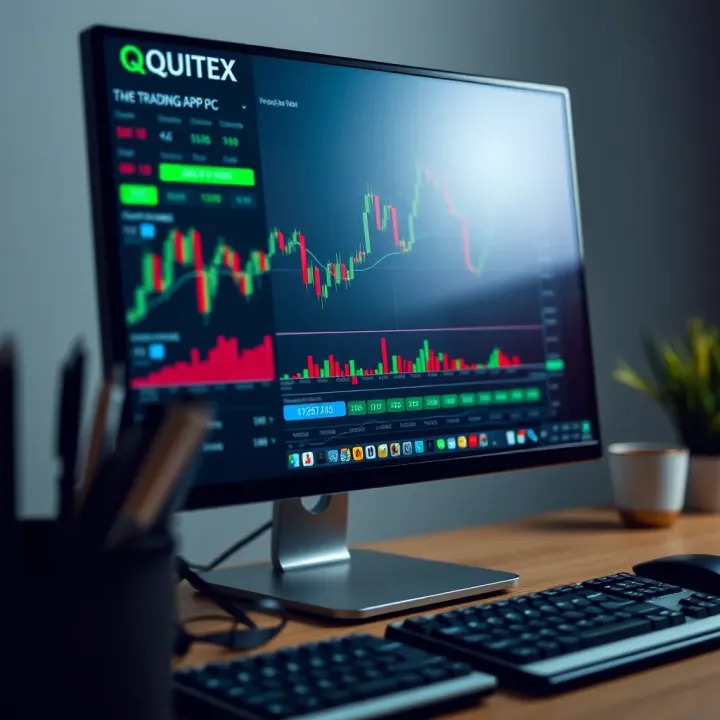
📈 Learn how to download & install Quotex Trading App on your PC with step-by-step guidance, system tips, security advice, & troubleshooting for Indian users.

Explore Quotex trading in India 🇮🇳 with this detailed guide 📊 covering platform setup, asset types, risk management, strategies, and regulatory tips ✅
Based on 13 reviews