

Choosing a Reliable Real Trading App in India
📱Looking for a trustworthy real trading app in India? Discover how to choose the best platform, key features, risks, and tips for safe investing.
Edited By
Emily Carter
Trading apps have changed how many Indians engage with the stock markets today. What once involved brokers and long paperwork now fits comfortably in the palm of your hand. As these apps grow in popularity, choosing the right one can make a significant difference in your trading experience and success.

Not all trading apps serve the same purpose or offer the same features. Some focus on simplicity, making them great for beginners, while others provide advanced tools aimed at experienced traders. A wrong choice could lead to frustration or missed opportunities, especially when speed and reliability matter a lot in trading.
Here are the main aspects you should evaluate before settling on a trading app:
User Interface and Experience: The app should be easy to navigate without slowing down when you want to place a quick trade. Look for apps with intuitive layouts and responsive design.
Features and Tools: Check if the app offers real-time market data, charts, technical indicators, and news feeds. Some popular platforms also include algorithmic trading and backtesting options.
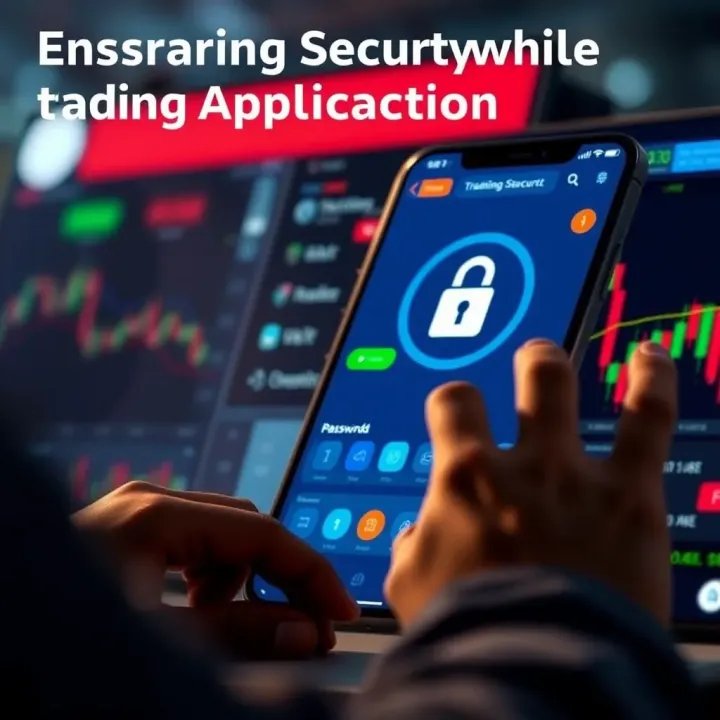
Security Measures: Given the sensitive nature of financial transactions, strong encryption, two-factor authentication (2FA), and regulatory compliance are essential.
Costs Involved: Brokerage fees, account maintenance charges, and hidden costs can vary widely. Apps like Zerodha and Upstox offer competitive pricing structures worth comparing.
Customer Support: Efficient and prompt customer service can help solve issues swiftly, especially during market hours when every minute counts.
Choosing a secure and reliable trading app protects your investments and provides peace of mind.
Many Indian traders prefer apps such as Zerodha’s Kite, Upstox, 5Paisa, Angel Broking, and Groww. Each comes with its strengths and weaknesses. For instance, Zerodha is known for a robust trading platform with minimal charges, whereas Groww combines mutual funds and stock trading with a beginner-friendly interface.
Selecting the right trading app means matching your trading style, frequency, and budget to the app’s capabilities. Taking time to assess these features helps build a smoother trading journey and better control over your investments.
This article will walk you through the tools, benefits, and tips to make an informed decision on trading apps in India.
Trading apps have become fundamental tools for investors and traders in India. They simplify access to the stock markets, letting users buy or sell shares, track portfolios, and research investments all from their mobile devices. Understanding these apps helps traders choose one that fits their style, whether they seek quick trades during market hours or long-term investment tracking.
A trading app primarily enables users to execute buy and sell orders in financial markets like the NSE (National Stock Exchange) and BSE (Bombay Stock Exchange). Beyond simple transactions, these apps often provide portfolio tracking, watchlists, and price alerts. For example, Zerodha Kite offers a clean interface where users can place orders, check margin available, and view their holdings. Such capabilities ensure you can manage investments on the go, avoiding the need to stay glued to a desktop.
Trading apps in India typically support multiple segments: equities (stocks), derivatives (futures and options), mutual funds, and sometimes commodities. A platform like Upstox Pro allows active traders to work with intraday equity, delivery trades, and even commodities like gold and oil. The choice here depends on your trading style—some prefer equities for long-term gains, others use derivatives to speculate with leverage. Access to various instruments directly through the app widens the scope for diversifying your portfolio.
Trading apps bring the market to your fingertips 24/7. You can check quotes or execute trades during market hours, even from a remote area in a tier-2 city using just your mobile internet. This convenience is especially helpful during volatile sessions where timing is crucial. An example is how traders during sudden market swings on the Nifty 50 can quickly respond to news events without waiting to reach their office computer.
Modern trading apps provide real-time data updates, crucial for timely decisions. Most offer live streaming of market prices, charts, and depth of market to help assess stock liquidity. Quick order execution reduces slippage—where the trade happens at a different price than expected—which can cost money in volatile markets. Apps like Angel Broking provide instant execution and ensure you make the most of market movements.
Using trading apps often reduces brokerage fees compared to traditional brokers. Many platforms in India follow a flat-fee or minimal commission model per trade, such as 20 rupees per order regardless of size. This helps investors save significantly, especially if they trade frequently or in small volumes. Additionally, some apps offer zero brokerage on equity delivery trades encouraging long-term investors to buy and hold shares without worrying about costs eating into returns.
Choosing the right trading app depends on understanding its basic functions, supported asset classes, and how it benefits your trading habits with convenience, real-time data, and cost efficiency. These factors help you trade wisely in the dynamic Indian market.
Choosing the right trading app hinges on several critical features that directly affect your trading efficiency, comfort, and results. These features help you react swiftly to market movements, make informed decisions, and execute orders accurately. Beyond basic functionality, consider how the app aligns with your trading style and goals.
Ease of navigation plays a big role in ensuring you don't miss out on opportunities due to complicated app design. A cluttered or confusing interface slows down order placement, especially during volatile market swings. For instance, apps like Zerodha Kite offer straightforward menus and quick access to watchlists and order history, making it easier to act fast.
Customisation options allow you to tailor the app to your preferences—be it rearranging dashboards, setting up alerts, or choosing between light and dark modes. This personal touch improves usability and reduces errors. Traders who watch multiple scripts benefit from custom layouts that show crucial information at a glance, saving precious seconds.
Having live quotes and charts on your fingertips is essential for making timely decisions. Real-time data feeds with minimal lag help you track price changes and volume instantly. Apps like Upstox Pro and Angel Broking provide interactive charts with zoom and scroll features, so you can study price patterns without juggling between screens.
Technical indicators and research reports add depth to your analysis. Tools like moving averages, RSI (Relative Strength Index), and MACD (Moving Average Convergence Divergence) guide you through market trends and potential reversals. Moreover, some apps integrate expert research summaries and market news, helping you keep tabs on sector movements or corporate announcements without switching apps.
The types of orders supported by your trading app impact how flexible your trades can be. Beyond basic market and limit orders, check if the app allows stop-loss, cover orders, and bracket orders. These advanced orders help manage risks and automate exits, which is vital during sudden market shifts.
Also, consider the availability of various asset classes such as equity shares, derivatives (futures and options), mutual funds, and IPOs. An app like Groww, for example, offers seamless access to mutual funds alongside equities, useful for investors who want a diversified portfolio from a single platform. Having multiple asset options in one app saves time and streamlines portfolio management.
A trading app that meets your specific needs and trading style enables more confident and efficient investing, reducing stress and boosting potential returns.
Selecting a trading app involves more than fancy features; it requires careful attention to these core aspects that directly impact your everyday trading experience.
Security and regulatory compliance form the backbone of trustworthy trading apps in India. These apps handle sensitive financial data and large money flows, so safeguarding user information and adhering to finance rules is non-negotiable. Without solid security measures and regulatory approval, investors risk data breaches, fraud, or legal complications that can quickly erode confidence in the platform.
Encryption helps keep your data safe by converting your information into unreadable code during transmission and storage. Modern trading apps use end-to-end encryption to ensure that your trades, personal details, and payment information cannot be intercepted by hackers. For example, top apps like Zerodha Kite and Angel Broking use Secure Sockets Layer (SSL) technology, which is standard in Indian fintech platforms. Moreover, secure login methods—such as two-factor authentication (2FA) and biometric verification—add extra layers of protection, making it harder for unauthorized users to access your account.
Fraud prevention features are critical in a country where digital scams are on the rise. Trading apps employ real-time monitoring to detect unusual login attempts or suspicious trades. Many apps alert you instantly through SMS or app notifications in case of abnormal activity, helping you act fast. Besides, apps often limit transactions until identity verification is complete, reducing the chances of fake or fraudulent trades. For instance, Upstox Pro flags multiple failed login attempts and sometimes freezes the account temporarily until user identity is verified to prevent hacking.
The Securities and Exchange Board of India (SEBI) regulates trading activities to protect investors. Legitimate trading apps must have SEBI's approval, which ensures they meet security, transparency, and operational standards. Using an app without SEBI registration is risky since such platforms might operate without oversight, increasing the chance of malpractice or fund mismanagement. For instance, most popular platforms like Groww, 5paisa, and Angel Broking all maintain proper SEBI registration, reassuring users that they operate under legal frameworks.
Know Your Customer (KYC) norms are mandatory to verify user identity and prevent money laundering. Many trading apps simplify this process by integrating with DigiLocker, an Indian government service for digital document storage. This means you can upload Aadhaar, PAN card, and other certificates digitally, speeding up account verification without needing physical copies. Digitally linking your KYC through these services avoids repeated paperwork and reduces errors. Plus, it ensures your sensitive documents remain secure within government-approved platforms rather than scattered across various apps.
Always check that your chosen trading app uses robust security features and complies with SEBI regulations. This combination protects your investments and keeps your private data secure against increasing cyber threats.
By focusing on these key security and regulatory aspects, you make sure your trading experience in India remains safe and hassle-free. This trust enables you to concentrate on making informed investment decisions instead of worrying about potential data leaks or regulatory issues.
Selecting a trading app suited to your needs is essential for successful investing or trading in India. Popular trading apps are widely used because they combine usability with robust features tailored for Indian markets. These apps offer a mix of real-time data, varied trading options, and regulatory compliance, making them practical choices for investors and traders across experience levels.
Zerodha Kite is one of India's most popular trading platforms, favoured for its clean design and fast execution. It supports equity, derivatives, commodities, and currency trading, with intuitive charts and numerous technical indicators. For investors who want low brokerage costs—Zerodha charges flat fees suited to intraday traders and long-term investors alike—it’s an excellent pick. The app’s integration with Coin also allows mutual fund investments seamlessly.
Upstox Pro caters well to active traders by offering a highly customisable interface and advanced charting tools. It supports multiple order types, including bracket and cover orders, which appeal to traders managing risk actively. The app shines with fast trade execution and competitive brokerage, making it a preferred choice for those who want detailed technical analysis and live market insights on the go.
Angel Broking balances ease of use and powerful features. The Angel Broking app comes with voice-assisted commands and AI-based advisory services, helping beginners make informed decisions. It’s suitable for investors keen on comprehensive research reports and a smoother onboarding process, including simplified KYC. Angel Broking also offers decent margin funding options for those looking to leverage.
5paisa offers one of the most affordable brokerage plans with options tailored for casual and serious investors. Its simple interface combined with tools for portfolio tracking and automated investing appeals to users who want straightforward investing without deep technical clutter. 5paisa also provides mutual funds and insurance products, making it a broader financial app.
Groww originally a mutual funds platform, has evolved into a full-fledged trading app supporting stocks and ETFs. Its clean, user-friendly design is especially appealing to beginners and long-term investors who prefer easy navigation and educational resources alongside trading features. Groww’s integration with India Stack for e-KYC and payment methods adds to its convenience.
For beginners, simplicity and educational support matter a lot. Apps like Groww and Angel Broking offer intuitive interfaces and advisory services which help new investors understand market basics and build confidence. These platforms reduce entry barriers with clear instructions and easy KYC processes.
For active traders, speed, technical analysis features, and multiple order types are essential. Upstox Pro and Zerodha Kite fit this category well by providing advanced charting tools, rapid execution, and flexible order management to handle the demanding pace of intraday and swing trading efficiently.
For long-term investors, emphasis lies on portfolio management, diversification options, and low costs. Groww’s mutual funds focus and Zerodha’s Coin platform for SIPs and long-term equities provide a structured investing environment without unnecessary distractions. Apps that integrate research and solid customer support work better here, helping investors stay engaged during market fluctuations.
Picking the right trading app depends on how well it aligns with your trading habits and comfort with technology. Balancing features with ease of use ensures you don’t miss out on opportunities or get overwhelmed by complex tools.
Mastering the use of trading apps requires more than just installing the app. You need to set up your account properly and understand how to manage trading risks. These practical steps help avoid common pitfalls and enhance your trading experience.
KYC requirements and linking bank accounts are mandatory steps before you can begin trading in India. The Securities and Exchange Board of India (SEBI) mandates Know Your Customer (KYC) verification to prevent fraud and ensure authenticity. Most apps integrate with DigiLocker or Aadhaar to verify KYC digitally, making the process quicker. Linking a bank account is equally important for smooth fund transfers, whether for margin payments or receiving proceeds from sales. Without linking an account, you cannot fund your trading or withdraw money, which can block your trading activities.
Understanding margin and leverage helps you make informed decisions regarding your trades. Margin is the amount you need to keep as collateral to take a position, while leverage allows you to trade with borrowed funds, amplifying potential gains and losses. For example, if your broker offers 5x leverage on equity intraday trading, an investment of ₹20,000 lets you control ₹1,00,000 worth of shares. While this can boost profits, it also raises the stakes. Misusing leverage can wipe out your capital quickly, so it is essential to understand the limits your app allows and apply margin responsibly.
Regularly updating the app is vital to avoid glitches during crucial market moments. Developers release updates to fix bugs, improve security, and add new features. Running an outdated app can cause order failures or slow data updates. For instance, Zerodha Kite and Upstox often advise users to update their apps before market openings to ensure seamless performance.
Monitoring network connectivity is another practical step often overlooked. Trading apps rely on stable internet connections to execute orders instantly. A weak or intermittent connection can lead to delays or failures in order placement, sometimes causing missed opportunities or unwanted losses. Traders in tier-2 and tier-3 cities should ensure their mobile data or broadband is reliable, especially during volatile sessions.
Using stop-loss orders effectively helps limit potential losses. A stop-loss automatically sells the security when its price falls to a pre-set level, preventing further downside. For example, active traders using Angel Broking or Groww apps can set stop-loss orders while placing trades to manage risk without constant monitoring. This tool is especially useful during sudden market swings, protecting investors from severe losses.
Practical management of your trading app accounts, combined with disciplined trading practices such as updating the app, monitoring connectivity, and using stop-loss orders, can significantly improve your chances of success and reduce avoidable risks.
By following these tips carefully, you can fully leverage the benefits of trading apps in India and keep your investments safer and more effective.
📱Looking for a trustworthy real trading app in India? Discover how to choose the best platform, key features, risks, and tips for safe investing.

Explore the Qxbroker.com app’s features, security, and tools designed for Indian traders 📈. Learn how it stacks up against other platforms and helps refine your trading strategy.
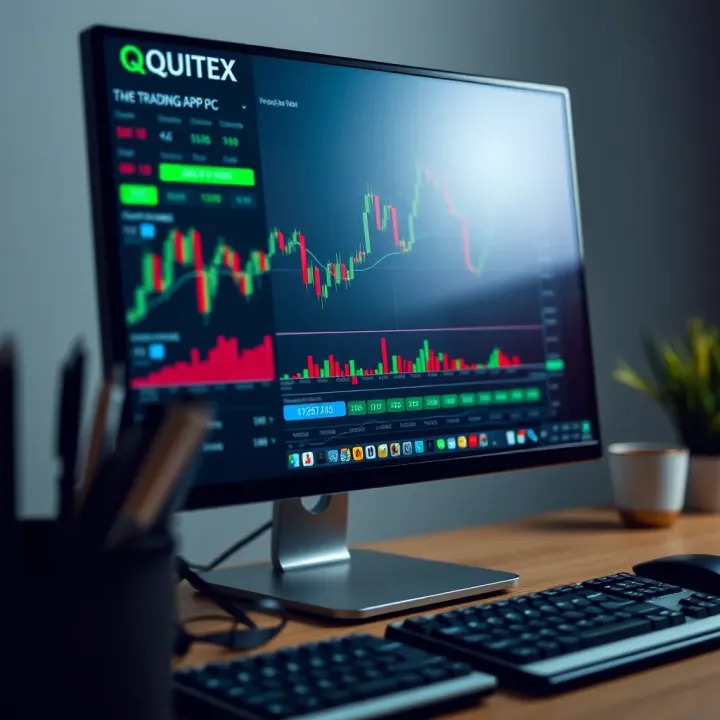
📈 Learn how to download & install Quotex Trading App on your PC with step-by-step guidance, system tips, security advice, & troubleshooting for Indian users.

Explore Quotex trading in India 🇮🇳 with this detailed guide 📊 covering platform setup, asset types, risk management, strategies, and regulatory tips ✅
Based on 10 reviews