

Quotex Trading Guide for Indian Traders
Explore Quotex trading in India 🇮🇳 with this detailed guide 📊 covering platform setup, asset types, risk management, strategies, and regulatory tips ✅
Edited By
Amelia Reed
A forex trading demo account is a simulated platform where you can practise currency trading without risking real money. Indian traders, especially beginners, find demo accounts invaluable to understand how forex markets operate. These accounts use virtual funds, allowing you to experience trading conditions similar to live markets but in a risk-free environment.
Using a demo account helps you learn essential skills like reading price charts, placing orders, and managing risk, all without financial pressure. For example, you can experiment with different currency pairs such as USD/INR or EUR/USD to see how their values fluctuate during market hours. This hands-on experience builds confidence before you move to live trading.
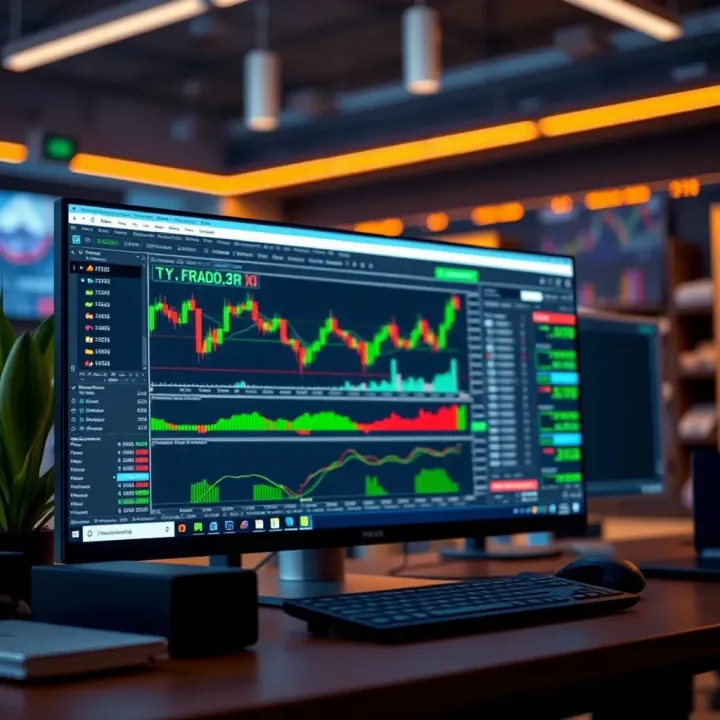
Remember, demo accounts mirror real market scenarios closely but do not replicate emotions tied to real money gains or losses, which is key in live trading psychology.
Real-time market data: Trades are executed based on current forex prices.
Virtual capital: You trade with fake money, often starting with ₹10 lakh or more.
Trading tools: Access charts, technical indicators, and order types similar to live platforms.
No financial risk: You won’t lose actual money, making it safe for trial and error.
Traders in India should note that while demo accounts offer a good learning ground, they cannot perfectly simulate liquidity conditions or slippage that live accounts may face. Plus, demo accounts may offer infinite capital, which can encourage overtrading—an unrealistic scenario outside practice.
Still, demo accounts behave like a sandbox where you can polish your strategy, test indicators, and fine-tune your approach to forex trading.
Selecting the right demo account involves looking at broker reliability, platform features, and adherence to Indian regulations like those of the Securities and Exchange Board of India (SEBI). A good demo account should provide an interface familiar to the live trading platform of the broker, so that switching is smooth.
In short, demo accounts are your best stepping stone to understand currencies’ wild swings, master trading platforms, and prepare for the complexities of live forex trading, all without financial risk. Indian traders should take advantage of these accounts today itself to sharpen their skills before putting money at stake.
A forex trading demo account serves as an essential tool for anyone stepping into currency trading. It mimics real forex market conditions without exposing the trader to actual financial risk. This setup helps beginners familiarise themselves with forex mechanics, while also letting experienced traders test strategies and tools without risking capital.
Demo accounts operate on virtual money, allowing you to place trades, monitor positions, and experience market fluctuations as if you were trading with real cash. For instance, if you start with a demo balance of ₹1,00,000 virtual funds, you can buy and sell currency pairs like USD/INR or EUR/USD just as in a live market. This environment lets you learn the ropes without the stress of potential losses, making mistakes less costly and learning more effective.
Despite being a simulation, demo accounts provide real-time forex rates and market updates. You experience live price movements, spreads, and order executions on popular platforms such as MetaTrader 4, MetaTrader 5, or broker-specific apps like Zerodha's Kite. This access helps you understand how currency prices fluctuate throughout the day and how to respond to those changes efficiently.
Starting with a demo account takes away the worry about losing money while grasping fundamental concepts such as currency pairs, leverage, pips, and margin. For example, you can practise opening and closing positions, placing stop-loss orders, and managing your exposure without any financial danger. Such practice builds confidence and reinforces understanding before you commit real funds.
Demo accounts also double as testing grounds for your trading ideas. Suppose you want to try a scalping strategy during high volatility or try algorithm-based trading; the demo lets you apply these without pressure. Additionally, you can experiment with various features—like setting price alerts, drawing trend lines, or using technical indicators—to see what tools suit your approach best.
Using a forex demo account is like a pilot using a flight simulator—it prepares you thoroughly for the real experience without risking the aircraft.
In summary, a demo account is the safest and most practical first step into forex trading. Indian traders can use it to learn market dynamics, test strategies, and become comfortable with technical platforms before moving to live trading with real money.
A demo account offers traders a practical, risk-free space to understand the nuances of forex trading. It acts as a crucial stepping stone before taking real money positions. Particularly for beginners, the ability to familiarise oneself with currency pairs, leverage, and market dynamics without financial pressure builds confidence and sharpens skills.
Understanding currency pairs and leverage is essential for any forex trader. Demo accounts let you experiment with major and minor currency pairs, such as USD/INR or EUR/USD, without risking actual money. This hands-on experience helps clarify how currency fluctuations affect your trades. Plus, leverage—which allows trading larger positions with a smaller capital—can also be tested safely. For example, trying 1:50 leverage on a demo platform allows you to see how gains or losses multiply, helping you grasp risk before stepping into live trading.
Experiencing order types and execution is another critical benefit of demo trading. Forex platforms offer diverse order types—market, limit, stop-loss, and more—which can confuse new traders. Demo accounts let you place different orders, observe how they execute under various market conditions, and understand their impact on profits or losses. This exposure removes guesswork and builds familiarity with execution speed and order management, crucial skills once you switch to live markets.
Demo accounts enable traders to practice backtesting and forward testing approaches. Backtesting involves applying strategies to past market data to evaluate effectiveness without real stakes. Demo platforms often provide historical data for this purpose. Forward testing is practising the chosen strategy in a live environment but with virtual funds, to observe performance in real-time. This two-step approach allows refinement and confidence-building before committing actual capital.
Adjusting methods for different market conditions becomes easier with a demo account. Markets shift between trending, ranging, and volatile phases. Testing how your approach performs across these scenarios helps identify strengths and weaknesses. For example, a momentum strategy might work well in trending markets but falter in sideways movement. Seeing these variations without financial risk lets you tweak or switch approaches efficiently.
Getting comfortable with navigation and features of popular platforms like MetaTrader 4/5 or NinjaTrader is vital. Demo accounts mirror live platforms, providing full access to order placement, charting tools, and market analysis features. Familiarity reduces errors and enhances decision-making speed.
Setting alerts, charts, and customised interfaces is also possible in demo environments. You can learn to configure price alerts for breaking entry or exit levels, apply technical indicators like RSI or MACD, and personalise chart layouts to suit your style. These small yet significant skills make a big difference in managing trades effectively later.
Practising on a demo account equips traders with foundational skills, sharpens strategy, and builds platform confidence—all without risking a single rupee.
Overall, the benefits of demo accounts extend beyond simple practice; they shape disciplined traders capable of navigating the real forex landscape with informed strategies and platform know-how.
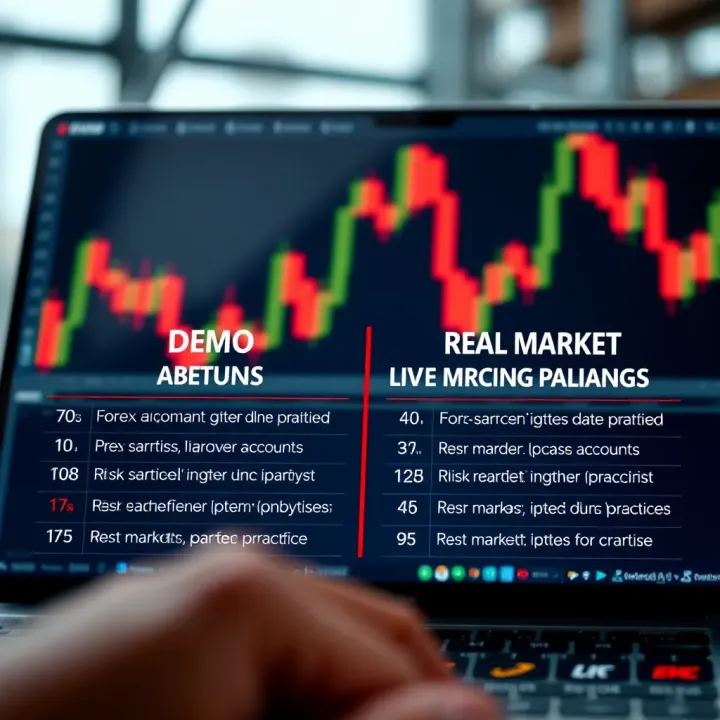
Understanding the key differences between demo and live forex accounts helps traders set realistic expectations. While demo accounts simulate trading environments, live accounts involve actual money, emotional stakes, and real market challenges. Recognising these distinctions is essential for preparing to handle real trading pressures and conditions.
Demo accounts lack the emotional weight that comes with risking real money. Traders may feel confident or adventurous because losses do not affect their actual capital. This often leads to riskier trades or ignoring stop-loss rules. For example, a trader might hold a losing position for too long in demo mode, knowing they won't lose anything, behaviour rarely sustainable in a live setting.
Without emotional involvement, vital skills like discipline, patience, and managing fear or greed cannot be fully developed. This absence makes it a poor simulator for emotional decision-making, a crucial aspect of successful trading.
Moving from a demo to a live account introduces psychological stresses such as anxiety, fear of loss, and stress, which affect decision-making. Even experienced demo traders can find live trading harsher, leading to hesitation or impulsive trades.
To ease this transition, traders should start with small live positions reflecting their demo strategies. Gradually increasing exposure helps build emotional resilience. Keeping trading journals and reviewing decisions also supports adapting to real-market psychology effectively.
Price slippage happens when a trade executes at a different price than expected, often during market volatility. Demo accounts usually offer fixed spreads and seamless fills, hiding this reality.
In live trading, spreads can widen, especially during news releases or off-market hours, increasing costs unexpectedly. For instance, a EUR/USD spread might widen from 1 pip to 5 pips, impacting profitability. Awareness of slippage and variable spreads helps traders factor these into their risk management.
Demo accounts often execute orders instantly, but live markets have delays due to liquidity and volatility. In fast-moving markets, orders may get partially filled or rejected, unlike the perfect fills on demos.
This affects scalpers or day traders significantly since missed fills or delayed executions can turn profits into losses. Testing how orders behave during volatile times with a lower-risk live account can prepare traders better.
Demo accounts often allow high leverage with minimal margin calls, enabling large virtual positions with little capital. However, live accounts impose stricter leverage limits regulated by authorities like SEBI or the Reserve Bank of India (RBI).
For example, retail forex traders in India may face maximum leverage of 1:50 or 1:100, while demo accounts might simulate higher ratios. Enforcing realistic margin requirements in live trading demands careful position sizing and risk control.
Demo accounts might permit trading in a wider range of currencies or larger lot sizes than live accounts, especially with Indian brokers who restrict certain high-risk instruments.
A trader attracted by demo’s access to exotic pairs or large position sizes may face trading limits or unavailable options in their live account. Understanding these restrictions beforehand helps avoid surprises and plan strategies suited to the actual trading environment.
Recognising these differences sharpens your trading skills and mindset, setting you up for a smoother transition from practice to real forex markets.
Using a forex demo account effectively requires a structured approach. Without clear goals and a disciplined mindset, demo trading can become just a game, missing its purpose of preparing you for real market conditions. The right methods help you transition smoothly into live trading while avoiding common pitfalls.
Defining trial periods and progress milestones is key when starting with a demo account. Instead of trading indefinitely without focus, set specific time frames—say, one month—to test your grasp on market basics and strategy execution. Break this period into milestones, such as understanding three currency pairs well or practising risk control on every trade. This approach prevents aimless clicking and keeps your learning on track.
Tracking your growth is easier when you monitor progress in stages. For example, you might begin with 1:100 leverage and move to lower leverage settings to gradually simulate live risk.
Tracking performance with journals brings discipline and clarity to demo trading. Keeping a trading journal where you note down every trade’s entry, exit, reasoning, and outcome helps spot recurring mistakes or good patterns. For instance, you may notice you close winning trades too early or fail to react to news events properly. This insight is gold, allowing focused improvement rather than blind repetition.
Even simple Excel sheets or apps can serve this purpose well. The key is consistency and honest self-review.
Applying risk management and position sizing during demo trading makes your practice more meaningful. Treat your virtual ₹5 lakh balance as if it were your real money. Limit each trade to a small percentage, like 1–2%. This helps build habits essential in live trading, where overleveraging can wipe out a real account fast.
Without practising these controls in demo mode, new traders often develop the false confidence of risking large chunks whoch isn't sustainable. So, position sizing is more than maths—it forms the backbone of mindful trading.
Using demo funds cautiously to mimic real stakes also reduces the gap between practice and reality. Avoid placing huge bets just because the money is virtual. For instance, if you plan to trade ₹10,000 per position in a live account, keep your demo trades around this figure, not ₹1 lakh. This prevents emotional disconnect and helps you appreciate gains and losses realistically.
Testing customer support responsiveness is often overlooked but can make or break your trading experience. Use the demo period to reach out to the broker’s help desk with typical questions or issues. Gauge response time, helpfulness, and clarity. For example, if you meet a delay of 24 hours or vague replies, consider the same problems multiplied during live trading.
Especially for Indian traders dealing with time-sensitive decisions and multiple payment options, crisp support can save significant headaches.
Assessing platform stability under various scenarios is critical for smooth trading. While using the demo account, intentionally test the platform’s behaviour during high volatility times, such as after RBI announcements or US Federal Reserve updates. Check for delays, freezes, or crashes.
A broker who offers a stable platform even under stress protects you from costly slips. For example, a demo platform crashing during important price swings may hint at similar troubles live, risking missed trades or bad fills.
A demo account is only as useful as the effort and realism you bring into using it. Set clear goals, simulate real trades, and vet your broker’s service carefully. These steps build a solid bridge to confident, informed live trading.
By following these practical steps, traders can maximise the value of forex demo accounts and make their real market entry much less daunting.
Demo accounts serve as helpful tools for forex traders to practice without financial exposure, but they also come with pitfalls. Understanding common mistakes and limitations of demo accounts is crucial to avoid false confidence and unrealistic expectations. Many traders rely heavily on demo results, only to find live trading quite different. This section highlights key areas where demo trading can mislead and offers practical points to navigate these challenges.
One major issue with demo accounts is that traders often underestimate how market volatility affects live trades. On demo, sudden price swings do not trigger real stress or urgent reactions, making traders believe managing unpredictable moves is simpler than it actually is. For example, a demo trader may use a high leverage level confidently, unaware that real market volatility and margin calls in a live account can wipe out capital fast. This gap can lead to costly mistakes when facing the rollercoaster of currency markets with real money at stake.
Demo trading removes the fear and pressure linked to losing money, so emotional discipline rarely develops properly. Traders don’t experience the adrenaline or anxiety that influences decision-making under live conditions. Without this, habits like panic selling, revenge trading, or hesitation remain untested in the demo environment. As a result, many traders struggle to maintain composure during live trading and face emotional swings that affect performance. A demo account is useful only when its limits in building psychological resilience are acknowledged.
While demo accounts show spreads and commissions, they often do not represent the full cost impact on traders. Some platforms offer demo spreads that are tighter or less variable than live markets. For instance, a demo account may show an average spread of 1 pip on EUR/USD, but the actual live spread under volatile sessions could widen to 3-4 pips or more. Those extra costs reduce profits and increase break-even points. Traders who overlook these differences risk underestimating the fees that chip away at their real earnings.
Swap charges, which apply to positions held overnight, are usually not accurately simulated in demo accounts. Real trading involves paying or earning rollover interest, which affects overall profitability. Additionally, demo environments often do not replicate slippage – the difference between expected price and actual fill during fast-moving markets. Missing these factors on demo leads to an incomplete picture of trading expenses and execution quality.
Order execution on demo accounts is typically instantaneous without delays, which does not reflect live trading reality. Real market orders may experience latency especially during news releases or high volatility, causing delays or partial fills. For instance, placing a market order during India’s budget announcement could see price moves before execution, which a demo environment might not simulate. This difference can mislead traders about the ease and speed of entering positions.
In live markets, traders may receive worse fills due to slippage or price gaps – situations where orders execute at less favourable prices than intended. Demo accounts often fill orders at requested prices without accounting for these real-world conditions. This affects profitability significantly in volatile sessions. Understanding that live trading has such challenges helps set realistic expectations and encourages using limit orders, stop-losses, and other risk management techniques effectively.
Practising on demo accounts is necessary, but recognising their limitations is key. Traders should treat demo results as a guide, not a guarantee, and prepare mentally and strategically for the complexities of live forex trading.
Selecting the right demo account is key for Indian traders aiming to build solid forex trading skills without risking real money upfront. The choice affects how well the demo experience mirrors actual market conditions in India, helping traders prepare for live trading. Focused features, regulatory checks, and regional support can make a huge difference.
Indian traders need to verify broker registration with the Securities and Exchange Board of India (SEBI) or recognised international regulators like the Financial Conduct Authority (FCA) in the UK or the Australian Securities and Investments Commission (ASIC). Registration ensures brokers follow certain safety and transparency standards, protecting your money and data. For instance, a SEBI-registered broker complies with India-specific norms, offering better dispute resolution options.
It's best to avoid unregulated or offshore brokers that lack proper licensing. These brokers might offer flashy platforms or tempting leverage, but without oversight, they can expose traders to unfair practices or sudden account freezes. Such risks become apparent when withdrawing funds or facing unexpected margin calls. Indian traders should lean towards brokers with transparent policies and resolved grievances to ensure peace of mind.
Access to Indian rupee (INR) currency pairs and emerging market currencies is vital. Demo accounts that include INR pairs allow traders to practice with realistic spreads and price movements specific to the Indian forex market. For example, platforms offering USD/INR or EUR/INR pairs help you understand how local events affect currency fluctuations, which demo accounts without INR pairs cannot provide.
Mobile trading is very common in India, so a user-friendly app integrated with Indian payment methods like UPI, net banking, or mobile wallets is a must-have. These features enable smooth deposit and withdrawal processes even during the demo phase. For example, demo accounts linked with apps like PhonePe or Google Pay foster familiarity with the payment flows you’ll encounter later in live accounts.
Having Hindi or regional language support in your demo account setup can enhance learning. It allows you to grasp complex forex terms without language barriers, making tutorials and customer interactions more effective. Some brokers offer live chat or helpline in Indian languages, improving your ability to clarify doubts quickly.
Also, look for brokers providing webinars, detailed tutorials, and community forums tailored explicitly for Indian traders. These platforms often discuss market trends, news, and regulations specific to India, which global brokers might overlook. Engaging with such resources while on a demo account can boost your confidence and prepare you better for the live forex world.
Choosing a demo account aligned with Indian market realities and regulated standards is not just about practice — it’s about laying a trustworthy foundation for long-term trading success.
By considering regulatory compliance, platform features, and supportive educational resources, Indian traders can select demo accounts that offer the closest simulation to real trading while avoiding unnecessary risks.
Explore Quotex trading in India 🇮🇳 with this detailed guide 📊 covering platform setup, asset types, risk management, strategies, and regulatory tips ✅
Discover how Quotex trading signals 📈 can boost your trading decisions. Learn to use, interpret, and integrate them effectively while managing risks wisely.
Explore Quotex forex trading essentials in India 🇮🇳. Learn platform features, account types, tools & smart strategies for better risk management 💼📊.
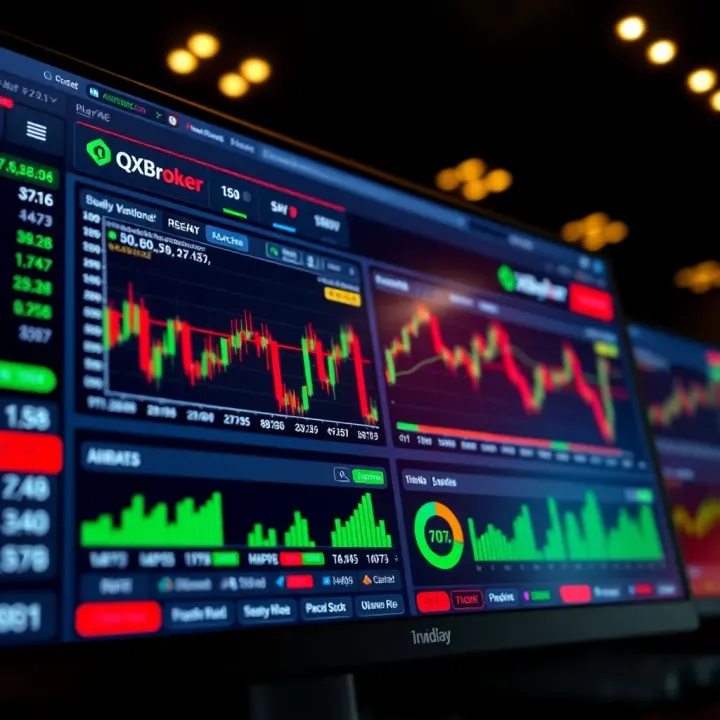
Explore our detailed QXBroker.con guide 📊 covering platform features, account types, security, and trading tips tailored for Indian traders 🇮🇳.
Based on 11 reviews