
Gold Price Forecast in India by 2030
Explore key factors shaping gold prices in India by 2030, including demand trends, economic shifts, regulations, and risks. Stay informed to plan investments wisely 📈💰
Edited By
James Montgomery
Gold has always held a special place in India's economy and culture, serving as both a store of value and a symbol of wealth. As we look towards 2050, understanding the potential direction of gold prices in India involves analysing several key factors. Traders, analysts, and investors need clear insights into how economic conditions, government policies, and global market forces might shape gold's future.
Historically, gold price movements in India have closely tracked global trends, but local factors like import duties, jewellery demand during festivals, and rural buying patterns also play a significant role. For example, increases in customs duty have periodically softened demand, while rural festivals like Diwali and Akshaya Tritiya tend to spike gold sales, impacting price dynamics rapidly.
India is the second largest consumer and importer of gold globally, making domestic factors crucial in price forecasting.
Looking ahead, several influences will drive gold valuation:
Economic shifts: Inflation rates and currency fluctuations (particularly the rupee's strength against the dollar) directly impact gold prices. Periods of high inflation often see gold as a hedge, pushing prices upwards.
Government policies: Changes in import duties, taxation like the Goods and Services Tax (GST) on gold, and regulations affecting jewellery makers and dealers can alter demand and price trends significantly.
Geopolitical stability: Regional conflicts or global uncertainties tend to boost gold's safe-haven appeal, influencing prices sharply.
Technological developments: Advances in mining, refined jewellery manufacturing, and digital gold platforms could reduce costs or widen access, altering market structures.
In short, forecasting gold price in India for 2050 is no simple task. Instead, it requires a blend of historical understanding and close monitoring of evolving economic, political, and technological trends. Investors aiming for long-term exposure should consider these aspects carefully, balancing traditional insights with emerging patterns in India’s unique market context.
Understanding the historical overview of gold prices in India provides a strong foundation for forecasting their trajectory up to 2050. This section highlights key price movements and underlying factors that have shaped the gold market over decades. Familiarity with these trends helps investors and analysts contextualise future changes, recognising patterns, and grasping the economic and cultural influences that often move the market.
Gold prices over the last few decades have experienced considerable fluctuations, moving from around ₹200 in the early 1990s to about ₹50,000 per 10 grams in recent years. This long-term rise was punctuated by short-term swings brought on by global economic conditions, inflation rates, and domestic demand. For example, the 2008 global financial crisis triggered a sharp spike in gold prices as investors sought safe havens. Conversely, periods of economic stability often saw subdued growth in prices.
This historical perspective matters because it shows gold’s role as a hedge during economic uncertainty. Traders and investors can use these past price patterns to assess gold’s expected resilience when global or domestic shocks occur in the future.
Cultural and economic significance of gold in India ties deeply into its price dynamics. Gold is not only a store of wealth but also integral to Indian traditions such as weddings and religious ceremonies. Families often consider gold as financial security, which keeps demand relatively steady even in volatile markets.
Moreover, gold in India acts as informal savings, especially in rural areas where banking penetration is lower. This ingrained cultural attachment influences buying behaviour and liquidity, directly impacting price trends. Understanding this social context helps investors predict demand fluctuations based on cultural or festive seasons like Diwali or Akshaya Tritiya.
Inflation and currency fluctuations have historically pushed gold prices higher. When inflation rises or the Indian rupee weakens against the US dollar, gold becomes more attractive as a store of value. For instance, rupee depreciation in the late 2010s corresponded with a steady increase in local gold prices, as importing gold became costlier.
Investors closely watch inflation because gold often performs well when purchasing power erodes. This makes it a preferred choice during times of rising consumer prices or currency instability.
Global gold market impact cannot be overlooked. India depends heavily on gold imports, so international gold price movements, driven by US Federal Reserve rate decisions or geopolitical tensions, heavily influence domestic prices. For example, when global supply tightens due to mining slowdowns or trade restrictions, prices soar worldwide, affecting Indian buyers.
Such global linkages mean domestic investors must keep an eye on international factors, not just local economy and policies.
Indian demand patterns shape gold's price behaviour uniquely. Demand spikes during wedding seasons and festivals, while investment demand rises in uncertain economic periods. In recent years, urban India witnessed growing interest in paper gold products like sovereign gold bonds, but physical jewellery still dominates.
Monitoring demand cycles linked to cultural events or economic sentiment offers practical insights into when prices may surge or stabilise. This helps traders and investors time their gold purchases or sales effectively.
An appreciation of India's gold price history combined with social and economic insights equips investors to navigate the complex factors influencing future valuations effectively.
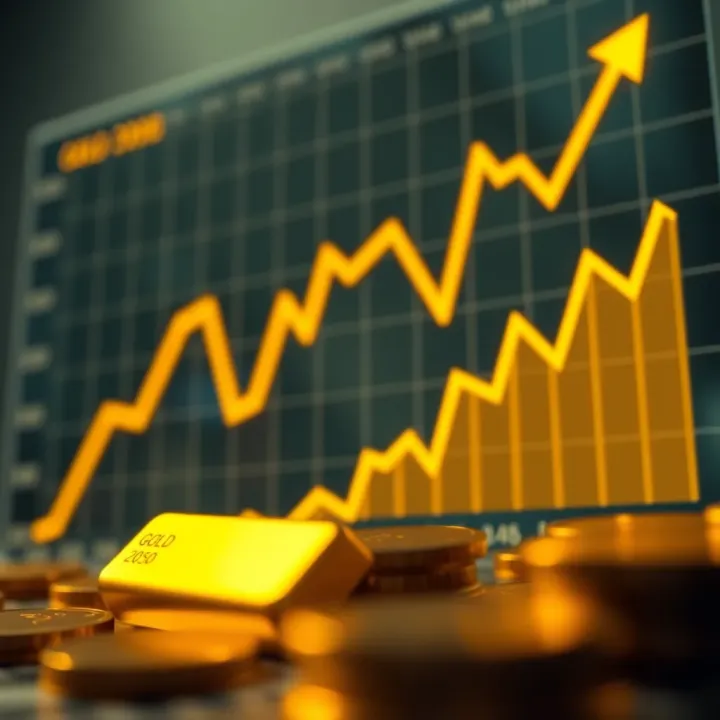
Long-term price trends show gold’s role as a financial hedge
Cultural practices support steady physical demand in India
Inflation and rupee value shape price volatility
International market forces directly impact domestic prices
Indian demand is seasonal and sentiment-driven, affecting price cycles
This section lays the groundwork for deeper analysis of what may drive gold prices until 2050, enabling informed investment strategies today.
Understanding the key drivers shaping gold prices by 2050 is essential for investors and analysts. These drivers offer a lens into economic, geopolitical, and global market dynamics that influence gold’s valuation in India and beyond. Their impact spans from shifts in consumer demand to supply and international monetary policies, all of which intertwine to determine future price trends.
Inflation and currency devaluation play a significant role in shaping gold demand. When India faces inflation or the rupee weakens against major currencies, gold typically becomes a preferred hedge. For instance, in periods of high inflation, such as the early 2010s, investors and households turned increasingly to gold to protect their purchasing power. In the long run, continued inflationary pressure or currency devaluation could boost demand, pushing prices higher.
Interest rates and investment alternatives influence how attractive gold is compared to other assets. Gold does not pay interest or dividends, so it competes with fixed deposits, government bonds, and equities. When RBI or global central banks hike interest rates, investments offering returns become more appealing, which can dampen gold buying. However, during low or negative real interest rate phases, gold rallies as the opportunity cost of holding it falls. The balancing act between rates and market sentiment will be key to price dynamics.
Economic growth and disposable income trends also affect gold consumption, especially in India, where cultural affinity drives purchases during weddings and festivals. As incomes rise in tier-2 and tier-3 cities, more households can afford gold for jewellery and investment. However, rapid urbanisation and shifting preferences towards modern asset classes may temper growth in physical gold demand. Nevertheless, the steady rise in disposable income is likely to sustain demand levels, supporting upward price pressure over time.
Global political tensions and safe-haven demand have a direct impact on gold prices. Periods of geopolitical unrest, such as conflicts or trade wars, often spur a flight to safety. Gold’s status as a store of value becomes prominent during such times, increasing buying by individuals and institutions alike. For Indian investors, international tensions can amplify rupee volatility, enhancing gold’s appeal as a protective asset.
Supply constraints and mining output will continue to affect pricing. Gold mining faces challenges due to resource depletion and rising extraction costs. For example, major producers like South Africa and Russia have seen declining output in recent years. Any reduction in global supply tightness against steady or rising demand can propel prices upward. India's gold imports, heavily dependent on global availability, will reflect these supply trends.
International monetary policy changes shape liquidity and currency movements, influencing gold market dynamics. Central bank decisions—especially by the US Federal Reserve—on interest rates and quantitative easing have ripple effects worldwide. For instance, tightening by the Fed usually strengthens the dollar and pressures gold prices lower. India’s gold prices are tied to these global forces due to import costs and capital flows. Shifts in global monetary policies through 2050 will remain a critical factor to watch.
In summary, both economic conditions and global geopolitical developments will steer the future trajectory of gold prices in India. Traders and investors who monitor these factors closely stand a better chance at anticipating market swings and making informed decisions.
Government policies in India strongly influence gold pricing, shaping both demand and supply. Traders, investors, and analysts need to keep these policies in mind as they impact cost structures and market dynamics. Import duties, taxes, and regulations can cause price fluctuations beyond global gold trends, affecting retail prices and investment returns.
Import tariffs are a key factor determining the retail price of gold in India. Since India imports most of its gold, any hike in customs duties increases costs for jewellers and dealers, who then pass this on to consumers. For instance, in 2013, a sudden increase from 6% to 10% import duty pushed gold prices sharply higher locally, making gold purchases more expensive despite global price stability.
High import duties also encourage smuggling and black market trade, which disturbs transparent pricing. For investors and brokers, understanding changes in import tariffs helps anticipate short-term price volatility linked to policy shifts rather than purely market fundamentals.
Similarly, the Goods and Services Tax (GST) regime applies a 3% rate on gold jewellery and 5% on gold coins and bars. While GST has streamlined the tax structure, it also marginally increased the costs for buyers compared to the earlier local tax systems. The phased removal of other state-level taxes under GST means overall transparency has improved, but the tax burden remains a significant price component.
GST compliance impacts wholesalers and retailers too. Those failing to maintain proper invoicing may face penalties or delayed input tax credits, which influence pricing strategies. The tax framework thus shapes the entire supply chain and market behaviour.
The Reserve Bank of India (RBI) guidelines play an essential role in regulating gold imports, gold monetisation schemes, and investment products. RBI’s policy decisions on gold loans and norms for gold deposits influence how banks and financial institutions handle gold assets. For example, RBI encourages banks to promote gold monetisation to tap idle household gold, reducing reliance on imports and stabilising prices.
Dematerialisation of gold through electronic gold receipts (EGRs) and products like Sovereign Gold Bonds (SGBs) has changed how Indians invest in gold. These digital or paper instruments reduce the need for physical holding and lower storage costs. For investors and brokers, these options offer easier liquidity, less price markup, and safer ownership, impacting demand patterns and price sensitivity.
Furthermore, government policies promoting gold monetisation schemes aim to mobilise idle gold reserves held by households. By bringing this gold into the formal financial system, these schemes can ease import dependence and moderate domestic gold prices in the long run. However, awareness and easy accessibility remain challenges for widespread adoption, and their impact on pricing depends on effective market participation.
Understanding government policy is vital for anticipating gold price movements in India. Taxes, import duties, RBI regulations, and monetisation schemes collectively shape the cost and demand environment, making them key levers for investors and traders alike.
Technological advancements and evolving market mechanisms are reshaping how gold demand will behave in India by 2050. These changes influence not only the ease with which individuals and institutions invest in gold but also affect pricing dynamics and market liquidity. Understanding these developments helps traders, analysts, and investors anticipate shifts in demand patterns beyond traditional physical gold purchases.
The rise of online gold trading in India has made gold more accessible to a wider audience. Platforms like MMTC-PAMP, SafeGold, and Google Pay have simplified buying and selling gold digitally without the hassles of physical storage or purity concerns. For example, SafeGold allows customers to buy gold in grams or fractions online and store it securely in digital lockers, which cuts down on the risks and costs linked with physical gold. This convenience encourages more frequent transactions and participation from younger investors.
Moreover, technological infrastructure improvements like DigiLocker and India Stack enhance gold trading by allowing easy verification of documents and seamless integration of digital identities. DigiLocker enables secure electronic storage of KYC documents, helping investors comply quickly with regulatory requirements. India Stack, the underlying digital platform, facilitates secure payments and data sharing, enabling smoother transactions in gold trading apps. This reduces settlement times and cuts administrative burdens, making gold investments more efficient.
Investment options such as gold Exchange Traded Funds (ETFs), sovereign gold bonds (SGBs), and Systematic Investment Plans (SIPs) are gaining traction among Indian investors. These vehicles offer convenient alternatives to physical gold, eliminating concerns about purity, storage, and making charges. For instance, SGBs issued by the government pay interest annually in addition to potential price appreciation, appealing to those seeking income along with capital gains.
On top of that, growing consumer interest in ‘paper gold’ reflects a shift in preferences from traditional jewellery or bullion. Paper gold includes ETFs and digital gold products, which allow easy buying and selling at market prices with transparent charges. This trend matches changes in urban lifestyles where convenience, liquidity, and lower transaction costs matter more. Many investors now combine physical and paper gold holdings for portfolio balance, recognising that paper gold is especially handy for tactical trading while physical gold caters to cultural and emotional needs.
Digital platforms and emerging investment options will likely drive broader and more flexible gold demand in India by 2050, influencing price discovery and investment strategies.
In summary, the integration of technology into gold trading and new forms of gold investment are changing how demand evolves. Traders and investors should watch how these factors develop as they shape India’s gold market future, offering fresh opportunities for growth and risk management.
Understanding the outlook for gold investment by 2050 in India is essential for anyone looking to safeguard wealth or diversify their portfolio in the long term. Gold has always been a traditional store of value in India, but its role is evolving with changing economic and market conditions. Knowing potential price movements, risks, and alternative investment vehicles helps investors make better decisions today, anticipating shifts in demand, government policies, and technological developments.
Expert predictions and CAGR analysis: Analysts often rely on compound annual growth rate (CAGR) to estimate how gold prices might evolve. For India, historical CAGR for gold prices hovers around 8–10% in the past two decades, factoring in inflation and global trends. Some experts expect this rate to continue or modestly improve, considering rising demand from Indian households, urbanisation, and increasing jewellery consumption during festivals and weddings. For example, if gold prices grow at a steady 9% CAGR, an ounce costing ₹50,000 now could surpass ₹4,50,000 by 2050, demonstrating significant capital appreciation.
Scenarios based on economic and geopolitical assumptions: Gold prices don’t move in a vacuum. Different scenarios can impact forecasts — such as high inflation paired with weakening rupee, geopolitical tensions causing safe-haven demand, or shifts in mining output tightening supply. For instance, if India faces persistent inflation above 6% with currency depreciation, gold could act as a critical hedge, pushing prices up steeply. Conversely, a stable geopolitical climate with strong economic growth and rising interest rates might reduce gold’s appeal compared to equities. Investors should prepare for a range of outcomes and adjust their strategies accordingly.
Balancing gold in diversified portfolios: Long-term investors should treat gold as a stabiliser rather than a growth asset. Allocating between 5–15% of a portfolio to gold can help cushion against volatility in stocks or real estate. For example, during periods of market downturns or currency weakness, gold historically performs well, preserving capital. However, overexposure may limit overall returns, so balance is key.
Impact of inflation and currency risks: Persistent inflation erodes the purchasing power of cash and fixed income, but gold often retains value or appreciates. In the Indian context, rupee depreciation against the US dollar tends to push gold prices higher. Hence, gold serves as an effective hedge against inflation and currency risks. Investors should monitor inflation trends, RBI monetary policy, and forex rates to decide the right time and quantity to increase gold exposure.
Alternatives to physical gold holding: Holding physical gold involves risks like theft, purity concerns, and storage costs. Alternatives like gold ETFs, sovereign gold bonds (SGBs), or digital gold offer safer and more convenient options. SGBs, for example, provide interest payments along with capital appreciation and are backed by the government, making them attractive for risk-averse individuals. Digital gold platforms linked to India Stack allow easy buying, selling, and transferring without physical handling, which suits tech-savvy investors in urban areas.
For investors aiming to build wealth over decades, understanding gold’s potential price path and balancing investment choices carefully is the smart way forward.
Explore key factors shaping gold prices in India by 2030, including demand trends, economic shifts, regulations, and risks. Stay informed to plan investments wisely 📈💰
Explore the forecast for gold prices in India by 2040 📈. Understand key economic drivers, global trends, and how they affect investments and Indian consumers 💰.

📈Explore the long-term outlook of Reliance share price until 2050. Understand business fundamentals, historic trends & future growth factors shaping its value.
Discover the 2030 forecast for Binance Coin (BNB) price 📈, factors shaping its growth, crypto market trends, and expert views for long-term investors.
Based on 12 reviews