

Understanding Ethereum Trading in India
Explore Ethereum trading in India with this practical guide 📈. Learn trading methods, risk tips, Indian regulations, and useful tools to boost your crypto game.
Edited By
Sophie Palmer
Data protection stands as a fundamental pillar in today’s digital economy, especially for businesses involved in trading, analysis, advising, and investment. With mounting volumes of personal and financial data exchanged daily, ensuring its confidentiality and integrity is not just a compliance issue but a business imperative.
India’s expanding digital infrastructure, driven by platforms like UPI and DigiLocker, has increased data flow, making it more vulnerable to breaches. The consequences of poor data protection range from financial losses to loss of client trust, regulatory penalties from SEBI or RBI, and even legal repercussions under acts like the Information Technology Act, 2000.
Data protection safeguards your organisation’s reputation and financial health by preventing unauthorised access and misuse of sensitive information.
Investors and brokers handle sensitive data such as bank details, PAN numbers, and transaction histories. Without strong protection measures, this information can be compromised, leading to identity theft or fraud.
For instance, a stockbroking firm that overlooks basic encryption might expose client portfolios to hackers, causing severe damage beyond immediate monetary loss. Moreover, regulatory authorities expect robust data protection strategies, making it a compliance requirement that aligns with business credibility.
Data Privacy: Respecting the confidentiality of personal and financial information by limiting access on a need-to-know basis.
Data Security: Implementing technical safeguards like encryption, firewalls, and secure cloud storage.
Legal Compliance: Adhering to Indian laws such as the IT Act and upcoming Personal Data Protection Bill to avoid penalties.
Risk Management: Regular audits and employee training to recognise and mitigate data threats.
Use secure, updated platforms for transactions and communications.
Enable multi-factor authentication (MFA) for all accounts.
Store critical data only on servers compliant with Indian data localisation policies.
Train teams regularly about phishing, social engineering, and insider risks.
In short, integrating data protection is not a one-time activity but a continuous effort essential to sustain trust and meet regulatory expectations in the Indian market.
Data protection refers to the processes and measures taken to safeguard information from unauthorized access, misuse, alteration, or loss. For traders, analysts, advisors, investors, and brokers, protecting data is not just about compliance but about preserving trust and ensuring business continuity. In today's digital environment, where transactions depend heavily on data accuracy and privacy, understanding what data protection means is vital.
Data protection involves securing data through technical, organisational, and legal means. It includes practices like encryption, access controls, secure data storage, and compliance with regulations like the Information Technology Act, 2000 and the Personal Data Protection Bill in India. The goal is to prevent breaches that could lead to financial loss, identity theft, or reputational damage. For example, a brokerage firm encrypting clients’ investment details to prevent leaks is practicing data protection.
Personal Data: This refers to any information that can identify an individual, such as name, address, phone number, email, or Aadhaar number. Traders and analysts handle vast amounts of personal data through Know Your Customer (KYC) processes when onboarding clients. Protecting this data is essential to avoid identity theft or privacy violations. For instance, if an investor's contact details leak due to inadequate security at a trading platform, it can lead to phishing scams or fraud.
Sensitive Data: This category covers data that reveals racial or ethnic origin, political opinions, religious beliefs, health information, or financial status. Sensitive data requires stronger safeguards because its misuse can lead to discrimination or severe privacy harm. A bank or investment firm’s access to financial histories or medical records during loan approvals demands heightened protection, often involving strict encryption and limited access.
Corporate Data: This includes business-critical information such as trade secrets, client lists, financial reports, and strategic plans. For brokers and investors, securing corporate data prevents competitive disadvantage and legal consequences. For example, if a firm's investment strategy document gets leaked, it could affect market behaviour or damage client relations. Maintaining confidentiality through policies and digital safeguards is part of robust data protection.
Protecting different types of data isn't just a legal requirement but a practical necessity for anyone handling sensitive financial or personal information today.
In summary, knowing the scope of data to protect—personal, sensitive, and corporate—helps you prioritise your security efforts effectively and build stronger trust with clients and partners.
In today's digital world, data protection holds a strategic place for both individuals and businesses. Data drives decision-making, but when poorly secured, it opens doors to serious risks including financial losses, reputational damage, and legal troubles. For traders, analysts, and investors, understanding these risks and benefits is vital to safeguarding business continuity and maintaining stakeholder trust.
Identity theft occurs when someone steals personal information such as Aadhaar numbers, PAN details, or bank account credentials to impersonate another individual. In India, cases of ATM card cloning and fraudulent e-KYC processes show how easily criminals can exploit weak data protection. For instance, a single identity breach might grant access to multiple financial instruments, jeopardising investments and credit availability.
Financial fraud involves unauthorised transactions or forgery using stolen data. Consider a broker failing to protect client data, which a fraudster exploits to siphon off funds or manipulate shares. Such incidents not only cause direct monetary loss but can disrupt stock market confidence and trading activities. The recent surge in phishing attacks targeting net banking and trading accounts underlines the growing threat.
Poor data security can interrupt business operations through ransomware attacks or data leaks. Imagine a stock brokerage house’s systems being locked down, delaying trade settlements and causing investor panic. The knock-on effects include regulatory penalties and erosion of client trust, which are hard to reclaim. Hence, preventing these disruptions through solid data controls is a must for any financial service provider.
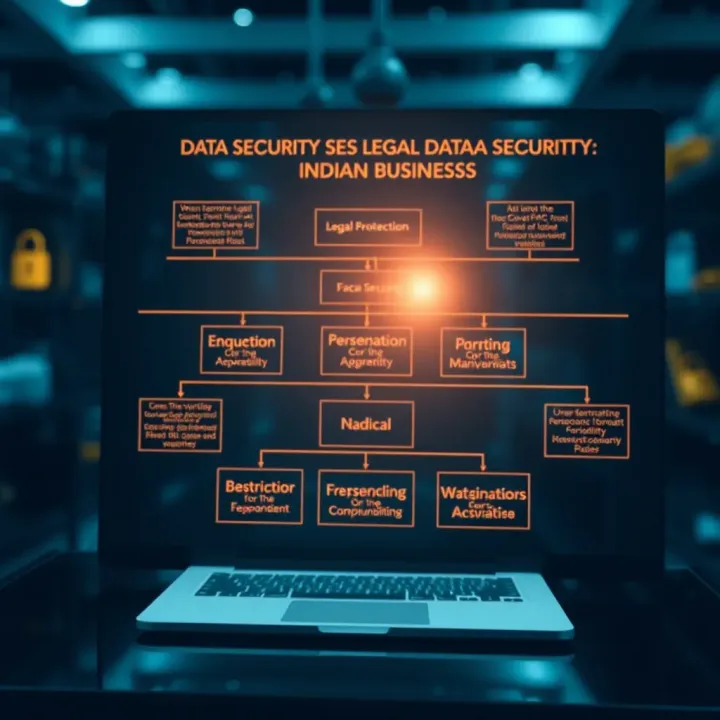
Clients want assurance that their sensitive information is safe. Companies that enforce strong data protection protocols signal commitment to confidentiality and integrity. This trust often translates into better client retention and referrals. For example, an investment advisory that regularly communicates its data security measures tends to attract clients even in competitive markets.
India’s data protection frameworks like the IT Act and proposed Personal Data Protection Bill require firms to follow clear guidelines. Non-compliance can mean hefty fines and legal actions. Traders and brokers operating within the law ensure they avoid these pitfalls while projecting a professional image. Compliance not only prevents penalties but also positions a firm favourably with regulators and investors.
Strong data protection acts as a barrier against breaches that can leak confidential information. By implementing encryption, access controls, and regular audits, businesses reduce the likelihood of cyberattacks. For instance, a securities firm using end-to-end encryption for client data minimises breach risks significantly. Avoiding breaches protects market reputation and shields clients from financial and identity losses.
Effective data protection isn't just about avoiding losses; it builds a foundation for trust, smooth business operations, and legal security essential for long-term growth in financial sectors.
In sum, while data protection demands effort and resources, the risks of neglect are far costlier. The digital age calls for smart security practices to safeguard the massive volumes of data integral to trading and investment activities.
India’s data protection laws form the backbone of how personal and business information should be handled, especially with the surge in digital transactions and data-driven investments. For traders, analysts, advisors, investors, and brokers, understanding these frameworks helps minimise risks like data breaches, financial fraud, and regulatory penalties.
The Information Technology Act, 2000, along with its rules, serves as the primary legislation governing electronic data security in India. It introduced provisions for protecting sensitive personal data and prescribed penalties for cyber offences. For example, Section 43A holds companies liable if they fail to protect sensitive data, impacting financial firms that manage client data online.
Additionally, the IT Rules 2011 set standards for businesses to follow, including obtaining consent before collecting personal data and maintaining reasonable security practices. Traders and investment firms must align their data handling with these norms to ensure compliance and protect client interests.
The Personal Data Protection Bill (PDP Bill) aims to modernise and strengthen India’s data protection landscape. Though still under discussion, it outlines clear roles for data fiduciaries—such as financial advisors and brokerage firms—in managing personal data.
Key provisions include:
Data localisation: Sensitive data must be stored and processed within India, affecting firms handling cross-border client data.
Consent requirements: Firms must obtain clear consent before processing personal data, adding transparency.
Rights for data principals: Individuals gain rights like data correction and erasure, enabling better control over personal information.
For financial market participants, these rules mean updating data practices and possibly investing in secure IT infrastructure to comply.
MeitY oversees India’s digital and data policies, playing a vital role in shaping data protection laws and implementation strategies. Its practical relevance touches all sectors, including finance, where it promotes secure data environments through guidelines and collaborative efforts.
One example is MeitY's push for adopting India Stack technologies, which enhance data security for online transactions and KYC (Know Your Customer) processes widely used in trading and investments. MeitY also coordinates national cyber security policies, crucial for financial firms to follow as they face increasing cyber threats.
The establishment of a dedicated Data Protection Authority (DPA) is a key part of the PDP Bill. This regulator would monitor compliance, investigate data breaches, and impose fines or sanctions.
For brokers and financial advisors, the DPA’s role means closer scrutiny on how they collect, store, and process client data. The authority aims to ensure firms adhere to consent and transparency norms, enhancing overall trust in the financial system. Firms must prepare for audits and possibly regular data protection impact assessments under DPA supervision.
Strong data protection frameworks supported by vigilant regulators help maintain integrity and trust in India's financial markets. As data protection becomes integral to business operations, stakeholders must stay updated and compliant to avoid disruptions and penalties.
By keeping this legal framework in mind, market professionals can better protect client information and align with Indian regulations, reducing risks and safeguarding business reputation.
Taking practical steps to protect data is essential in today’s digital environment, especially for traders, analysts, and investors who handle sensitive information daily. Effective data protection safeguards against financial loss, reputational damage, and compliance failures. Implementing simple yet proven actions can drastically reduce the risks of data breaches and cyber threats.
Passwords act as the first line of defence against unauthorized access. It's important to create complex passwords combining letters, numbers, and special characters, avoiding obvious choices like birthdays or common words. For instance, replacing 'Mumbai2024' with 'Mumb@i#24!' significantly strengthens security. Individuals should also avoid reusing the same password across multiple accounts to limit exposure in case of a breach.
Password managers such as LastPass or Bitwarden can be useful to generate and store strong passwords safely. While it might be tempting to jot down passwords on paper, digital password managers reduce risk by encrypting credentials and allow quick access when needed.
Phishing remains a common threat where attackers impersonate legitimate entities to steal information. Being cautious about suspicious emails, messages, or calls is crucial. Never click on links or attachments received unexpectedly, especially those asking for login credentials or financial details.
A practical habit is to verify the sender’s email address carefully and cross-check any requests through official channels. For example, if you get a message claiming to be from your bank asking to update your account details, call the bank’s helpline directly instead of responding via the link provided.
Data loss can happen due to malware, hardware failure, or accidental deletion. Regular backups ensure that valuable information remains recoverable. Using cloud services like Google Drive or OneDrive to back up important files adds an extra layer of security against local device failures.
Moreover, maintaining offline backups on external drives can help in cases where internet-based services are compromised. Scheduling automatic backups weekly or monthly reduces the chance of losing critical data without continuous manual effort.
Encryption converts data into coded formats, readable only by authorised persons. For businesses, encrypting customer databases, financial records, and communications prevents data theft even if hackers breach the network.
For example, banks in India employ end-to-end encryption protocols for UPI transactions, ensuring secure money transfers. Implementing encryption at rest and in transit is vital for protecting sensitive corporate information from interception.
Periodic audits help identify vulnerabilities in IT infrastructure before attackers exploit them. Security assessments can cover software updates, firewall configurations, and access controls.
Maintaining a checklist and documenting audit findings enables firms to track improvements and compliance with laws like the Information Technology Act. Organisations must also stay updated on emerging threats, adapting their defences accordingly.
Employees often serve as the first defence line against data breaches. Regular training sessions help staff recognise phishing attempts, understand privacy policies, and follow secure data handling practices.
For instance, educating employees on creating strong passwords and safe internet habits can prevent accidental data leaks. Establishing clear protocols for sharing and storing customer or financial data ensures everyone in the organisation plays a part in data protection.
Practical steps towards data protection not only safeguard sensitive information but also build confidence among clients and regulators, fostering long-term trust and business sustainability.
Implementing effective data protection is no walk in the park, especially for businesses navigating the Indian market. A few key challenges tend to get in the way, from technical issues to balancing privacy with operational needs. Understanding these helps organisations craft better strategies and avoid costly mistakes.
The fast pace of technology creates constant hurdles. Companies often juggle legacy systems with the latest security tools, leading to compatibility problems. For example, a small investment firm might use an outdated database that doesn't support modern encryption standards, making it vulnerable to breaches. On top of that, new threats like ransomware evolve quickly, demanding continuous updates and monitoring. The lack of skilled cybersecurity professionals in many Indian cities also adds to the struggle, leaving gaps in defence.
Businesses want to protect customer data without hurting their operations. This balance is tough because detailed data analysis drives many decisions, from portfolio management to customer personalisation. Sharing information between branches or with third parties complicates matters further. Consider a brokerage firm needing to share client data with its partners but must do so without breaching privacy laws. Striking this balance requires clear policies and careful handling to keep customers happy while maintaining efficiency.
Many organisations underestimate the importance of training their people on data protection. Employees unaware of phishing scams or careless with passwords can unintentionally open doors to cyberattacks. In India, where digital literacy varies widely, this is a frequent problem. Regular workshops and clear communication on protocols build a culture of security, helping staff act as the first line of defence. Besides employees, creating awareness among clients about protecting their own data also reduces risks.
Organisations tackling these challenges head-on reduce their risk exposure and build trust, especially in sectors like finance where data security is non-negotiable.
To sum up, addressing technology constraints, finding the right privacy-business balance, and investing in awareness and training are crucial steps. These efforts let traders, analysts, advisors, and brokers safeguard data effectively while focusing on their core functions.
Explore Ethereum trading in India with this practical guide 📈. Learn trading methods, risk tips, Indian regulations, and useful tools to boost your crypto game.

Discover top demo trading apps in India 📱, learn key features and how to use them effectively to practise trading strategies risk-free before real investing 💹.

Explore Quotex trading in India 🇮🇳 with this detailed guide 📊 covering platform setup, asset types, risk management, strategies, and regulatory tips ✅

Explore Quotex options trading in India 🇮🇳 with our guide covering key features, strategies, risks, and practical tips to help you trade smarter and safer 🔍📈.
Based on 10 reviews