

Understanding QX Trading: Basics and Strategies
Explore QX trading in India 📈: learn key concepts, top platforms, effective strategies, risks, and regulations for informed trading decisions.
Edited By
Charlotte Hughes
Box trading is a niche strategy in the financial markets that some traders use to exploit price differences between related assets. It involves creating simultaneous buy and sell positions across different securities or contracts that should theoretically move together. The idea here is to benefit from temporary mispricings within this "box" of positions.
In practice, box trading often appears in derivatives markets where traders hold offsetting long and short positions on options or futures with the intent to capture arbitrage or locked-in gains. However, not all box trades yield profits easily; execution costs, market volatility, and regulatory restrictions can affect outcomes.
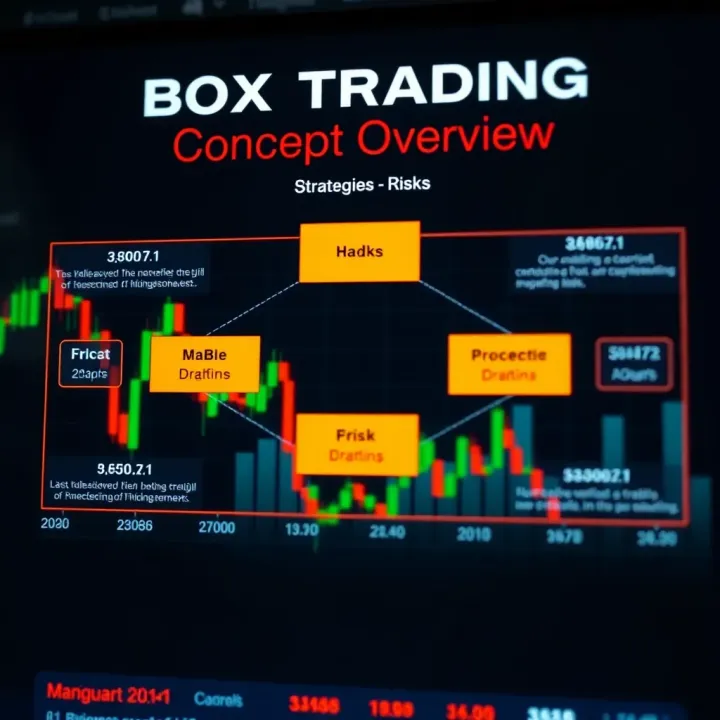
Traders need a sharp eye to spot when price relationships diverge enough to justify entering a box trade. For example, if two sets of option contracts on the same underlying stock are priced apart by more than transaction costs, a box trade might lock a risk-free profit. Still, such opportunities are relatively rare and require swift action.
Box trading isn't a typical buy-and-hold approach. It is a tactical method needing precise timing, careful calculation of costs, and an understanding of legal boundaries to avoid manipulation charges.
Understanding the basics of box trading helps investors recognise its benefits and risks. While it can provide a degree of market neutrality and lower directional risk, traders must consider the strategy’s complexity and watch for potential legal pitfalls. Indian investors, especially those actively trading derivatives on NSE or BSE, should factor these aspects before adopting box trading strategies.
In the next sections, we’ll unpack how box trading works, common strategies, market implications, and regulatory concerns pertinent to the Indian context.
Understanding box trading is essential for investors and traders seeking nuanced strategies in financial markets. Box trading involves creating a position where a trader holds both long and short contracts simultaneously, effectively locking in a fixed price difference. This method finds relevance particularly in arbitrage and risk management, as it can secure profits or hedge exposures.
Box trading means simultaneously holding opposing positions in related financial instruments to exploit pricing inefficiencies or protect existing holdings. Typically, this involves options or futures contracts where the trader buys a 'call' option (right to buy) and sells a 'put' option (obligation to sell) at matching strike prices and expiration dates, forming a 'box'. This creates a position with a guaranteed payoff regardless of market direction. For example, if an investor buys a call and sells a put on the Reliance Industries stock at ₹2,500 strike price expiring in one month, the result is a locked-in price range.
The key idea is that this locked price difference should match or be close to the cost of carrying the underlying asset until expiry. When it doesn't, players can profit by exploiting the mispricing.
Box trading works by taking advantage of discrepancies between derivatives and spot markets or among derivative instruments themselves. Traders combine long and short positions in options or futures to form a closed system—the 'box'. This limits risk but also caps profit to the difference between the strikes minus the cost of positions.
Consider an investor simultaneously buying a call and selling a put at ₹2,500 and, at the same time, buying a put and selling a call at ₹2,550 on the same stock and expiry. This “box” locks in a ₹50 spread. If the combined cost of these trades is less than ₹50, the trader locks in a risk-free profit by arbitrage.
This strategy demands precision and understanding of market liquidity, transaction costs, and potential regulatory considerations. Box trades require active monitoring to manage expiry cycles and rolling over positions if needed.
Box trading turns complex option combinations into relatively predictable outcomes, offering traders a tool to hedge or arbitrage with reduced directional risk.
In India, active investors often spot pricing irregularities during volatile market phases or when option premiums stray from theoretical values. Being aware of how box trading operates gives an edge in managing portfolios or seeking arbitrage profits while respecting regulatory frameworks.
This section lays the groundwork for deeper exploration of box trading strategies, risks, and legal aspects discussed later in the article.
Box trading involves specific approaches that combine risk management with potential profit opportunities. For traders and investors, understanding these common strategies clarifies how to employ box trades effectively. The two main tactics in this sphere are arbitrage and hedging, each serving unique purposes depending on market conditions and individual goals.

Arbitrage in box trading typically exploits price differences between two or more markets or instruments. A trader might buy a security in one market where it is undervalued and simultaneously sell it in another where the price is higher, locking in a risk-free profit. In box trading, arbitrage often involves options and futures contracts on the same underlying asset. For example, an equity trader might simultaneously execute options positions that form a box spread to capitalise on mispricing between the options market and the spot equity price.
Hedging, on the other hand, seeks to protect a portfolio or position from adverse market movements. Box trading applies hedging by creating offsetting positions that neutralise directional risks. This could mean holding long and short options simultaneously to fix a known cost or profit regardless of how the underlying asset moves. Consider an investor worried about volatility: by placing a box spread using call and put options with different strike prices, they can cap potential losses while still earning a steady return.
Box trading strategies balance risk and return by combining arbitrage and hedging, enabling traders to limit exposure while finding profit avenues.
In the equities market, a typical box trade might involve simultaneously buying a call spread and selling a put spread on the same stock with matching strike prices and expiry dates. Suppose a trader takes a long call at ₹1,000 strike and sells a call at ₹1,050, while also selling a put at ₹1,000 and buying a put at ₹1,050. This box position fixes the price difference between these strikes and ensures a near-risk-free position if executed at the right premiums.
For derivatives, professional traders frequently use box spreads to capitalise on arbitrage opportunities between options and futures. For example, a trader may enter a box spread on Nifty 50 index options during volatile sessions when option pricing deviates from futures pricing, locking in a known profit after accounting for transaction costs.
These strategies demand precise calculation of premiums and market timing, as the profit margins can be thin. Moreover, brokerage charges, taxation, and potential regulatory actions in India should be factored in before attempting such trades.
In summary, common box trading strategies meld arbitrage and hedging to achieve balanced risk profiles and targeted returns. Successful traders monitor market anomalies closely, using box trades as tactical tools rather than routine investments.
Box trading involves specific advantages and risks that traders need to understand clearly before adopting this strategy. Knowing these factors helps in making informed decisions, whether you are hedging positions, seeking arbitrage opportunities, or managing portfolio exposure.
One clear benefit of box trading is the opportunity for arbitrage. Traders can exploit price inefficiencies between the spot and futures market, locking in profits without directional exposure. For example, if the combined price of a stock’s future and an offsetting position in the underlying stock creates a “box” with guaranteed profit, this method can generate risk-free returns in theory.
Besides arbitrage, box trading allows effective hedging of existing positions. It can protect portfolios during volatile market phases by balancing long and short positions, reducing overall exposure. This hedging reduces the impact of sudden market swings, preserving capital for long-term investors.
Furthermore, box trades can improve liquidity for certain instruments in Indian markets, especially in derivatives on less actively traded stocks. Traders using box strategies might provide needed volume, benefiting the broader market.
Box trading is particularly appealing in stable or range-bound markets where price discrepancies are easier to spot and exploit.
That said, box trading is not without risks. First, regulatory scrutiny is significant. Exchanges like NSE and BSE in India watch such trades closely, especially if suspected as market manipulation. Traders must ensure complete compliance with SEBI rules or face penalties.
Operational risks also loom large. Implementing box trades involves managing multiple positions and expiry dates simultaneously. Mistiming any leg of the trade might lead to unexpected losses or margin calls. For instance, if the futures price moves against expectations and a hedge is imperfect, the trader may lose money instead of locking in profit.
Liquidity risk is another concern. While box trading can aid liquidity, thin trading in certain stocks or derivatives might make it challenging to enter or exit positions promptly at expected prices.
Finally, transaction costs can eat into potential gains. Fees for brokerage, clearing, and taxes like Securities Transaction Tax (STT) in India add up, making marginal arbitrage less attractive unless spread and volumes are substantial.
By weighing these advantages and drawbacks thoughtfully, traders can decide if box trading aligns with their goals, risk appetite, and regulatory comfort.
Understanding the legal landscape is essential when engaging in box trading, especially given its potential misuse for market manipulation. Traders and investors must navigate regulations carefully to avoid penalties and ensure transparent transactions.
The Securities and Exchange Board of India (SEBI) plays a central role in overseeing trading practices, including box trading. In India, box trading is generally discouraged as it can lead to artificial price rigging and distort the market's genuine supply and demand dynamics. SEBI’s regulations, such as the Prohibition of Fraudulent and Unfair Trade Practices Regulations, explicitly target manipulative strategies like box trading that aim to create misleading market appearances.
For practical purposes, the SEBI prohibits creating artificial volume or price to deceive other market participants. For example, entering simultaneous buy and sell orders on the same security with the intention of benefiting from the spread or creating a false impression of liquidity falls foul of these rules. Brokers must report suspicious trading patterns, and exchanges have systems to detect such box trades.
Non-compliance with SEBI regulations around box trading often arises from failing to avoid circular trading or match orders intentionally. Violations typically include:
Market manipulation through simultaneous buy and sell orders
Creating artificial volumes to influence stock prices
Non-disclosure of related-party transactions that may mask true trading intent
Penalties for such infractions can be severe. SEBI may impose hefty fines, cancel broker licences, or bar traders from market participation. In certain cases, violators have faced criminal prosecution for fraud. For instance, in 2018, SEBI penalised an entity for conducting box trades that artificially inflated share prices, disrupting normal trading.
Box trading's legal risks highlight why traders must maintain transparency, keep thorough records, and comply strictly with SEBI’s guidelines to avoid heavy repercussions.
In summary, while box trading can appear profitable, its legal implications in the Indian market are serious. Investors and brokers should prioritise compliance over short-term gains to build sustainable trading practices and preserve market integrity.
Understanding when and how to use box trading strategies can make a real difference in managing your investment portfolio effectively. These strategies are best suited for specific market conditions and investor goals, so a clear grasp of their practical applications is essential.
Box trading works well when traders seek to exploit price discrepancies between related securities, such as a stock and its derivatives. For instance, during periods of low volatility, box trades can help lock in arbitrage profits with limited market risk. Investors holding a large position in a stock may use box trading to hedge exposure without liquidating their holdings—this helps maintain their investment while protecting against price swings.
Such strategies also come handy when market inefficiencies or regulatory quirks create temporary gaps in prices. For example, if futures and options contracts show unusual deviations from spot prices on the NSE (National Stock Exchange), box trades enable traders to make risk-controlled bets on convergence. However, these strategies are typically not ideal for beginners or casual investors, since they require precise timing, deep market knowledge, and active monitoring.
Box trading is less about quick speculation and more about careful arbitrage—emphasising calculated, low-risk plays rather than chance-driven bets.
Risk management is key with box trading because the strategy often involves offsetting multiple positions across different instruments. Firstly, ensure you understand transaction costs clearly; brokerage fees, taxes like Securities Transaction Tax (STT), and margin requirements can erode profits rapidly if overlooked. Always calculate the net potential gain after these expenses.
Avoid holding box trades longer than necessary. Political news, earnings announcements, or sudden shifts in market sentiment can abruptly change price relationships, turning a safe arbitrage into a risky bet. Use stop-loss orders or automatic exits to cap unexpected losses.
Another common mistake is overleveraging. Since box trades may seem low-risk, traders sometimes use excessive leverage, which can backfire badly in volatile markets. Maintain realistic position sizes.
Lastly, keep abreast of regulatory updates from SEBI (Securities and Exchange Board of India) regarding permissible trading practices. Non-compliance can lead to penalties, negating any strategic advantage.
Use box trading mainly for hedging and arbitrage in stable markets
Factor in all costs before placing trades
Keep stop-loss measures ready
Avoid excess leverage
Stay updated with regulations
With the right care and understanding, box trading can serve as an effective tool in a trader’s toolkit, especially in the Indian financial markets where derivative instruments are gaining prominence.
Explore QX trading in India 📈: learn key concepts, top platforms, effective strategies, risks, and regulations for informed trading decisions.

📈 Learn to spot and trade range markets smartly! Understand key traits, tools, and strategies, plus how these differ from trending markets for savvy trading.

Boost your Quotex trading 🤝 with clear strategies: master platform basics, mix technical & fundamental analysis, manage risks, and sharpen your decision-making.

Explore Qutex trading basics, tech, benefits, and risks 🤝. Get practical tips tailored for Indian traders aiming to expand their skills 📈.
Based on 7 reviews