

Reliance Industries' Market Share Outlook 2030
📈 Explore Reliance Industries' market share by 2030, focusing on strategies, tech growth, and India's economic shifts shaping its future landscape.
Edited By
Lucas Walker
Demo share market apps offer a practical way for beginners and even seasoned traders to familiarise themselves with stock trading without risking real money. These platforms simulate live market conditions, reflecting the fluctuating prices of shares listed on Indian exchanges like the National Stock Exchange (NSE) and Bombay Stock Exchange (BSE).
By using virtual money, users can buy and sell stocks, commodities, and sometimes derivatives, observing how their decisions affect portfolio value over time. This hands-on experience is invaluable for understanding market mechanics, trends, and the impact of news or economic events on prices.
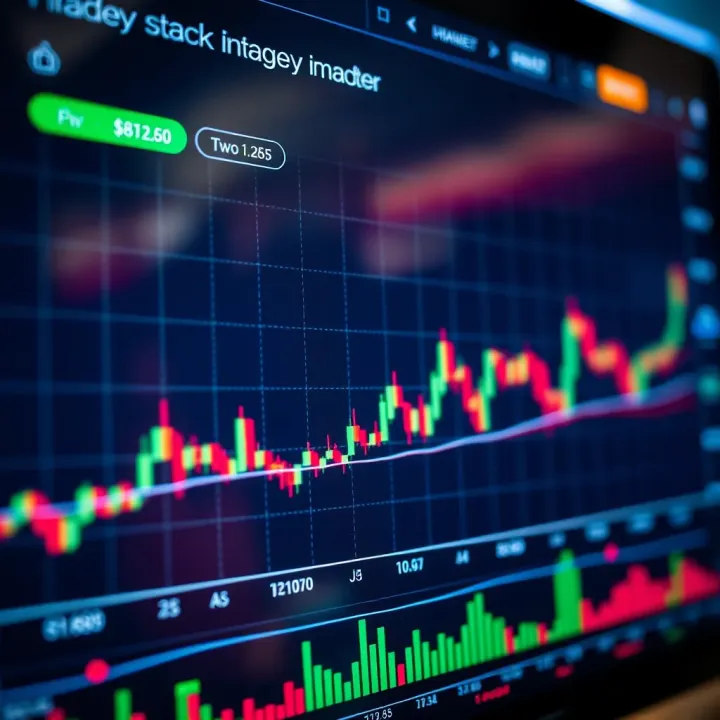
For example, a user practising on a demo app might invest ₹10 lakh of virtual funds in Infosys or Reliance Industries shares. As the simulated market ticks by, they can track profits, losses, and overall portfolio growth, all without financial risk. This helps build confidence and refines strategies before committing real capital.
Practising with demo apps removes the fear factor in trading, allowing you to learn from mistakes and optimise approaches safely.
Most demo apps replicate the order types available in live markets, such as market orders, limit orders, and stop-loss orders. This ensures that users get a realistic sense of executing trades and managing risk. Some apps also provide live feeds, charts, and technical indicators to analyse price movements.
In India, popular demo platforms include Zerodha’s Kite, Upstox Pro, and apps like Moneycontrol, which offer virtual trading features. These tools align with local market nuances, including trading hours, stock availability, and market holidays, making them ideal for Indian traders.
Using demo apps consistently can help you:
Understand the basics of stock market functioning
Test various trading strategies without monetary risk
Improve timing for entering and exiting trades
Get familiar with brokerage platforms before investing real money
Learn to manage emotions like fear and greed during trading
Rather than rushing into live trading, leveraging demo apps is a smart step for anyone serious about stock trading in India. It builds the necessary skill set and market savvy, reducing the chances of costly errors when you finally enter the live market.
In the following sections, we will explore how these apps work in detail, their specific benefits, and tips to get the most from your virtual trading experience.
Demo share market apps provide a practical platform where users can experience stock trading without real financial risks. By replicating actual market environments, these apps enable aspiring traders to understand how the stock market functions and refine their trading skills. This section explores the mechanics behind these apps, focusing on how they simulate real market conditions and use virtual money for trading.
These apps feed users with actual market data sourced from recognised exchanges like NSE and BSE. This means every stock’s price movements, indices, and market statistics reflect the genuine market fluctuations. For instance, if Tata Motors shares rise by 2% on a trading day, the demo app shows this change instantly. This approach helps users learn how market forces impact stock prices in real life.
Most demo apps offer live price updates throughout the trading session. They fetch streaming prices so users see stocks’ buy and sell rates changing every second, just like a live market. This is particularly important when practising intraday trading or timing orders, as price volatility is crucial. Without such updates, trading would feel unrealistic and fail to prepare the user adequately.
In demo trading, users place orders which the system matches internally, mimicking the actual order book of the market. While no real exchange matching occurs, the app simulates how market orders get fulfilled based on current prices and available volume. For example, if you place a buy order for 100 shares of Reliance at the market price, the app executes it instantly or waits for a suitable price, replicating real execution delays and partial fills as in live trading.
Users typically start with a fixed virtual capital, commonly around ₹10 lakh or ₹20 lakh, which allows ample room to experiment with different trades. This virtual fund behaves like real money but carries no financial implication. For example, you might buy shares worth ₹2 lakh and still have ₹8 lakh to explore other stocks. Setting this initial amount helps traders manage risk and test various portfolio sizes.
Demo apps track every trade, updating the portfolio's value constantly to show gains and losses. This helps users analyse which strategies work and understand how market fluctuations affect their holdings. For example, if your virtual portfolio drops by 5% after a sharp market fall, you see the effect firsthand, which teaches risk management and patience.
Though virtual money replicates trading dynamics, it lacks the emotional weight of risking real capital. Thus, users might make riskier trades in demo mode than in live markets. Additionally, demo apps may not account for all trading costs like brokerage, taxes, or slippage that real traders face. Therefore, while demo trading builds skills, it cannot fully simulate the psychological and financial realities of live trading.
Practising in a demo app lays the groundwork, but transitioning to real trading requires understanding that market conditions remain the same, while stakes and emotions increase significantly.

By comprehending how demo apps operate—with real market data, live pricing, realistic order execution, and virtual funds—aspiring traders get a hands-on, risk-free experience. This prepares them better for the challenges of actual share market trading.
Demo share market apps come with several benefits, especially for new traders eager to understand how the market works without risking real money. These platforms offer a safe space to learn, experiment, and build skills, which are essential before entering live trading. Let’s break down these advantages in detail.
Understanding stock market basics is often a confusing first step for many. Demo apps simplify this by providing a hands-on experience with the live market environment. For instance, a beginner can see how buying and selling shares work, how prices fluctuate throughout the day, and how different factors like news or market sentiment affect stock movements. This practical exposure helps build a solid foundation, unlike just reading textbooks or watching videos.
Testing trading strategies safely is another key benefit. Traders can try various approaches—be it day trading, swing trading, or value investing—without worrying about financial loss. If a strategy doesn’t work, they learn why and can adjust accordingly. For example, someone might try a momentum trading strategy on a demo app and notice that it requires quick decisions and close attention to market signals before applying it in the live market with real capital.
Practising order placement and timing is crucial. Even if you understand theory, executing buy or sell orders at the right moment can be tricky. Demo apps let you place limit orders, market orders, and stop-loss orders, so you gain a feel for how each works under various market conditions. This way, when you later trade with real money, you are less likely to panic or make errors under pressure.
Analysing market trends and charts is an essential skill for traders. Through demo apps, you get access to Indian market data, technical indicators, and chart patterns to study price behaviour. For example, you can learn how to spot a head-and-shoulders pattern or use moving averages to predict potential price movements. This practice helps sharpen your analysis skills without the stress linked to actual financial stakes.
Practising on a demo app is like a dress rehearsal before the real performance. It reduces mistakes and builds the confidence needed to trade wisely in the fast-moving Indian stock markets.
By using demo share market apps, traders acquire practical knowledge, improve discipline, and test their strategies in a risk-free environment, making their transition to live trading smoother and more informed.
Demo share market apps have made it much easier for aspiring traders in India to get a hang of stock market trading without risking actual money. These apps provide platforms that mimic real trading scenarios, helping users gain hands-on experience. Knowing the popular options available in India helps you pick the right one for your learning style and goals. Besides the features, ease of use and integration with live accounts are key factors to consider.
Features and usability: Zerodha Varsity is known for its exhaustive educational content paired with a trading platform that offers a simple demo mode. The app stands out thanks to its user-friendly interface, which caters both to beginners and experienced users. It provides access to real-time market data, so your practice trades closely reflect live market conditions. This combination allows users to learn theory and apply it simultaneously.
Integration with live trading accounts: Zerodha makes it easy to transition from demo to live accounts because the demo platform shares the same layout and features as their actual trading app, Kite. This helps reduce the learning curve when you begin live trading. The seamless integration means you can test strategies in the demo before risking money, and then execute them live with confidence. Such continuity is valuable for building trading skills gradually.
User experience: Upstox Pro offers a clean, fast interface with demo trading capabilities that replicate live markets. Many users appreciate how the app handles order placements and updates in real time, which is vital for practising timely decisions. The app supports multiple chart types and indicators, so traders can explore technical analysis comfortably.
Learning resources: Apart from the demo system, Upstox provides tutorials and videos focusing on market basics and trading strategies. This blend of demo trading with learning materials lets beginners grasp concepts better. It guides users step-by-step, making the journey from novice to more confident trader a lot smoother.
Angel Broking: Angel Broking’s app includes a strong demo trading feature alongside educational videos. It stands out with its smart advisory tools powered by AI, which help new traders understand market trends and stock suggestions even while practising on the demo platform.
5Paisa: Offering a low-cost brokerage model, 5Paisa also supports demo trading with a straightforward app design. Its platform is good for users who want to test both intraday and delivery trades, as it offers quick order execution and real-time updates on demo accounts.
Tradesmart Online: Tradesmart Online focuses on technical analysis tools in its demo app, suitable for users keen on chart-based trading methods. It offers flexible order types and detailed reporting on demo trades, which helps users analyse their decisions clearly.
Choosing the best demo share market app comes down to how well its features and resources align with your trading goals and how comfortable you feel with its interface. Popular Indian platforms like Zerodha, Upstox, Angel Broking, 5Paisa, and Tradesmart Online each have something valuable to offer for those starting out in stock trading.
Demo trading offers a great chance to build trading skills without risking real money. However, to truly benefit, you must approach demo trading seriously, treating it as if real capital is at stake. This mindset helps develop discipline and emotional control, both vital for successful trading.
Discipline and emotional control play a significant role in trading, whether demo or live. When practising on a demo app, it's easy to become careless because the money isn't real. Still, maintaining discipline by following your trading plan and resisting impulsive decisions will prepare you for actual markets, where emotions like fear and greed come into full play. For instance, if you commit to buying only when a stock breaks its resistance level, stick to it in the demo environment itself.
Emotional control also means handling losses without panic. Demo trading lets you experience gains and losses in a safe setup, training you to stay calm during market swings. This skill becomes crucial once you transition to live markets where real money matters.
Recording trades for review is another key step. Keep a trading journal or spreadsheet detailing each trade's rationale, entry and exit points, profit or loss, and lessons learned. This habit helps identify patterns in your decision-making and highlights areas needing improvement. For example, if you notice repeated losses during intraday trades, you might decide to adjust strategy or risk management before going live.
Reviewing your trades regularly improves your awareness and fine-tunes your approach. It also helps build accountability by forcing you to justify your decisions rather than trading randomly.
Long-term investing versus intraday trading represent two broad approaches you should explore via demo trading. Long-term investing involves buying shares and holding them for months or years, banking on company growth and dividends. Intraday trading, on the other hand, requires quick buy-sell decisions within the same day to profit from small price moves.
Using demo apps, you can test how these strategies suit your temperament and goals. Someone comfortable with rapid decision-making might prefer intraday trading, while a more patient investor could focus on longer-term holdings. Trying both helps you understand their different demands and risks.
Using technical and fundamental analysis is also essential to master. Technical analysis studies price charts, patterns, and indicators to predict short-term movements. Fundamental analysis looks at company financials, sector trends, and economic data to assess share value for longer-term holding.
Demo platforms typically offer charting tools and access to company information, allowing you to practise both types of analysis. Applying these methods will sharpen your ability to make informed trading choices aligned with your selected strategy.
Approaching demo trading with seriousness, detailed record-keeping, and diverse strategy testing paves the way for a smoother transition to live markets.
By following these tips, you can maximise what demo trading offers and enter the live markets confident and well-prepared.
Moving from practising on demo share market apps to actual live trading marks a significant shift for aspiring traders. Demo platforms provide a risk-free environment, but live markets introduce real stakes, emotions, and consequences. Understanding this transition helps traders prepare mentally and financially to avoid costly mistakes and manage expectations effectively.
One major challenge when switching to real trading is handling emotions. In demo mode, losses don’t hurt financially, so traders may take risks or ignore market signals. However, when real money is involved, fear and greed come into play, influencing decision-making strongly. For example, hesitation to cut losses or overconfidence in certain stocks can affect outcomes adversely.
These emotional factors can lead to impulsive trades or paralysis in decision-making. Successful traders learn to manage these feelings through disciplined strategies and maintaining a trading journal to review their mistakes and successes honestly.
In live trading, preserving capital is key. Unlike demo apps that offer unlimited virtual funds, real trading requires stringent risk management. This includes deciding how much total capital to invest and setting strict limits on losses per trade, often suggested around 1-2% of the trading capital.
For instance, if a trader starts with ₹1 lakh, risking more than ₹1,000-2,000 per trade can expose them to heavy losses. Responsible capital management ensures longevity in trading and reduces the chances of wiping out an account due to a few bad decisions.
Choosing a reliable broker is critical when stepping into live trading. Traders should look for factors such as low brokerage fees, quick and user-friendly platforms, transparent terms, and solid customer service. For example, Zerodha, Upstox, and Angel Broking have gained popularity due to competitive charges and robust trading apps.
Additionally, features like margin facilities, availability of research reports, and access to educational content can be deciding factors. Verifying a broker’s regulatory licences and reviews help in avoiding scams or poor service experiences.
It's wise to begin live trading with a small amount rather than investing a large sum immediately. Trading with modest amounts helps acclimatise to market volatility without severe financial stress. Gradually increasing investment as confidence and skill improve is a common approach.
For example, a trader might start with ₹10,000 or ₹20,000 and observe how well they stick to their strategy and control emotions. This step-by-step approach reduces pressure and builds a strong foundation for scaling up investments in future.
Transitioning carefully from demo to live markets improves a trader's chances of long-term success, blending technical know-how with emotional and financial discipline.
📈 Explore Reliance Industries' market share by 2030, focusing on strategies, tech growth, and India's economic shifts shaping its future landscape.

📈 Discover real trade apps: key features, benefits, how to pick the right one with strong security, easy interface, diverse options & compliance. 🔒💹

📈 Learn to spot and trade range markets smartly! Understand key traits, tools, and strategies, plus how these differ from trending markets for savvy trading.

Explore Qutex in depth: understand its definition, features, practical uses, benefits⭐ and applications across different fields📊 for smarter tech insights!
Based on 14 reviews