

Understanding Range Markets in Trading
📈 Learn to spot and trade range markets smartly! Understand key traits, tools, and strategies, plus how these differ from trending markets for savvy trading.
Edited By
Sophia Bennett
One growing risk in India's digital economy is fake trading apps that trick investors by posing as real platforms. These apps lure users with promises of high profits or easy trading but aim to steal personal information or money. Understanding how these schemes work helps traders and advisors spot them before suffering losses.
Fake trading apps often imitate popular brokers and exchanges, using similar logos and interfaces. However, they typically lack proper registration with regulatory bodies like the Securities and Exchange Board of India (SEBI). Instead, they persuade users to deposit funds which then disappear or become impossible to withdraw.
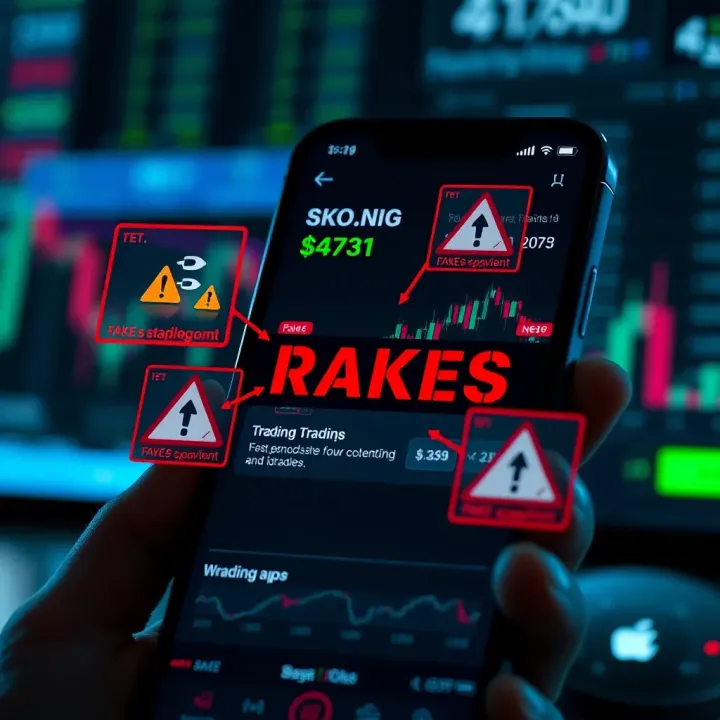
Beware: Fake trading apps may bombard you with aggressive promotional messages or unrealistic returns to convince quick investment, a classic red flag.
Common warning signs include:
No listing on credible app stores or poor user reviews highlighting withdrawal issues
Requests for unusually high initial deposits or personal details beyond standard KYC (Know Your Customer)
Lack of transparency about the company or regulatory registration details
Victims often face financial loss and data breaches, compromising their bank accounts and identity. Fake apps may also manipulate displayed profits to encourage more investments.
By staying informed about these tactics and verifying app credentials, traders can protect their funds and personal data. Regularly check official SEBI notices and confirm apps through known brokers. When suspicious, avoid sharing passwords or sensitive information.
Keeping your mobile device updated and running reliable security software reduces risks. And reporting suspected fake apps to authorities and app stores helps curb this fraud.
This section lays the groundwork for recognising fake trading apps and understanding why vigilance is necessary. Subsequent parts will cover in-depth identification methods, prevention tips, and steps to take if you encounter such scams.
Understanding fake trading apps is crucial for anyone involved in digital investments today. These apps mimic legitimate trading platforms but behind the scenes, they exploit users through deceptive practices. Recognising their tactics helps traders, analysts, and investors protect their funds and avoid falling into traps designed specifically for unsuspecting users.
Fake trading apps are software applications that appear to offer genuine trading services but are created primarily to defraud users. Their purpose is to lure investors with promises of easy profits, then manipulate transactions or block withdrawals, ultimately stealing the invested money. For example, a fake app might claim to provide access to popular Indian stock markets or commodity trading but does not execute real trades.
These apps often target users who are new to digital investments, exploiting their lack of familiarity with legitimate platforms. In recent years, the rise of mobile trading in India has led to an increase in such fraudulent apps, aiming to capitalise on the growing appetite for investments in equities, mutual funds, and cryptocurrencies.
One common tactic fake trading apps use is promising very high returns within short periods. These platforms may advertise daily gains of 5-10% or even more, figures that are rare in genuine trading scenarios. For instance, an app might show unrealistic profit charts or send push notifications highlighting supposed lucrative deals to tempt users into investing larger sums.
This lure of quick money appeals especially during times when many are looking for fast financial growth, but such offers should raise immediate red flags. Authentic trading comes with risks and market fluctuations, so any promise that guarantees unusually high profits with no risk is likely deceptive.
Fake trading apps often manipulate their user interfaces to create an illusion of active trading and profits. They may display fictitious transactions, account balances that grow rapidly, or fake trade executions. For example, a user might see their portfolio balance increasing overnight, making it feel like their investments are doing well, even though no real market activity happens.
This manipulation not only misleads but also builds false trust, encouraging users to withdraw larger amounts or invest more money. When users attempt to cash out, these apps stall withdrawals indefinitely or ask for additional deposits. This behaviour highlights the artificial nature of the transactions and underlines the importance of verifying the app’s credibility before investing.
Another tactic involves creating a sense of urgency using phishing attempts and social engineering. Fake trading apps might send messages urging users to invest quickly to grab limited time offers or warning of account suspension if no action is taken. These pressure tactics are designed to rush users into decisions without thorough checks.
Sometimes, these apps request sensitive information like bank details or One-Time Passwords (OTPs) under the pretext of verification or unlocking bonus funds. Such phishing attempts can compromise users’ personal and financial data beyond investment losses. Staying cautious when apps push for hurried actions or ask for confidential data is crucial to avoid falling victim.
Recognising these signs early can prevent substantial financial and data losses. Always invest time in checking app credentials and reviews before committing money.
In sum, fake trading apps combine greedy promises, interface tricks, and psychological pressure to trap users. Awareness of their strategies is a practical first step toward safer digital investing in India's fast-expanding financial ecosystem.
Recognising clues that reveal a trading app is fake can save you from serious financial loss and frustration. Fake apps are growing more sophisticated, so staying alert to their telltale signs is essential. This section breaks down the key warning signals, helping investors and traders avoid falling into their traps.

The first red flag often appears in app stores. Fake trading apps frequently have poorly translated descriptions, unusual permissions requests, or missing details about features. The developer names might be generic or different from well-known firms. For example, if the genuine app is by "ABC Securities," but the listing shows "ABC Tradez," that’s suspicious.
Reviews provide more insight: fake apps usually have either very few reviews or an odd mix of all five-star and one-star ratings, which often suggests manipulated feedback. Some reviews might seem generic or copied, and users may complain about withdrawal problems or unexpected charges. Carefully reading app reviews and developer responses can help you spot inconsistencies before downloading.
Legitimate trading apps in India must comply with regulations set by the Securities and Exchange Board of India (SEBI). When an app claims to offer trading services, verify whether its associated brokerage or company is SEBI-registered. The official SEBI website provides a list of registered entities—cross-checking this is practical and necessary. An absence of a valid SEBI registration number or license is a major warning sign.
Without SEBI approval, an app cannot legally facilitate securities trading. Using unlicensed apps exposes you to scams, lack of consumer protection, and no proper grievance redressal mechanisms. Hence, always confirm regulatory credentials before investing.
Fake trading apps often lack transparency about the company behind them. Authentic apps display clear contact details, physical office addresses, customer support numbers, and corporate registration data. If such information is missing, vague, or unverifiable, it suggests the app’s creators might be hiding their identity to avoid accountability.
Be wary if the app only provides an email or chat option without phone support or official addresses. Lack of a verifiable corporate website or social media presence further signals potential fraud. Authentic companies rely on transparency to build user trust.
One common scam tactic is blocking or delaying withdrawal requests. Fake trading apps may allow deposits smoothly but create hurdles when you try to cash out, such as repeated verification demands, app glitches, or outright refusal. This traps your money within the app.
If you notice prolonged withdrawal delays or excuses, stop all transactions immediately. Chat transcripts or customer service emails repeatedly promising resolution but never delivering are a hallmark of fraudulent platforms.
Unsolicited pressure to invest more money or to make frequent deposits is another warning sign. Fake apps often use pop-ups, messages, or calls pushing users to commit higher amounts urgently, sometimes citing limited-time offers or insider tips.
Such aggressive tactics are uncommon with genuine brokerages, which respect client decisions. Watch out for apps that don’t let you proceed without additional deposits or apply penalties for inactivity.
Legitimate trading platforms keep accurate records of trades, profits, and losses. Fake apps may show inflated balances, sudden unexplained gains, or discrepancies between your actual wallet balance and the app’s records.
Check your bank or payment app statements against the app’s transaction history regularly. Any mismatch or transactions not reflected outside the app indicate manipulation.
Carefully recognising these warning signs can prevent big money losses and emotional stress. Always trust your instincts and verify critical app details before investing.
Fake trading apps often leave a trail of damage that goes far beyond just money lost. Their impact touches financial stability, emotional well-being, and even shakes trust in India’s digital trading ecosystem. It’s vital to grasp these effects to recognise the risks fully and take protective steps.
India has witnessed a surge in fraud linked to fake trading apps, with losses often running into lakhs for unsuspecting investors. For instance, Anand, a middle-class salaried employee from Pune, invested ₹3 lakh through a seemingly genuine trading app. The app displayed impressive returns initially but later blocked his withdrawal requests. His case is not unique; many end up locking funds in apps that vanish overnight or siphon money without permission. Scams frequently involve fake transactions, making it hard for users to track what really happened with their investments.
The financial hit is just one side of the coin. People deceived by fake apps often experience stress, anxiety, and loss of confidence in managing their finances. Riya, a young investor from Chennai, shared how the ordeal left her hesitant to trust any digital platform again, affecting both her personal and professional life. Such scams can cause insomnia, depression, and a feeling of helplessness, particularly when victims struggle to recover their money or fear further identity theft.
When fake trading apps scam users, they also tarnish the reputation of legitimate platforms. This distrust slows India’s fintech growth and discourages people from trying digital trading. Many hesitate to download apps even from trusted sources, fearing hidden traps. Restoring confidence demands stringent regulation, better consumer education, and prompt action against fraudulent entities to protect honest traders and encourage safer investment environments.
Users must remain alert, verify credentials carefully, and report suspicious apps. Knowing the real impact shows why vigilance and informed decisions matter in today’s evolving digital market.
By understanding these impacts, traders, analysts, advisors, investors, and brokers can better safeguard themselves and others from falling into fake app traps.
Protecting yourself from fake trading apps starts with being able to spot them early and adopting habits that reduce your risk exposure. This part explains how to verify an app's authenticity and maintain safe investment practices. Understanding these steps helps prevent financial losses and secures your personal data in India's fast-growing digital market.
Using official app stores like Google Play Store or Apple App Store is the first line of defence. These platforms conduct some level of scrutiny before approving apps, so downloading from here reduces risk. Always check the app developer's name and their other published apps. For example, a genuine brokerage app from Zerodha or Upstox usually shows official branding and consistent developer information, unlike fake apps that use generic developer names or strange addresses.
Confirming regulatory compliance is equally important. The Securities and Exchange Board of India (SEBI) and Reserve Bank of India (RBI) regulate trading platforms and payment services respectively. Before investing through an app, verify if it holds valid registrations or licences issued by these authorities. Genuine platforms openly display their SEBI registration number and RBI approval. If this information is missing, it should raise suspicion. Regularly visiting official sites of SEBI and RBI can help verify these credentials.
Start your trading experience with small investments, especially when using a new or unfamiliar app. This limits potential financial damage if the platform turns out to be fraudulent. For instance, if a newly launched app promising high returns requests ₹10 lakh as first deposit, reconsider. Begin with a manageable amount like ₹5,000 or ₹10,000 while evaluating the platform’s reliability.
Cross-checking offers and reading user feedback from multiple sources is another key habit. Fake trading apps often promote unrealistic bonuses or assured profits. Instead of falling for glossy ads, consult forums, social media groups, or financial advisory websites to see real user reviews and complaints. Verified user experiences can reveal hidden issues such as withdrawal difficulties or poor customer support.
Finally, avoid unsolicited trading advice and pressure sales tactics often used by fraudsters. If you receive calls, messages, or emails urging you to deposit more money urgently, or promising guaranteed returns without risk, be wary. Legitimate brokers never rush clients or demand funds immediately without proper documentation. Staying calm and questioning such approaches protects you from falling into their trap.
Checking an app’s developer details and verifying regulatory compliance can save you from major losses. Coupled with cautious investing and avoiding high-pressure sales, these practices build a strong shield against fake trading apps.
Taking action against fake trading apps is crucial to protect yourself and others from financial scams. Reporting these apps helps authorities track fraudulent activities and potentially remove such apps from platforms, reducing risks for other investors. It also aids regulators in strengthening their oversight and security measures within India’s digital investment ecosystem.
The Securities and Exchange Board of India (SEBI) plays a central role in regulating trading activities and ensuring investor protection. If you notice a fake trading app, reporting it directly to SEBI can prompt a formal investigation. SEBI has a dedicated investor grievance redressal mechanism where complaints about unregulated platforms can be filed. Additionally, cybercrime cells at the state and central levels address digital fraud cases. Filing a complaint with them is useful especially when personal data theft or financial fraud occurs through such apps.
By reaching out early, you can alert regulators about specific apps and provide evidence such as screenshots or transaction details. This often leads to quicker actions like blocking these apps on Google Play or Apple App Store, which prevents new victims.
The Indian Computer Emergency Response Team (CERT-In) handles cybersecurity issues and helps mitigate cyber threats. Reporting fake trading apps to CERT-In allows the organisation to issue advisories and coordinate with service providers to tackle scams. CERT-In also helps users with guidance on securing devices after exposure to fraudulent apps.
Besides regulatory bodies, consumer complaint portals such as the National Consumer Helpline provide a platform for victims to raise concerns about deceptive apps. These portals register complaints officially and guide users on legal recourse or mediation, if needed.
Once you suspect exposure to a fake trading app, immediately update your login credentials, especially for trading accounts, mobile banking, and email. Use strong, unique passwords combining letters, numbers, and symbols. Avoid using the same password across multiple apps or websites.
Securing your mobile device itself is essential. Remove suspicious apps, update your operating system regularly, and use reliable antivirus software tailored for Android or iOS devices to prevent malware infections. Enabling two-factor authentication (2FA) wherever possible further tightens security.
Frequent monitoring of your bank statements and trading account activities helps in spotting unauthorised transactions early. Set up SMS or email alerts for financial transactions on your bank app and trading platforms like Zerodha or Upstox. This instant notification can alert you if someone attempts a transaction without your approval.
If you notice anything unusual, immediately contact your bank and broker to flag the transaction and block your account temporarily if necessary. Early detection limits the financial damage and gives you a better chance to recover lost funds.
Staying vigilant and proactive after encountering fake trading apps can save you from deeper losses and strengthens overall investor confidence in India’s digital trading environment.
📈 Learn to spot and trade range markets smartly! Understand key traits, tools, and strategies, plus how these differ from trending markets for savvy trading.

Explore Qutex trading basics, tech, benefits, and risks 🤝. Get practical tips tailored for Indian traders aiming to expand their skills 📈.

Explore RBI-approved trading apps in India 📱! Learn about secure platforms, key features, and regulatory tips for confident investing in the stock market.

Explore QX trading in India 📈: learn key concepts, top platforms, effective strategies, risks, and regulations for informed trading decisions.
Based on 7 reviews