

Top Wealthiest Forex Traders Worldwide
Discover the wealthiest forex traders🌍, their unique strategies📈, and key lessons💡 for aspiring traders in India's vibrant market.
Edited By
James Harrington
Forex demo accounts create a risk-free space to practice currency trading without using real money. They let traders, especially beginners, familiarise themselves with the trading platform, try out different strategies, and grasp market behavior before committing actual funds.
Such accounts come loaded with virtual funds, allowing you to simulate live trading conditions. This hands-on experience helps build confidence and improve decision-making skills. For example, you can observe how currency pairs like USD/INR or EUR/USD react to global events, all without any financial risk.
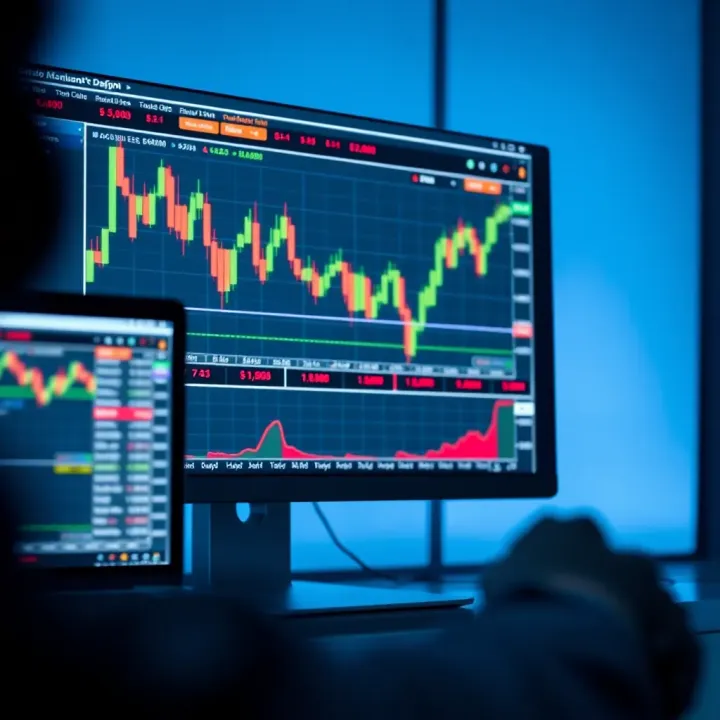
A forex demo account mimics real trading but with zero capital involved, making it an ideal practice area.
Practice Without Risk: Test your strategies without worrying about losses.
Learn Platform Features: Get comfortable with order types, charting tools, and indicators.
Understand Market Dynamics: Observe how news and trends influence currency prices.
Imagine you want to trade during the RBI's monetary policy announcements. Using a demo account, you can watch price swings on the INR pairs to see how volatile the market gets. This prepares you for real trades when volatility spikes.
Despite their advantages, demo accounts have limitations. For instance, the emotional aspect of risking real money is missing. Plus, some brokers may tweak demo conditions, like spreads or execution speed, making them less realistic.
Overall, forex demo accounts offer a valuable starting point for traders to sharpen skills and test ideas safely before moving to live markets. Making the most of these accounts helps reduce beginner mistakes, saving time and money in your trading journey.
A forex demo account offers a simulated environment where traders, especially beginners, can practise trading foreign exchange without risking real money. This virtual platform helps users understand how trading works and gain hands-on experience with minimal barriers. It’s especially useful in India, where many new traders want to learn before investing their hard-earned savings.
A demo account replicates the real forex market on a smaller scale. It lets you try buying or selling currency pairs just as you would in live trading, except the entire operation runs on a simulation. Think of it like a flight simulator for pilots—it mimics real trades and market behaviour without actual financial exposure. This safe space means you can test strategies, learn trading mechanics, and understand market rhythms without worry.
Instead of using real money, demo accounts provide virtual funds, often starting with amounts like $10,000 or equivalent. This allocation encourages experimentation—whether you’re trying to see how a high-risk strategy affects your portfolio or practising how to set stop-loss orders. Losing virtual money doesn’t hurt, but it teaches discipline and money management, which are crucial in trading.
One standout feature is that demo accounts provide live market prices and charts. For example, if the USD/INR pair rises or falls, your demo trading platform updates accordingly. This real-time data ensures your trading decisions are based on current market conditions, helping develop market-reading skills that apply directly when you move to a live account.
Demo accounts come with the same tools and interfaces as live accounts. You’ll find order types like market, limit, and stop orders, along with charting tools for technical analysis. Platforms such as MetaTrader 4 or 5, widely used in India, offer these features in demo mode too. Using them helps you become familiar with interface navigation and technical indicators without the stress of real losses.
Though trades are simulated, most demo accounts mimic order execution to reflect how live markets operate. When you place a trade, the system processes it as if it were real—subject to the platform’s rules on price movements and execution speed. However, sometimes the fills might be more precise in a demo than in a live market, where slippage can occur, so it helps set realistic expectations.
Good demo accounts simulate real market volatility and conditions to keep you prepared for the ups and downs of forex trading. For example, sudden news causing INR fluctuations during a government budget announcement can be reflected in your demo environment. This helps you experience how external factors influence prices and how to react accordingly.
Remember, while demo accounts provide great basics, they can’t capture every nuance of live trading, especially emotions and real money impacts. Still, they’re invaluable for building foundational skills before diving in for real.
By understanding how demo accounts work, you set the stage for confident and informed live trading efforts.
Using a forex demo account offers several advantages that prove essential for traders at all levels. It provides a risk-free way to experience the market, develop skills, and test strategies without the fear of losing real money. This practical approach builds a solid foundation and prepares traders for live scenarios more confidently.
Building confidence as a beginner is one of the most significant perks of demo trading. When someone takes their first steps in forex, the sheer complexity of charts, currency pairs, and rapid price changes can overwhelm. A demo account allows you to practise without worrying about financial loss, so mistakes become learning opportunities, not costly errors. For instance, a novice trader in Bengaluru can freely try buying and selling the USD/INR pair repeatedly, observing market reactions without risking ₹10,000 or more.

Understanding forex market dynamics comes naturally when you work with real-time data in a simulated environment. You get a feel of how global events, economic statistics, or RBI announcements impact currency prices. For example, observing price fluctuations during the RBI’s monetary policy declaration helps you grasp volatility better — knowledge that transfers to live trading and strategy adjustment.
Evaluating technical indicators like moving averages, RSI, or Bollinger Bands on a demo platform can save you from costly mistakes later. You can see how an indicator behaves over different time frames and currency pairs without the pressure of real money at stake. This testing stage helps fine-tune your method, for example, checking if a 14-day RSI is too sensitive for intraday trading or if a 50-day moving average works better for weekly charts.
Practising entry and exit timing is key to minimising losses and maximising profits. Demo accounts let you experiment with timing trades during news releases or trend reversals in real conditions. You might discover that entering the market five minutes before a Nifty 50 index opening yields better results than waiting, or that cutting losses quickly in volatile pairs like GBP/USD is wiser.
Learning platform navigation lets you avoid confusion and speed up decision-making when real money is involved. Forex platforms pack many features such as order placement buttons, watchlists, and chart customisation. Without prior demo practice, a trader may fumble, risking missed opportunities. For example, knowing how to switch quickly between currency pairs on the MetaTrader 4 platform can be critical during fast-moving markets.
Using order types and charting tools effectively takes practice. A demo account lets you explore different orders like stop-loss, take profit, and limit orders, helping you control risk better. You can also try drawing trendlines or adding volume indicators to charts and understand how these tools assist in making informed trades. Mastery here can prevent costly slip-ups, such as entering a market without a proper exit plan or misunderstanding a chart pattern.
Practising on a demo account helps build skills step-by-step — from reading charts to executing trades — all without risking real money. Many traders underestimate this phase but learning it well can make a huge difference when you go live.
While forex demo accounts offer a valuable platform to practice trading without risking money, they differ significantly from live trading in several key ways. Understanding these differences is important for traders to set realistic expectations and prepare better for the live market.
One major limitation of demo accounts is the lack of real financial risk. Since you trade with virtual funds, the emotional impact of losing money is missing. This absence can make it easier to take bigger risks or make careless trades, which might not happen when real money is on the line. For instance, many beginners might keep opening large positions repeatedly in a demo account, unaware they would hesitate in a live scenario where actual losses affect their capital.
Without real stakes, traders often don’t develop the necessary discipline that live trading demands. Decision-making under pressure is different when you know your money is at stake. This can translate to overtrading or ignoring stop-loss limits in a demo because there's no consequence. Practising discipline in a demo setting requires conscious effort to simulate real trading conditions, otherwise, this important skill risks going untested before risking actual capital.
Demo platforms usually provide idealised order fills. In a live market, orders may fill partially, at worse prices, or face delays due to liquidity or volatility. For example, a trader might see a perfect execution price on a demo account, but in reality, the order may slip due to high market volatility, impacting profit or loss. This difference means demo accounts can underestimate the challenges of trading actual market conditions.
Demo accounts often show fixed or ideal spreads and fast execution, unlike live trading where spreads fluctuate based on market demand and supply and execution speed can vary. A sudden spike in spread during live trading can widen costs unexpectedly. Traders relying solely on demo trading may get a false sense of low transaction costs, leading to surprises when trading live where spreads can be wider, especially during news events or low liquidity periods.
Most demo accounts do not charge commissions, fees, or swap charges (overnight interest), which are common in live trading. This creates a gap in understanding the true cost of trading. For example, a strategy might look profitable in demo but could lose money in live conditions after fees are deducted. Knowledge of these costs is essential when moving to real trading to accurately gauge potential returns.
Demo accounts often allow full use of leverage without realistic margin call pressure. In live trading, brokers enforce margin requirements strictly, and a sudden drop in margin can trigger margin calls or forced closing of positions. This aspect is critical because leverage magnifies both profits and losses. Without experiencing margin management in real conditions, traders might underestimate the risks associated with high leverage.
Understanding these limitations helps traders bridge the gap between practice and actual trading, improving preparation for real market challenges.
Selecting the right forex demo account sets the tone for your trading practice. A well-chosen demo account simulates real conditions more closely, helping you build skills and confidence before risking actual capital. It also familiarises you with the broker’s platform, tools, spreads, and trading rules, so you know what to expect when you move to a live account.
Checking SEBI or international licences
Always choose a broker regulated by a trustworthy authority like the Securities and Exchange Board of India (SEBI) or other respected international regulators such as the Financial Conduct Authority (FCA) or the Australian Securities and Investments Commission (ASIC). These licences ensure the broker meets minimum standards of transparency, fund safety, and ethical conduct. For example, a SEBI-regulated broker must follow strict guidelines on client fund segregation, which protects your money from misuse.
Reviewing reputation and user feedback
Even with regulation, the broker’s reputation is vital. Read user reviews and forums to understand common issues traders face—like withdrawal delays or frequent platform downtime. A demo account from a poorly rated broker might offer a smooth initial experience but fall short during live trading due to execution problems or hidden charges. Brokers with consistently positive feedback tend to offer better reliability and customer service.
Access to multiple currency pairs
A demo account should allow trading in a broad range of currency pairs, not just major ones like USD/INR or EUR/USD. This variety lets you explore different market conditions and volatility patterns. For instance, trading INR against exotic currencies like the Turkish lira or South African rand in demo mode can help you understand wider forex dynamics before venturing live.
Availability of educational resources
Some brokers bundle demo accounts with educational materials such as video tutorials, webinars, articles, and trading guides. These resources help you grasp forex concepts and platform tools faster. Take a demo that offers such support, especially if you're new to forex markets, as real understanding goes beyond pressing buy and sell buttons.
Duration and reset options
Check how long the demo lasts and whether you can reset your virtual balance. Unlimited or long-duration access gives you ample time to learn and try different strategies without pressure. Also, the ability to reset lets you start fresh after testing or mistakes, keeping your learning curve steady.
Platform availability on mobile and desktop
Ensure the demo platform runs smoothly on your preferred devices. Many traders in India use mobiles due to convenience, but desktop platforms may offer better analysis tools. Some brokers provide MetaTrader 4 or 5, which work on both. Testing accessibility on both can prepare you for flexible trading environments.
Internet connectivity requirements
Reliable internet is non-negotiable for forex trading. Demo accounts also reflect this need. Choose a platform that functions well even on modest Indian internet connections, like 4G or home broadband. Lag or disconnection during demo trading can create a false sense of instability that isn't always due to the broker but your setup. Therefore, assess how the demo handles poor connectivity before committing.
Selecting the right forex demo account is more than opening a practice account; it’s about choosing a realistic, reliable, and supportive environment that prepares you thoroughly for live trading challenges.
Making these choices carefully saves you from surprises and builds a solid base for your trading journey.
Getting real value from a forex demo account depends on how seriously you approach the practice sessions. It’s not just a playground but a crucial step to develop trading skills and habits without risking capital. Setting clear goals, maintaining discipline, and reviewing your progress regularly will help turn this learning phase into a strong foundation for live trading.
Before you start demo trading, outline which strategies you want to test. For example, if you’re interested in swing trading, focus on holding positions for a few days, observing how market swings affect your trades. Similarly, if scalping appeals to you, practise quick trades with small profit targets. Demo accounts let you test these approaches in different market conditions without pressure.
This targeted practise builds familiarity with how each strategy plays out. Instead of randomly placing orders, you concentrate on honing skills that match your trading style. This focus allows you to identify which techniques feel natural and effective.
Keeping a simple trading journal during your demo practises helps track what works and what doesn't. Record details like entry and exit points, reasons behind each trade, profit or loss, and emotional reactions at the time. For instance, noting if you entered too early or held on for too long clarifies behavioural patterns.
Reviewing this data regularly shows trends in your success rate and highlights recurring mistakes. It also helps avoid repeating bad habits when moving to live trading. Over time, you’ll see which strategies yield positive results and which need rethinking.
Demo trading loses much of its value if treated casually. To gain real benefit, recreate live trading conditions as much as possible. This means practising with real market hours, applying position sizing rules, and responding to price movements without pausing to think too long.
For example, if the market is volatile during Asian hours, use your demo account at that time to experience how fast-moving prices require quicker decisions. Mimicking these conditions builds the emotional and cognitive strength needed when real money is on the line.
Successful trading demands strong discipline and prudent risk controls. Even though demo trades don’t affect your capital, enforce limits as if they did. Set stop losses, define maximum daily losses, and stick to those rules strictly in the demo environment.
This practice conditions you to handle risk responsibly when trading live. For instance, if you keep violating your own limits in demo trading, it signals a need to improve discipline before risking real funds.
Treat your demo account as a dress rehearsal for live trading. The habits you build here shape your future performance.
Regularly analysing your demo trading records is essential to understand your strengths and weaknesses. Use charts and spreadsheets to spot patterns in wins and losses. For example, you may find that you perform better during certain market sessions or with particular currency pairs.
Analysis also reveals whether your market entries and exits align with your strategy’s signals. If you notice repeated deviations, it indicates room for improvement.
Flexibility creates a better trader. Use insights from your analysis to refine or change your trading strategy. If a certain approach underperforms in demo conditions, try adjusting your indicators or timing.
Say you find a moving average crossover strategy consistently leads to late entries; consider tweaking the parameters or combining it with other indicators. The demo environment lets you experiment risk-free until you find what suits your style and market conditions best.
Applying these tips maximises the learning value of your forex demo account. A focused, disciplined, and analytical approach prepares you well before stepping into live markets.
Discover the wealthiest forex traders🌍, their unique strategies📈, and key lessons💡 for aspiring traders in India's vibrant market.

📈 Learn to spot and trade range markets smartly! Understand key traits, tools, and strategies, plus how these differ from trending markets for savvy trading.

Explore Qutex in depth: understand its definition, features, practical uses, benefits⭐ and applications across different fields📊 for smarter tech insights!
Explore Quotex forex trading essentials in India 🇮🇳. Learn platform features, account types, tools & smart strategies for better risk management 💼📊.
Based on 9 reviews