
Forex Trading Demo Accounts: A Practical Guide
Learn how forex trading demo accounts let Indian traders practice currency trades risk-free with virtual funds. Discover tips, benefits, and pitfalls to avoid 💹
Edited By
Emily Walker
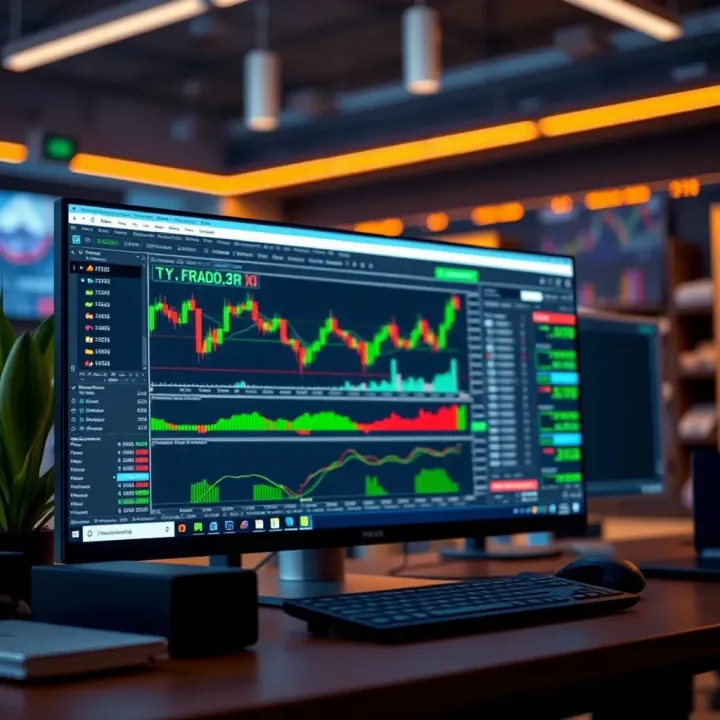
Forex demo accounts offer Indian traders a practical way to understand the forex market without risking real money. Using virtual funds, these accounts simulate real trading environments, allowing you to experiment with currency pairs like USD/INR or EUR/USD under current market conditions.
This practice is particularly useful for beginners who want to learn how forex trading works before committing actual capital. Traders can test various strategies—whether scalping, swing trading, or position trading—observe how the market reacts, and build confidence in their decision-making.
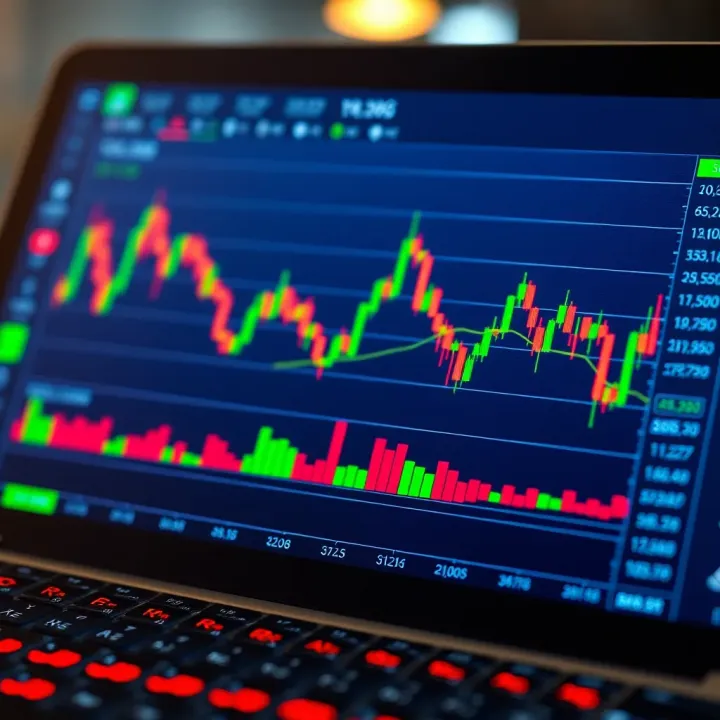
Demo accounts also help experienced traders check new strategies in live market scenarios without financial exposure.
For instance, imagine you want to understand how geopolitical news affects the Indian Rupee against the US Dollar. With a demo account, you can practise trades based on real-time news updates, track price fluctuations, and adjust your approach accordingly.
Most brokers in India provide free demo accounts with access to popular platforms like MetaTrader 4 or 5. These platforms offer features such as live charts, technical indicators, and order execution similar to actual trading.
However, it’s important to remember that demo trading lacks the psychological pressure involved in real-money trading. Emotional factors like fear and greed impact real trades differently.
Still, a well-used demo account can significantly shorten your learning curve. By actively engaging with the platform, noting mistakes, and refining your tactics, you prepare yourself better for the Indian forex market.
In summary, a forex demo account acts as a training ground—risk-free and readily accessible—for traders to sharpen their understanding, explore strategies, and enter live trading with greater assurance.
Forex demo accounts serve as practice platforms that allow traders to experience live forex trading without risking real money. For Indian traders aiming to enter the forex market, these accounts provide a valuable stepping stone to understand the mechanics of trading currency pairs, test strategies, and get familiar with trading platforms before committing actual funds.
A forex demo account is a simulated trading account provided by brokers where traders get virtual funds to buy and sell currencies under real market conditions. The main purpose is to offer a risk-free environment where beginners can learn how the forex market operates, including price movements, leverage, and order placements. For instance, a trader in Delhi might use a demo account to practise trading the USD/INR pair without worrying about losing money.
These accounts mimic real trading by reflecting actual market prices and conditions such as spreads and market volatility. When you open a demo account with a broker like Zerodha or ICICI Direct, the platform updates currency prices in real time, allowing you to place orders just like live trading. However, there's no financial risk since you trade using virtual capital. Traders can also experience features like margin calls and leverage to understand how these impact their trades.
Most demo accounts come with several key features:
Virtual Balance: Preloaded with virtual money, often ₹1 lakh or USD 10,000, to simulate trading budgets.
Real-Time Market Data: Offers live quotes for currency pairs, commodities, and indices.
Order Types: Support for various order types including market, limit, and stop-loss orders.
Trading Platform Access: Full use of the broker’s software, whether MetaTrader 4, MetaTrader 5, or proprietary apps.
Performance Tracking: Tools to review your trades, profits, losses, and overall portfolio value.
Many Indian traders find these features critical to building confidence and fine-tuning their approach before entering a live account.
In short, forex demo accounts provide a safe, realistic space to develop trading skills. Using them effectively reduces mistakes and bolsters understanding, allowing Indian traders to approach the real forex market with better preparation and less anxiety.
Forex demo accounts offer significant benefits, especially for Indian traders just stepping into currency trading. These accounts act as a bridge between theoretical knowledge and real market execution, helping traders build confidence and avoid costly mistakes early on.

A demo account lets you experience forex market dynamics without risking actual money. In India, where many newcomers hesitate due to financial constraints or fear of loss, demos provide a safe space to learn. For example, a fresh trader can observe how different currency pairs like USD/INR or EUR/USD react to global events without facing financial consequences. This risk-free environment encourages experimentation and gradual learning, making mistakes part of the process instead of losses.
Using a demo account, traders can experiment with various trading strategies, whether it’s scalping, swing trading, or position trading. Indian traders often rely on technical tools like moving averages, RSI, or Fibonacci retracements, which they can apply and evaluate in real-time through demos. Practical testing reveals which strategies suit their style and risk appetite before any real rupee investment. It also allows trying out tools such as limit orders, stop-loss settings, or automated trading bots, which might feel overwhelming initially.
Demo accounts familiarise traders with the platforms offered by brokers without pressure. Indian brokers often provide platforms like MetaTrader 4 (MT4), MetaTrader 5 (MT5), or proprietary apps that may feel complex at first glance. Practice on a demo helps you understand order placements, interface layouts, and chart analysis before moving to actual trading. This reduces errors like placing wrong lot sizes or missing stop-loss orders, which cost dearly in live markets. Additionally, comfort with the platform speeds decision-making when market conditions demand swift action.
For Indian traders, the advantage of a demo account lies not just in safe practice but in building market instincts and technical skills needed to succeed with real funds.
In short, forex demo accounts offer a practical way to learn, refine, and familiarise without financial risk, making them an essential tool for anyone looking to trade currencies in India.
Forex demo accounts are a great way to practice trading without risking real money, but they come with certain limitations that Indian traders should keep in mind. Knowing these drawbacks helps set realistic expectations and prepares you better for live trading.
One major difference between demo and live accounts is the absence of emotional stress. In demo trading, since you use virtual money, the adrenaline and anxiety linked with real financial loss do not arise. Imagine trading ₹5 lakh virtually versus actually having that amount at stake—your decisions will naturally differ. The pressure to make quick calls, fear of losing capital, or excitement from gains is what shapes a trader’s mindset. Without these emotions, the trading experience on a demo account can feel detached and might not fully prepare you for the psychological rollercoaster of live forex trading.
Demo accounts generally provide idealised trade execution, often avoiding delays or price slippage. However, in real forex markets, trade execution can suffer from slippage—where your order gets filled at a worse price than expected—especially during volatile times. For Indian traders dealing with currency pairs affected by global events or RBI announcements, this difference can be stark. The absence of slippage in a demo account might create a false sense of smooth trading and profitability. Therefore, it’s crucial to understand that actual trade outcomes may vary due to market dynamics, spreads widening, or execution delays which demo platforms typically do not simulate accurately.
Practising with virtual funds can lead some traders to become overconfident, believing their strategies work flawlessly. This overconfidence often fades once they start trading with real capital. For example, a trader might try aggressive orders on their demo account because there’s no actual loss, which is quite risky on a live account. Hence, it’s vital to approach demo trading as a learning tool, not proof of guaranteed success. Incorporating disciplined money and risk management principles early helps bridge demo experience and live trading reality.
While forex demo accounts offer a safe space to learn and experiment, recognising their limitations ensures Indian traders transition smoothly into real trading challenges and avoid surprises caused by emotional pressures, execution differences, or misplaced confidence.
Understanding these points means you can make better use of demo accounts by focusing on skill-building while preparing mentally and technically for live markets, leading to more informed and resilient trading decisions.
Selecting the right forex demo account provider plays a big role in how well you get to learn and practise trading. Not all demo accounts are made equal. The provider you choose influences your exposure to realistic market conditions, the tools at your disposal, and even how smoothly your practice goes. For Indian traders, this decision shapes your confidence when moving to live trading.
Before opening any demo account, focus on these points. First, check that the broker provides access to a wide range of currency pairs, especially the popular ones like USD/INR, EUR/USD, and GBP/USD, since these offer a clear picture of real market movements Indian traders often watch.
Look into the authenticity of price feeds and execution speed as well. Some brokers simulate trades slower or with unrealistic spreads, which can mislead beginners about actual conditions. Also, see if the demo account offers historical data access. This feature helps back-test your strategies over past market trends.
Another crucial point is the duration for which demo accounts remain active. Some platforms keep them running indefinitely, while others expire within a month or two, which can disrupt learning.
Finally, customer support quality matters much. Imagine you face technical glitches or have questions on order types—having accessible and helpful service makes all the difference.
Several brokers enjoy trust among Indian traders for their demo accounts. Zerodha and Upstox, while known primarily for equities, started offering forex demo facilities on selected pairs recently. Among specialised forex brokers, ICICI Direct and FXTM (ForexTime) stand out for their user-friendly demo platforms with realistic conditions.
For beginners, platforms like MetaTrader 4 or MetaTrader 5 provided through brokers such as HDFC Securities or Angel Broking offer good demo experiences, combining ease of use with a wealth of features.
Remember, choosing a well-regulated broker registered with SEBI or the Reserve Bank of India (RBI) helps ensure your data and funds stay secure.
The demo account’s platform should match your device preferences—desktop, tablet, or mobile. Mobile-friendly platforms become especially handy for traders in tier-2 and tier-3 cities who rely more on smartphones.
Test how intuitive the interface is. Can you place a trade within a few taps or clicks? Are charts easily customisable? Indian traders have liked brokers who provide multi-lingual support and vernacular tooltips, making learning smoother.
It’s useful if the demo mirrors the live platform closely, so you don’t face surprises later. Features such as real-time charts, news feeds, and alerts add practical value, simulating a realistic trading environment.
Choosing the right forex demo provider sets the stage for your success. A platform that feels natural to use, backed by a trustworthy broker, gives you the best shot at mastering forex trading before risking real money.
Getting the most from a forex demo account can shape the gap between theory and practice for any trader in India. Demo accounts offer a safe space to familiarise oneself with currency markets without risking real money. But, simply opening one doesn’t guarantee progress—the approach matters. Knowing how to set clear goals, track trades, and recognise the right moment to switch to live trading can make a big difference.
Starting your demo journey with achievable, clear aims keeps learning focused and efficient. Instead of aiming to double virtual funds overnight, set targets like mastering entry/exit timing or understanding how spreads affect profits. For example, you might decide to practise executing 20 trades across various currency pairs to get comfortable with their behaviour. These bite-sized objectives help avoid frustration and build skills steadily.
Tracking every demo trade is vital. Note details like entry price, trade size, stop-loss, and the reason for each trade decision. Indian traders often overlook this step, missing a chance to learn from mistakes or spot patterns. By maintaining a simple journal or spreadsheet, you can spot recurring errors—such as holding losing positions too long—or successful setups worth repeating. Regular reviews help refine strategies and build discipline essential for live markets.
A trader who tracks and reviews even demo trades seriously gains insights into personal trading psychology and strategy effectiveness, key to long-term success.
Deciding when to leave the demo world for live trading depends on more than just profits on paper. You should feel confident handling the platform and executing your strategy consistently across market conditions. Also, consider if you've managed to control emotions like fear or greed in your practice trades. It’s wise to start with modest capital size at first—say, ₹10,000 to ₹25,000—to test your strategies under real market pressure without overexposure. Transitioning too early can lead to unnecessary losses, but waiting too long risks missing out on real experience.
By setting smart goals, maintaining thorough trade records, and recognising readiness signs, Indian traders can turn demo accounts into powerful learning tools, laying a solid foundation before entering the actual forex arena.
Learn how forex trading demo accounts let Indian traders practice currency trades risk-free with virtual funds. Discover tips, benefits, and pitfalls to avoid 💹

Discover how forex trading app demos help Indian traders practice risk-free, understand features, overcome challenges & choose the right platform for smooth live trading 📱💹

📊 Understand forex demo trading and learn how Indian traders can practise risk-free, avoid common pitfalls, and smoothly switch to live forex markets with confidence.
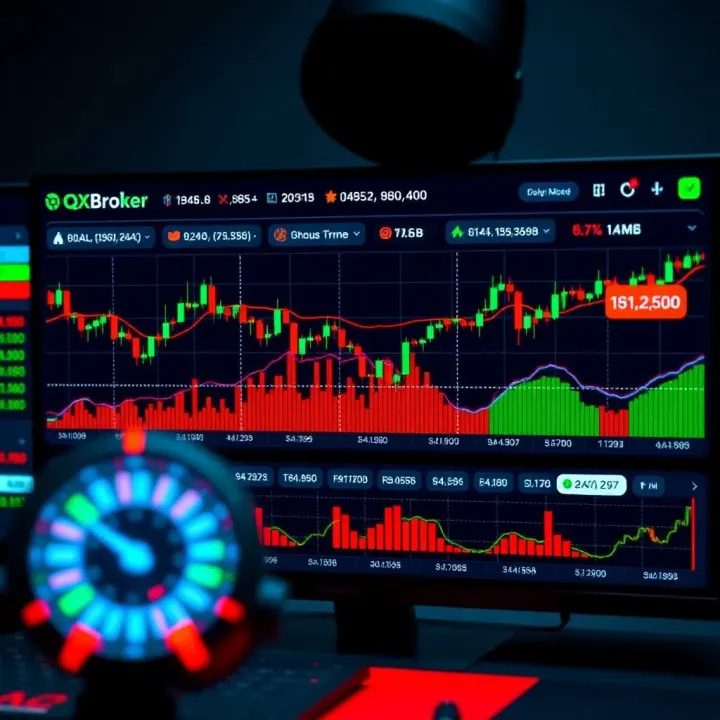
Explore QXBroker insights 🚀 for Indian traders! Learn about accounts, trading options, security tips, deposits, withdrawals, and support features. Start trading smart today!
Based on 12 reviews