

Understanding Demo Accounts for Stock Trading in India
Practice stock trading in India risk-free with SEBI-regulated demo accounts 💹 Learn to choose the right broker, understand benefits & ease your transition to live markets
Edited By
Daniel Foster
Demo trading accounts provide a valuable tool for anyone looking to learn stock trading in India without risking real money. These accounts mimic the live market environment, enabling users to place virtual buy and sell orders on Indian stock exchanges like the National Stock Exchange (NSE) and Bombay Stock Exchange (BSE).
By using a demo account, traders can familiarise themselves with trading platforms such as Zerodha Kite, Upstox Pro, or Angel Broking’s trading software. This hands-on practice builds confidence, helping users understand how various market orders work, monitor price movements, and manage a virtual portfolio.
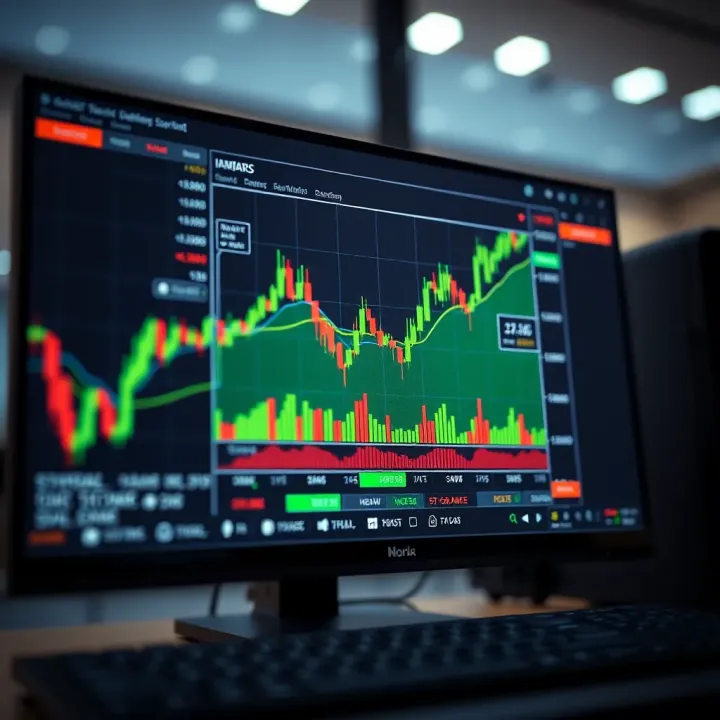
A demo trading account is effectively a practice ground where you can experiment with trading strategies and market scenarios without financial loss.
Unlike real accounts, demo accounts provide virtual funds—typically ₹10 lakh or more—to trade with. This virtual capital allows beginners to understand the impact of market volatility on their portfolio. Experienced traders can also use these accounts to test new tactics before deploying them in the live market.
Some key benefits of demo trading accounts in India include:
Understanding how to place different orders like market, limit, stop-loss
Learning to read charts and use technical indicators with zero risk
Gaining familiarity with brokerage fees and trading costs (though these charges do not apply in demo accounts)
Practising portfolio diversification and risk management
It's important to remember demo trading does not capture certain real-world emotions such as fear or greed, which heavily influence live trading decisions. Moreover, some market features, like sudden slippage or liquidity constraints, may not be reflected perfectly in a demo setup.
Still, demo accounts serve as a crucial stepping stone before committing real money. They offer a risk-free environment where users can sharpen their skills, build strategies, and get comfortable with the Indian stock market’s pace and patterns.
Whether you are a novice investor just starting or a seasoned trader looking to experiment safely, a demo trading account can be a practical and insightful learning tool.
A demo trading account mimics real stock market trading without using actual money. It plays a crucial role for anyone wanting to understand how India’s equity markets operate without risking capital. Whether you are new to trading or a seasoned investor testing fresh strategies, a demo account offers a safe playground to practise.
Demo accounts replicate real market environments closely by offering access to current prices of stocks, derivatives, and other instruments on exchanges like NSE and BSE. This gives traders the chance to experience live market fluctuations, order types, and trading tools just like in a real account. For example, a buyer can place a limit or market order during volatile market sessions, experiencing the consequences without actual financial exposure.
Because no real money is involved, demo accounts create a risk-free space to learn how markets behave. This prevents the stress and emotional pressure that come with putting hard-earned money at stake. You can experiment with complex orders, try investing in unfamiliar sectors like FMCG or IT, and observe market reactions over time. This hands-on learning helps prevent costly beginner mistakes when real funds come into play.
For new traders, demo accounts offer the perfect starting point to develop basic market understanding and trading skills. Beginners can familiarize themselves with chart reading, order placements, and portfolio management without the worry of losses. For instance, a fresher studying the Nifty 50 stocks can try out buying and selling with virtual funds, gaining confidence before stepping into live markets.
Even seasoned traders find value in demo accounts to trial new trading strategies and tweak investment approaches. Suppose a trader wants to test algorithmic trading or pair trading strategies during fluctuating sessions like budget days or RBI policy announcements; a demo account allows this without financial risk. It also helps assess the effectiveness of stop-loss methods or diversified holdings in different market conditions.
Demo trading accounts provide a realistic yet risk-free space where both rookies and experts can sharpen trading skills and refine strategies before moving to real money investing.
This makes demo trading an integral tool in the Indian stock market landscape, bridging theory and practice effectively.
Demo trading accounts mimic the real trading environment, but understanding their integration with Indian brokers and platforms helps users make the most of these tools before risking real money. Indian stockbrokers and their trading apps commonly offer demo accounts that simulate market experiences within their infrastructure.
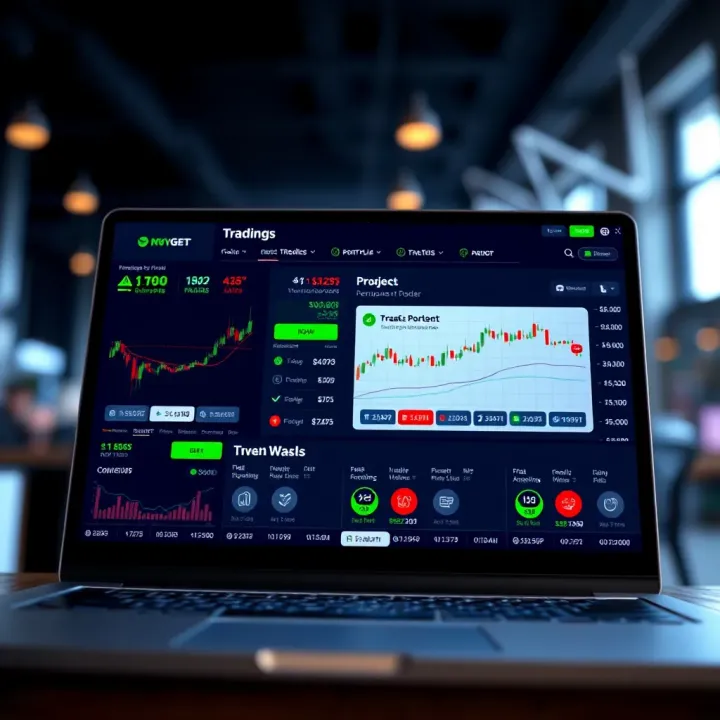
Popular brokers such as Zerodha, Upstox, and Angel Broking offer demo accounts through their trading apps. These platforms provide access to real-time market data and trading tools so users can practise in a near-live setting. For example, Zerodha’s Kite platform includes a demo mode where traders can learn to navigate order placement, chart reading, and portfolio tracking without risking capital.
Features available in demo modes typically include access to multiple asset classes like equities, commodities, and derivatives. Most Indian brokers allow you to practise placing limit and market orders, view interactive charts, and use technical indicators. This helps users become familiar with the platform’s interface and trading features, which in actual live markets might be overwhelming.
Although demo accounts use real-time data feeds, some brokers source simulated prices to manage server loads or to ensure stability in the demo environment. The prices shown may lag fractions of a second or occasionally differ slightly from live market prices. Nonetheless, this difference is usually minor, allowing effective strategy testing.
Order execution in demo accounts is immediate and without slippage, unlike live markets where actual order fills might be delayed or result in price differences due to liquidity or market volatility. This lack of slippage means demo trading cannot capture certain real-world trading challenges fully. Traders need to keep this in mind when transitioning to live trading to adjust expectations accordingly.
Demo accounts excel in helping beginners build confidence and experiment with strategies without financial risk. However, understanding how demo platforms handle market data and order execution prepares users better for live market realities.
In summary, the integration of demo accounts with Indian trading apps facilitates convenient, hands-on learning. While market data in demos is often close to live feeds, the absence of real execution complexities like slippage means traders should cautiously move on to live accounts only after thorough practice.
Demo trading accounts offer Indian investors a valuable stepping stone before risking real capital. They allow users to gain familiarity with the trading environment, sharpen their skills, and test strategies without financial exposure. This not only builds confidence but also helps avoid costly mistakes once live trading begins.
Demo accounts provide hands-on experience with trading platforms, which can be complex for beginners. You get to navigate order types, charting tools, and watchlists without the fear of losing money. For example, practising placing market orders, limit orders, or stop-loss orders on platforms like Zerodha Kite or Upstox Pro helps build comfort. Knowing how to execute trades quickly and accurately is crucial, especially during volatile sessions.
Regular use of a demo account helps traders observe how the Indian stock market moves in response to news, earnings reports, or macroeconomic events like RBI policy announcements. This firsthand experience of price swings teaches investors to read market behaviour better. Over time, you develop an intuition for when to enter or exit trades. Unlike theoretical learning, seeing these movements in real-time—even if simulated—cements understanding and decision-making.
A demo account acts as a sandbox for experimenting with various investment styles — whether it’s day trading, swing trading, or long-term investing in stocks like Reliance or TCS. You can test how technical indicators like moving averages or RSI work for entry and exit points. This experimentation avoids real loss and helps identify what suits your risk appetite and goals.
Smart trading requires solid risk management. Demo accounts let you practice setting stop-loss limits, position sizing, and diversification strategies all without risking a single rupee. For instance, you might find that risking 1% of your virtual portfolio per trade keeps losses manageable. Practising these techniques builds discipline, which often gets overlooked but is essential to survive in live markets.
Using a demo trading account before moving to live markets lets you build skills, confidence, and tested strategies. It minimizes surprises and lays the groundwork for smarter investing in India’s dynamic stock market.
Demo trading accounts are invaluable for learning, but they come with notable differences from live trading that every trader should keep in mind. These limitations mostly arise from psychological factors and technical distinctions in market operation.
Handling real money changes how traders think and behave. Demo accounts rely on virtual funds, so no matter the outcome, there’s no real loss. However, when actual capital is at stake, emotions such as fear, greed, and anxiety tend to influence decisions. For instance, a trader who confidently tries aggressive strategies in a demo may hesitate or panic when facing real losses. This emotional weight often leads to hesitation or rash decisions, which aren’t captured in a risk-free demo environment.
Live markets demand quick and disciplined decisions under pressure, a condition hard to replicate in demo settings. Time-critical choices, especially during volatile sessions or market news events, can cause traders to deviate from their strategies. In contrast, demo accounts offer a calm learning space without time pressure or fear of losing money. As an example, in live trading, a sudden Nifty crash might prompt immediate reaction, but in a demo, the trader can calmly analyse without financial consequences.
Demo accounts typically simulate ideal order executions without the delays or latency found in real-time trading. In real markets, network issues or server load can delay order execution by milliseconds, leading to differences in price at entry or exit. For example, a trader placing a market order for Reliance Industries shares may find the live price slightly different due to these delays, whereas a demo might show instant execution at the quoted rate.
Live markets are subject to liquidity constraints, which can cause 'slippage'—when orders execute at prices worse than expected. Demo accounts generally ignore such limitations, executing at displayed prices regardless of volume or market depth. In practice, during high volatility (say during quarterly results or RBI announcements), liquidity dries up, and slippage can significantly impact profits or losses. Demo trading can't simulate this, potentially giving a false sense of consistent returns.
Understanding these limitations helps traders set realistic expectations and prepare better before moving from demo to live trading.
By recognising the emotional and technical gaps, investors can develop strategies to manage real-world challenges more effectively while using demo trades as a stepping stone.
Picking the right demo trading account matters more than many realise. For Indian investors, it’s not just about practising trades but using a tool that fits the local market context and individual learning style. The right platform can smooth your transition to live trading by offering a realistic feel and relevant features. Conversely, a poor choice might leave you confused or frustrated, risking bad habits or misplaced confidence.
A clean, intuitive user interface (UI) makes demo trading less intimidating, especially for beginners. Indian platforms like Zerodha Kite and Upstox Pro offer simple layouts with easy navigation that lets investors focus on the market, not figuring out complicated menus. Features like charting tools, watchlists, and technical indicators should be easy to access and responsive. This helps you test strategies effectively without getting bogged down by clunky design.
Good support is essential when you hit a snag or have questions about market rules. For example, when practising on Sharekhan’s demo account, their customer team is known for responsive assistance, helping clarify queries quickly. Additionally, platforms that bundle demo accounts with educational resources—tutorial videos, webinars, FAQs—give you an added edge. These resources familiarise you with trading concepts and platform features simultaneously, making practice more worthwhile.
Demo accounts that provide live market prices offer a near-true simulation of trading conditions. Without this, you might be making decisions based on outdated prices which don’t reflect the current market mood. For instance, NSE and BSE market movements can be erratic, so practising with real-time data helps develop timing skills crucial for active trading.
It's beneficial if the demo account covers various asset classes like equities, commodities, currencies, and derivatives. Indian investors often diversify portfolios, so practising across different instruments improves overall market understanding. Platforms like Angel Broking and ICICI Direct offer demo modes that simulate trading in futures, options, and stocks, helping users get comfortable with each one's nuances.
Moving to live trading means accepting that emotions, slippage, and real money stakes affect decisions. One shouldn’t expect demo results to replicate exactly because demo trading removes fear and pressure. Setting reasonable goals and acknowledging these differences prevents disappointment and rash choices.
Start live trading with manageable capital to limit potential losses as you acclimate. Employ strict risk management such as stop-loss orders and position sizing, learned from your demo practise. For example, if your demo trades used ₹1 lakh virtual capital, begin with a fraction, say ₹10,000, to minimise risk while gaining real experience.
Remember, the demo account is a training ground. Its true value lies in how well you use it to prepare for the realities of live markets, not in the profits you make in simulated trades.
Selecting a demo trading account that suits your needs can accelerate your journey in the Indian stock market. Focus on usability, realistic features, and a smooth path to live trading to make the most of your practice sessions.
Practice stock trading in India risk-free with SEBI-regulated demo accounts 💹 Learn to choose the right broker, understand benefits & ease your transition to live markets
Learn how forex trading demo accounts let Indian traders practice currency trades risk-free with virtual funds. Discover tips, benefits, and pitfalls to avoid 💹
📊 Discover how demo forex trading accounts help Indian traders practise risk-free, pick the right platform, and smoothly shift to live trading with confidence.
Learn how free demo trading accounts in India help beginners practise without risk, explore top platforms, benefits, and tips to smoothly shift to live trading 📈💰
Based on 6 reviews