
Understanding Real Trade Apps: Features & Benefits
📈 Discover real trade apps: key features, benefits, how to pick the right one with strong security, easy interface, diverse options & compliance. 🔒💹
Edited By
Clara Mitchell
Forex apps have become indispensable for traders and investors focused on the foreign exchange market. These mobile applications offer real-time access to currency prices, market news, and trading tools, allowing users to monitor and execute forex trades from anywhere with an internet connection.
At their core, forex apps simplify currency trading by providing essential features such as live price charts, technical indicators, and order execution capabilities. Some apps also integrate AI-driven analytics or customised alerts to fit diverse trading strategies.
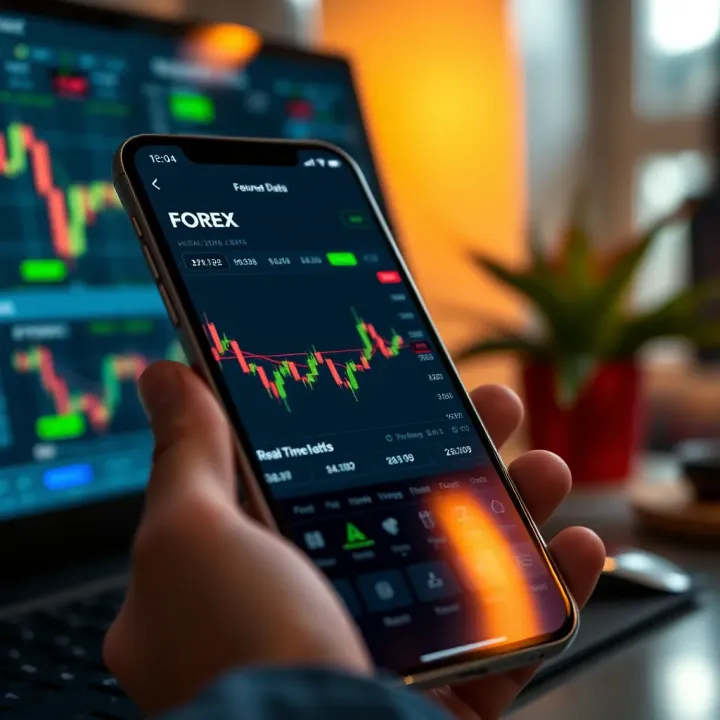
The surge in forex app usage in India is partly due to the rise of smartphones and reliable data networks. Platforms like MetaTrader, Zerodha Kite, and Upstox offer Indian traders direct exposure to forex pairs alongside equities and commodities, often with user-friendly interfaces tailored to domestic preferences.
Besides convenience, forex apps bring several benefits:
Instant access to international currency markets during trading hours
Customisable watchlists for tracking preferred currency pairs like USD/INR or EUR/USD
Ability to place market, limit, and stop orders directly from the app
Real-time news feeds relevant to global financial events impacting currencies
However, users must keep in mind the associated risks. Forex trading involves high leverage, which can amplify both profits and losses quickly. Mobile platforms may also face downtime or connectivity issues, potentially impacting trade execution.
Security is a vital consideration—ensure your chosen forex app employs robust encryption, two-factor authentication, and is regulated by authorities like the Securities and Exchange Board of India (SEBI). This helps protect your funds and personal data from fraud or cyber threats.
Understanding these basics prepares traders to evaluate forex apps critically, matching their features and security standards with individual trading styles and risk tolerance. The right forex app can make a noticeable difference in trading efficiency and control.
Next, we will explore key features to look for and how to select the app best suited for your needs.
Forex apps have reshaped how traders access the foreign exchange market, making it easier and faster to trade currencies anytime. These mobile applications act as digital platforms where users can buy and sell currency pairs, monitor real-time prices, and analyse market trends right from their smartphones or tablets. For example, apps like MetaTrader 4, Forex.com, and Zerodha’s trading platform offer tools suited for both beginners and experienced traders in India.
A forex app is a software application that facilitates trading in the foreign exchange market through mobile devices. Their main purpose is to provide live market data, execute trades instantly, and offer analysis tools without requiring access to a desktop setup. This mobility means traders can react swiftly to currency fluctuations while commuting or sitting at a café—something traditional forex trading methods couldn't match.
Traditional forex trading often involved visiting brokers or using desktop terminals connected to trading platforms. These processes could delay trade execution and limit access to market updates. Forex apps, conversely, provide instant access with a simple interface and often include push notifications for price alerts. This real-time responsiveness lets traders place orders, modify positions, or close trades quickly. Moreover, forex apps eliminate geographical constraints, allowing Indian traders to operate during global market hours without delay.
Using a forex app generally follows three main steps:
Account Setup: Users register and link a trading account with a forex broker. This includes KYC verification and depositing funds.
Market Monitoring: The app displays live currency rates and charts with various technical indicators, helping traders decide when to buy or sell.
Trade Execution: Once a decision is made, traders use the app to place different types of orders—market, limit, stop-loss—directly from their device.
Once the trade is live, the app tracks profits and losses continuously, making it straightforward to manage positions on the go. For instance, a trader watching the USD/INR pair can set an alert to notify when the rate crosses a certain level, allowing quick action without constant manual monitoring.
The growing adoption of forex apps underscores their role in democratizing currency trading, letting more Indians participate actively in international markets with just a mobile device.
Understanding these basics helps users pick the right forex app tailored to their trading style and objectives while navigating risks effectively.
Forex apps have transformed how traders interact with currency markets, especially for those who need agility and timely data. For Indian traders, selecting an app with the right features can make a significant difference in trading outcomes. Let's break down the key elements you should look for.
One essential feature of any good forex app is the ability to deliver real-time exchange rates and up-to-date market news. Currency values fluctuate constantly due to global economic events, geopolitical tensions, and central bank announcements. Without live rates, you risk making decisions based on outdated information, which could lead to losses.
Consider an app that provides live feeds for pairs of interest, such as USD/INR or EUR/USD, with price updates every second or less. Also, integrated market news tailored to forex can keep you aware of sudden shifts. For example, an update about RBI's interest rate changes or US Federal Reserve policies within the app itself saves you from hopping between multiple news sources.

Charts are the bread and butter for forex analysis. The best apps offer a range of chart types, like candlestick, line, and bar charts, letting traders study market patterns easily. Along with these, technical indicators such as Moving Averages, Relative Strength Index (RSI), Bollinger Bands, and Fibonacci Retracements help spot trends and predict price movements.
A practical feature is drawing tools embedded in the app, letting you mark trendlines or support and resistance levels on charts directly from your mobile. For instance, if you notice a consistent upward trend in USD/INR, your app should enable you to plot it clearly to time your trades better.
Flexibility in order placement is crucial. Forex apps generally offer several order types beyond simple buy and sell, such as limit orders, stop-loss orders, and trailing stops. These allow you to manage risk without constant monitoring.
Alerts are indispensable for busy traders. You should be able to set notifications for price levels, trade execution, or significant market news. This way, you stay informed even when you're away from your phone.
Some apps also support automated trading or algorithm-based strategies. These let you set predefined criteria, so your trades execute automatically according to your plan. For example, if the USD/INR drops below a certain point, your stop-loss triggers automatically, protecting your capital.
Choosing a forex app with timely data, advanced analysis tools, and flexible order management can greatly improve your trading efficiency and risk control.
In the Indian context, where market hours coincide with various global sessions, these features help traders make the most of volatile opportunities without being glued to screens constantly.
Forex apps offer distinct advantages for Indian traders, reshaping how they approach currency markets. These platforms deliver quick access, cost savings, and wide market exposure, making forex trading more feasible and efficient compared to traditional means.
Trading on a mobile app gives you the ability to act fast, no matter where you are in India. Whether you're waiting at a railway station in Pune or enjoying chai in a Chennai cafe, you can monitor currency movements and execute trades instantly. This immediacy is vital in forex, where rates fluctuate every second. For example, if the USD/INR rate suddenly drops due to economic news, you won’t miss the opportunity to enter or exit your trade. Besides, apps provide push notifications for price alerts and news updates, keeping you connected on the go without needing to constantly check.
Forex apps often come with lower costs, which benefits Indian traders who might trade with smaller amounts initially. Unlike traditional brokerage firms charging hefty fees and commissions, many app-based platforms offer tighter spreads and reduced or zero commission models. This can save a trader significant money over time, especially if trading actively. Take the case of a trader who made 50 trades in a month: paying ₹50 per trade through a traditional broker ends up at ₹2,500, whereas a typical app with zero commission saves them this entire amount. Plus, mobile apps usually handle all documentation digitally, cutting down paperwork expenses.
Forex apps bring the whole world to your fingertips. Indian traders can access not just USD/INR but a broad range of currency pairs including EUR/USD, GBP/JPY, and emerging market currencies like the BRL (Brazilian Real) or ZAR (South African Rand). This variety allows traders to diversify and capitalise on trends from different economies easily. Furthermore, these apps often provide options to trade at different time zones since forex operates 24/5. You can explore opportunities across London, New York, and Tokyo sessions without waiting for office hours or brokers’ availability.
The ability to trade from anywhere, save on costs, and access diverse currencies makes forex apps a powerful tool for modern Indian traders aiming to stay competitive and informed in a fast-moving market.
Trading forex through mobile apps offers many benefits, but it also comes with specific risks and challenges that traders must understand. Awareness of these issues helps you manage your investments better and avoid costly mistakes.
Forex markets are inherently volatile, with currency values shifting rapidly due to geopolitical events, economic data, and central bank decisions. For example, unexpected RBI policy changes or political unrest can cause sudden swings in the Indian rupee's value against the US dollar. Such fluctuations can lead to significant losses if not managed with stop-loss orders or proper risk limits. Mobile forex apps make trading quick and easy, but their very accessibility might encourage impulsive decisions during volatile market phases. Traders should stay disciplined and avoid overleveraging, which magnifies both profits and losses.
Stable internet connectivity and platform uptime are critical for forex trading apps. Frequent crashes or delays during order placement can result in missed opportunities or unintended trades. Indian traders operating from tier-2 or tier-3 cities may face unstable mobile networks, which adds to the risk of execution errors. Beyond connectivity, software glitches or delayed price feeds within the app can disrupt your trading strategy. Choosing a forex app backed by reputed brokers with reliable infrastructure is essential to minimise these technical risks.
Security is a major concern with any online financial service. Forex apps store sensitive personal and banking data, making them attractive targets for hackers. There have been cases where fake forex apps impersonated legit platforms, duping traders into depositing funds. To avoid such scams, verify app credentials and download apps only from official sources like Google Play or the Apple App Store. Use two-factor authentication and keep your device’s software updated. It’s wise to regularly check transaction history for unauthorised activity and be cautious of unsolicited offers promising guaranteed returns, which are often fraudulent.
In short, while forex trading apps provide easy market access, successful Indian traders must navigate volatility, technical reliability, and security challenges carefully. Proper risk management combined with a well-chosen app can significantly improve trading outcomes.
By understanding these risks and potential pitfalls, you can prepare yourself to trade forex apps more confidently and securely.
Selecting the right forex app can make a real difference in your trading success. With so many options available, it’s not just about picking the flashiest interface but about ensuring the app fits your trading style, risk appetite, and provides reliable support. Here, we break down key factors to keep in mind to find an app that suits your needs well.
Safety and trust start with regulation. Before you download or invest through a forex app, confirm if the broker behind it is registered with credible authorities like the Securities and Exchange Board of India (SEBI) or international bodies such as the Financial Conduct Authority (FCA) in the UK. For instance, Indian traders often face fraud risks from unregulated brokers, so sticking to SEBI-registered platforms reduces exposure.
Besides regulation, verify the broker’s track record and licensing. A broker with a long presence and transparent history signals reliability. Remember, proper regulation means you also get recourse if something goes wrong.
The features offered by the app should match your trading requirements. If you rely heavily on technical analysis, the app must provide in-depth charting tools, drawing options, and indicators like RSI or MACD. For new traders, simplicity in navigation and educational resources might be more useful.
Take apps like MetaTrader 4 and 5, popular globally for their extensive tools, versus Indian apps such as Zerodha’s Coin or Groww Forex that focus more on ease of use and integration with broader investment options. Test a free demo or trial version when available to check how smoothly the app runs on your mobile and whether the layout feels intuitive.
Low charges don’t always mean cost-effectiveness. Look closely at spreads—the difference between buying and selling price—as they can eat into your profits especially in high-frequency trades. Also, examine hidden fees like withdrawal charges, inactivity penalties, or currency conversion costs.
For example, a spread of 0.5 pips on EUR/USD might seem low, but if the app adds a commission per trade, your actual cost increases. Compare the total expense across a few apps to identify the most wallet-friendly option.
How the app handles user issues speaks volumes about its backing. Check user reviews on app stores and trading forums to spot recurring complaints or praise. Pay particular attention to customer support channels: Do they offer timely chat, phone, or email support? Are Indian time zones and languages considered?
One trader might find ICICI Direct’s forex trading app reliable because it offers local-language helplines and quick grievance redressal, an important if often overlooked factor. Good support can save you headaches when market volatility calls for urgent decisions.
Choosing the right forex app involves weighing regulation, usability, costs, and support equally. This balanced approach helps you avoid pitfalls and focus on making informed trades.
By focusing on these aspects, Indian traders can find forex apps that not only provide smooth execution but also build confidence through transparency and support. Whether you are a seasoned investor or just starting, careful app selection sets the foundation for your trading journey.
Trading forex via mobile apps provides great convenience, but it also opens traders up to certain risks. That’s why understanding security measures and adopting safe practices is essential for anyone using forex apps in India. Protecting your personal data and funds from theft or fraud helps you trade confidently without unnecessary losses.
Data encryption acts like a secret code, making sure the information you send or receive through your forex app cannot be intercepted or misused by hackers. Reputed forex apps use strong encryption protocols, such as SSL (Secure Socket Layer), to safeguard data during transactions.
Two-factor authentication (2FA) adds an extra layer of protection beyond just your password. For example, after entering your password, you might get an OTP (one-time password) on your mobile or email that you must enter to proceed. Many popular Indian brokers like Zerodha and Upstox offer 2FA to stop unauthorised logins.
Forex apps often require sensitive details, including bank account numbers and PAN (Permanent Account Number) cards. It is wise to avoid storing such information on your phone or app unnecessarily. Use secure networks and avoid public Wi-Fi when accessing the app. Always install updates promptly, as these often include patches for security issues.
Besides this, strong, unique passwords are crucial. Using the same password for multiple platforms raises risks. Consider using a trusted password manager to keep your credentials safe.
Scams are unfortunately common in the online trading world. Be wary of unsolicited calls or messages promising guaranteed returns or insider tips. Legitimate brokers registered with SEBI (Securities and Exchange Board of India) will never pressure you to invest quickly.
Watch out for fake apps pretending to be well-known brokers. Always download forex apps from official sources like Google Play Store or Apple App Store and double-check company credentials before registering.
Remember, if an offer or trading opportunity looks too good to be true, it probably is. Staying cautious helps you avoid costly fraud.
By understanding these security measures and applying safe practices, Indian traders can protect themselves effectively while using forex apps. Secure trading environments, combined with vigilance on your part, reduces risks and contributes to better overall trading experiences.
📈 Discover real trade apps: key features, benefits, how to pick the right one with strong security, easy interface, diverse options & compliance. 🔒💹

Explore Qutex in depth: understand its definition, features, practical uses, benefits⭐ and applications across different fields📊 for smarter tech insights!
Understand forex demo accounts 📊: learn how to practise trading with zero risk, explore benefits, overcome limits, select the right demo, and sharpen your strategy before live trades.
Explore Deriv DMCC's trading platforms, regulatory compliance, benefits for Indian clients, account setup, and dedicated support in the global online trading space 📈🌏
Based on 12 reviews