

Choosing the Best Demo Trading App for Indian Investors
Discover top demo trading apps in India 📱, learn key features and how to use them effectively to practise trading strategies risk-free before real investing 💹.
Edited By
Isabella Reid
Trading apps that allow you to start without any initial investment are becoming increasingly popular in India. These platforms offer a unique chance to learn trading and test strategies without risking your own money upfront. For traders, analysts, and brokers, understanding how these apps work and their limitations is essential before diving in.
Several Indian trading apps provide zero investment opportunities through simulated trading accounts or reward-based models. For instance, some apps offer virtual money to practice trading stocks, commodities, or currency pairs. Others might let you participate in contests with prize money that can later be used for real trading.

Starting without putting your own capital means you get to understand market dynamics, trading tools, and order execution without financial pressure.
Real-time market data: Accurate, updated prices are crucial for practical learning and decision-making.
User-friendly interface: Smooth navigation with clear charts and order types to handle.
Educational content: Tutorials, webinars, and insights can enhance your trading aptitude.
Risk management tools: Features like stop-loss simulation allow you to grasp protective strategies.
Community and support: Forums or chat support help exchange ideas and resolve doubts promptly.
Many such apps align their services with SEBI regulations ensuring a secure and compliant environment. Keep an eye on apps affiliated with reputed Indian brokers or exchanges like NSE and BSE for higher reliability.
Without initial financial exposure, these apps make trading accessible to freshers and seasoned traders experimenting with new tactics. However, it’s crucial to remember that simulated environments cannot fully replicate real market emotions and liquidity constraints.
Understanding these nuances helps traders transition smoothly from virtual trading to live markets. This guide will later explore the best Indian trading apps without investment, weighing their pros and cons to help you pick the right start.
Trading apps that let you start without putting in your own money have become quite relevant in India, especially among new traders and small investors. These apps provide a hands-on experience of the market without exposing users to immediate financial risks. Understanding how such apps work helps traders gain confidence, build skills, and evaluate their readiness before moving to real trading with actual money.
The phrase 'trading without investment' refers to trading activities carried out using virtual or demo funds instead of real cash. Essentially, you get to buy and sell stocks, commodities, or other financial instruments on a simulated platform. Since no actual money is involved, you neither lose nor gain real profits or losses. This allows for learning and experimentation without the pressure of financial stakes.
In India, demo accounts are digital environments provided by trading platforms where users can practice trading using simulated funds. Unlike cash trading, where you use your own capital to buy or sell assets on the stock exchange, demo trading involves no monetary commitment. For instance, Zerodha, a popular trading platform, offers a Varsity Simulator that uses virtual money to mimic live market conditions, helping beginners understand order placement and market response.
This kind of practice is valuable because it familiarises traders with the mechanics of trading apps, market orders, and price movements without risking real capital. However, it differs substantially from real trading, which involves emotions tied to actual financial gains or losses.
Virtual funds in these apps act like play money, allowing you to execute trades. The platforms generate market scenarios either by reflecting real-time data or using historical price movements to simulate conditions. For example, Upstox Pro Demo uses actual market feeds to give a realistic trading experience but with zero financial impact.
This simulation helps traders test strategies, understand volatility, and get acquainted with different market instruments such as equities, commodities, or currencies. That said, simulated trading can't replicate the psychological impact of risking your own money, so while the technical understanding improves, emotional readiness requires actual trading experience.
Demo trading apps serve as a bridge between theoretical market knowledge and real-world trading skills, especially for the Indian audience stepping into financial markets for the first time.
Overall, understanding these operational differences and how demo trading functions in India sets a solid foundation for responsible trading, reducing the chances of costly mistakes when real money enters the game.
Trading apps that allow users to start without any financial input offer a mixed bag of benefits and limitations. For traders, especially those new or cautious about risks, these apps provide an entry point to the market without monetary exposure. However, while the advantages are compelling, it’s equally vital to understand where these apps might fall short to make informed choices.
One major benefit is that these apps offer a completely risk-free space to understand trading mechanics. For instance, a newbie in Bengaluru can use virtual funds to buy and sell stocks without worrying about losing actual money. This practice environment helps users get comfortable with order placement, stop-loss settings, and market timing.

Beyond just safety, this approach encourages experimentation. Traders can test different strategies without the anxiety of financial loss, making it ideal for those who want to build confidence before putting real money on the line.
These apps simulate real market conditions, providing exposure to price fluctuations, market trends, and economic events affecting securities. Users see how news like RBI’s policy changes impacts stock prices or how currency forex rates vary through the trading day. For Indian investors, understanding these dynamics early helps navigate complex markets later.
For example, a small investor learning through a demo app can observe how crude oil prices shifting affects related stocks in real-time. This hands-on experience bridges the gap between theory in textbooks and actual market behaviour.
Repeated practice on these platforms hones skills such as timing entries and exits, managing risk, and portfolio diversification. Apps focusing on Indian markets often provide tools for tracking performance, analysing trades, and receiving insights.
By using these apps, users develop discipline in following their strategies, recognising patterns and managing emotions, which are essential for real trading. Over time, these skills improve decision-making even when real money gets involved.
While simulating trades feels close to reality, virtual profits or losses do not carry the same emotional weight. For instance, a user who earns a virtual ₹10,000 may not value that gain the same way as actual returns, which can impact their decision-making.
This gap may lead to overconfidence or unrealistic expectations when moving to real trading. Real money comes with real pressure, and coping with that is a different skill altogether.
Real trading involves stress, fear, and sometimes greed, factors that virtual trading rarely replicate fully. The absence of financial risk in demo accounts often means traders are less cautious, sometimes taking risks they wouldn’t consider with their own capital.
This difference in psychology can cause trouble when transitioning. For example, a trader used to losing virtual money freely might panic, hesitate, or deviate from their plan under real market stress.
Some apps labelled as "no investment" can have fine print involving charges or mandatory upgrades. Certain platforms might restrict features in the free version, nudging users to pay or subscribe.
Also, while the trading itself may be free, withdrawal of any real earnings could involve fees. Being aware of all terms beforehand is necessary to avoid surprises that can quickly erode confidence and funds.
Knowing both the advantages and potential pitfalls of these zero-investment trading apps helps traders approach them with realistic expectations and use them effectively as stepping stones to real market participation.
Choosing the right no-investment trading app matters a lot because it shapes your learning experience and readiness for actual trading. Not all apps offer equal ease, security, or market exposure, so knowing the key features upfront helps you pick one that fits your trading style and goals clearly.
Mobile compatibility is essential since most Indian traders operate on smartphones. An app that runs smoothly on Android and iOS ensures you can practise trading anytime, anywhere—whether commuting in Mumbai’s local train or sitting at home in a tier-2 city. For instance, apps like Zerodha Varsity Simulator cater well to mobile users with responsive layouts and quick load times, avoiding frustration during fast market moves.
Ease of navigation helps traders focus on learning rather than fumbling to find basic functions. Simple menus, clear labels, and intuitive design reduce the learning curve. Imagine a new trader trying to place a mock order but getting stuck—this disrupts confidence building. On the other hand, apps like Angel Broking Virtual Trading offer clean interfaces with straightforward steps, encouraging beginners to experiment with different instruments without confusion.
SEBI registration assures that the platform abides by India’s stringent market regulations. This compliance reduces risks associated with shady or fraudulent apps. For example, an app registered with the Securities and Exchange Board of India (SEBI) is more likely to uphold transparency around transactions and data handling, giving traders peace of mind even when they are using virtual funds.
Data protection standards also deserve close attention. Trustworthy apps implement encryption and secure authentication to protect your personal and trading data. Suppose an app neglects this; it leaves users vulnerable to hacking or misuse. Look for platforms that clearly mention compliance with data protection norms, ensuring your details stay confidential during demo sessions and beyond.
A good no-investment trading app should offer multiple markets to broaden learning. Stocks present fundamental trading opportunities familiar to most Indians. Commodities like gold or crude oil connect well with local investment interests. Forex trading opens exposure to currency pairs, while cryptocurrencies introduce the dynamics of a volatile asset class.
For example, Groww Simulator provides access to stocks and mutual funds, while Upstox Pro Demo covers commodities and forex, allowing users to explore diverse trading strategies. This variety helps users understand different market behaviours, preparing them better when they start real trading with money.
Selecting an app with the right mix of accessibility, security, and market coverage ensures your no-investment trading experience trains you effectively for future financial decisions.
Exploring popular trading apps that allow users to trade without any initial deposit helps beginners familiarise themselves with market operations risk-free. These apps mostly provide virtual trading accounts or demo versions, letting you practise with simulated funds. Understanding the practical aspects and benefits of such platforms equips traders with confidence before committing real money.
Zerodha Varsity Simulator offers users a hands-on way to learn trading by simulating real market conditions without using actual money. This platform blends Zerodha’s robust trading infrastructure with a demo environment, allowing you to experiment with stocks, derivatives, and commodities. For instance, a newcomer can practice placing orders, monitor portfolio performance, and get a feel for market volatility. Since Zerodha is a leading Indian broker, its simulator reflects real-time market data, making practice sessions quite practical.
Upstox Pro Demo is aimed at traders who want to test strategies and get comfortable with the Upstox Pro trading interface. The demo account mimics live market scenarios and provides market depth, charts, and technical indicators. Traders can sharpen their skills on equity and derivatives without risking capital. Moreover, the easy switch from demo to real account ensures a smooth transition once the user gains confidence. This demo caters well to those who want to practise rapid order execution during volatile market hours.
Angel Broking Virtual Trading stands out by combining educational content with virtual trading features. It offers simulated trading in various instruments like stocks, futures, and options, all backed by real-time data. Angel Broking’s virtual platform helps users not just practise trading but also understand the impact of margin and leverage, integral for derivatives trading. This experience prepares users for real trading risks without any financial exposure.
Groww Simulator is designed to help users understand market dynamics through paper trading before starting with actual funds. It simulates equity and mutual fund investments with zero risk. The platform’s clean user interface and simple navigation make it easy even for those new to trading apps. Groww’s simulator is especially useful to test long-term investment strategies without paying brokerage or fees.
Paytm Money Demo provides an environment where users can practise trading across stock markets using virtual funds. Unique to this app is its integration with the Paytm ecosystem, making it convenient for those already using Paytm for financial activities. Besides virtual trading, Paytm Money demo also familiarises users with the app’s features like mutual fund SIPs, which enhances overall financial literacy.
These no-deposit trading apps help Indian traders build confidence and sharpen skills before risking real money. They let you explore market strategies, order types and portfolio management without financial pressure. Starting with virtual funds through reputable platforms like Zerodha, Upstox, Angel Broking, Groww, and Paytm Money can save you from common newbie mistakes and financial loss.
In summary: When choosing a no-investment trading app, focus on factors like availability of real-time data, variety of instruments, ease of use, and how closely the simulator reflects live market conditions. For Indian traders, apps backed by major brokers tend to offer the most realistic experience.
No-investment trading apps offer a valuable chance to learn market dynamics without risking real money. But to truly benefit, you need to approach these platforms with a clear strategy and realistic expectations. This section focuses on practical tips for beginners and experienced traders alike on how to use these apps effectively.
Setting clear, achievable goals is the first step when using demo accounts. Instead of randomly clicking through trades, decide on specific targets like practising entry and exit strategies, understanding order types, or testing risk management techniques. For example, you could aim to learn how to set stop-loss orders efficiently within the first week. This focused approach helps simulate a real trading mindset and develops useful habits.
To gain meaningful experience, ensure you treat demo trading like a serious exercise. Many apps provide virtual funds alongside live market data, which allows practising decision-making under realistic price movements. Try not to treat it casually. For instance, you might dedicate set hours each day to monitor market trends and place trades as if your own money was involved. This discipline prepares you better when moving to live trading, as it reduces the shock of market unpredictability.
Approaching demo trading with intent and realism transforms it from a mere game into a powerful training ground.
Knowing when to switch from virtual to real trading is key. Successful practice doesn't only mean making profits on demo platforms but consistently applying strategies, controlling emotions, and understanding market volatility. If you find yourself making well-thought-out decisions regularly on the demo app, it might be time to start small with real capital. This ensures you're not rushing into live trading unprepared.
Starting real trading requires careful capital management. Avoid investing large sums initially; instead, begin with affordable amounts like ₹5,000 to ₹10,000 that won’t affect your finances significantly if lost. Use risk-limiting tools like stop-loss orders and diversify investments even within small capital. Also, set a loss threshold per day or week to prevent emotional trading. For example, if you lose ₹500 in a day, stop trading to reassess strategies. Gradually, as confidence and experience grow, increase the amount responsibly.
In sum, no-investment trading apps are effective tools, provided you set realistic goals, simulate real conditions seriously, and prepare yourself before stepping into live markets with proper risk management.
Discover top demo trading apps in India 📱, learn key features and how to use them effectively to practise trading strategies risk-free before real investing 💹.
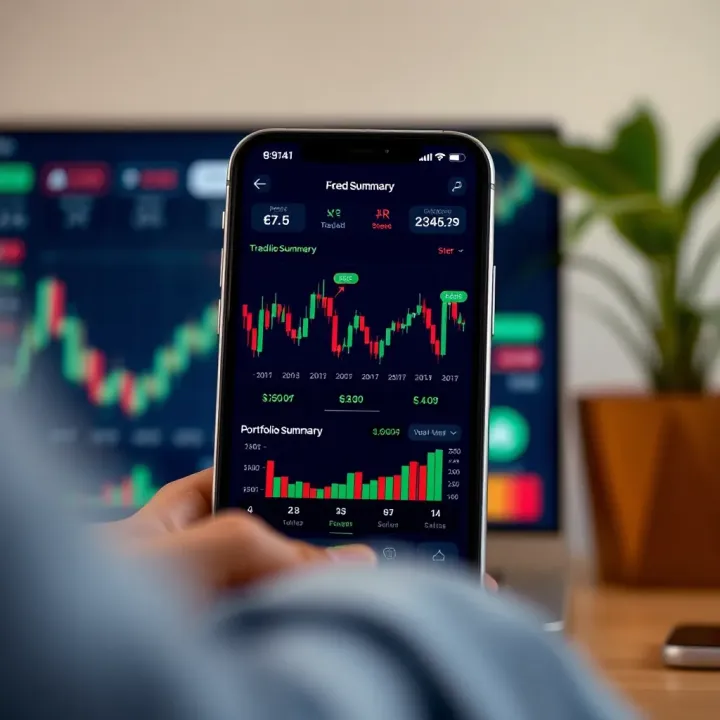
📱 Find the best easy trading app for Indian investors! Learn about features, security, usability & top options for stocks, mutual funds & more with confidence.
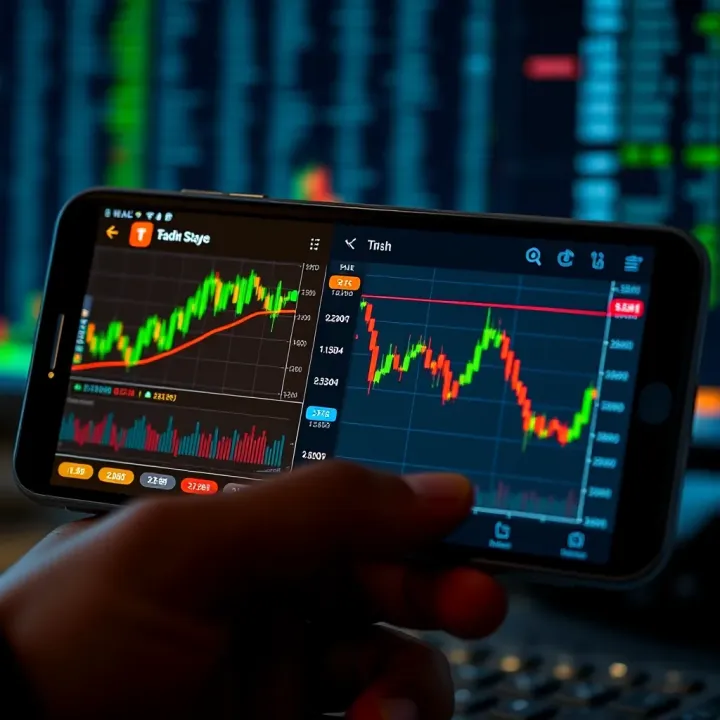
📱 Discover how to pick the right trading app in India by exploring key features, security tips, top platforms, and practical advice for both new and seasoned traders.
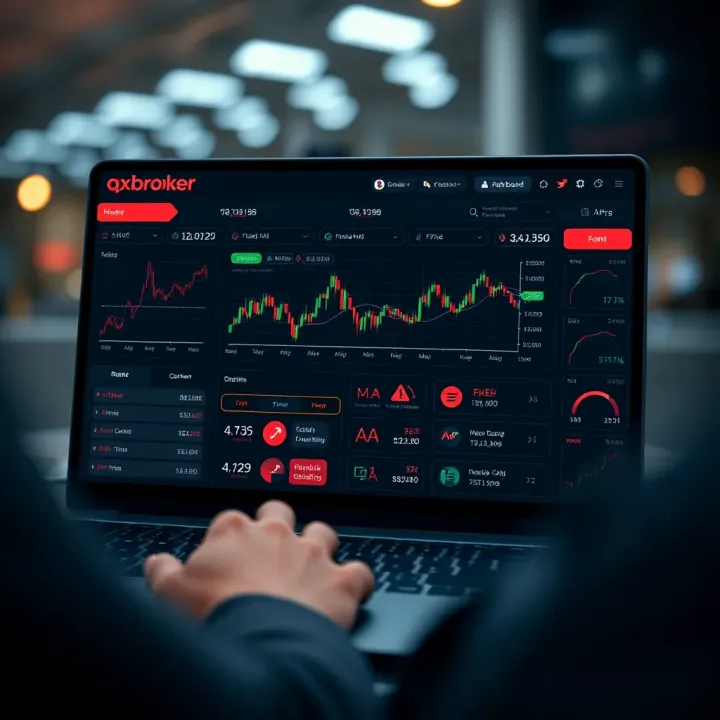
Explore the Qxbroker.com app’s features, security, and tools designed for Indian traders 📈. Learn how it stacks up against other platforms and helps refine your trading strategy.
Based on 15 reviews