

Choosing the Right Easy Trading App for Indian Investors
📱 Find the best easy trading app for Indian investors! Learn about features, security, usability & top options for stocks, mutual funds & more with confidence.
Edited By
William Harris
Trading apps have reshaped how investors in India participate in the stock market. With mobile phones in almost every hand, these apps offer a practical way for traders to stay updated, execute orders, and manage portfolios anytime and anywhere.
For serious daily traders, picking the right trading app isn’t just about convenience—it’s about speed, accuracy, and security. Whether you’re monitoring the Nifty 50 or managing a portfolio heavy on midcap stocks, your app must keep pace with market shifts and provide reliable data.
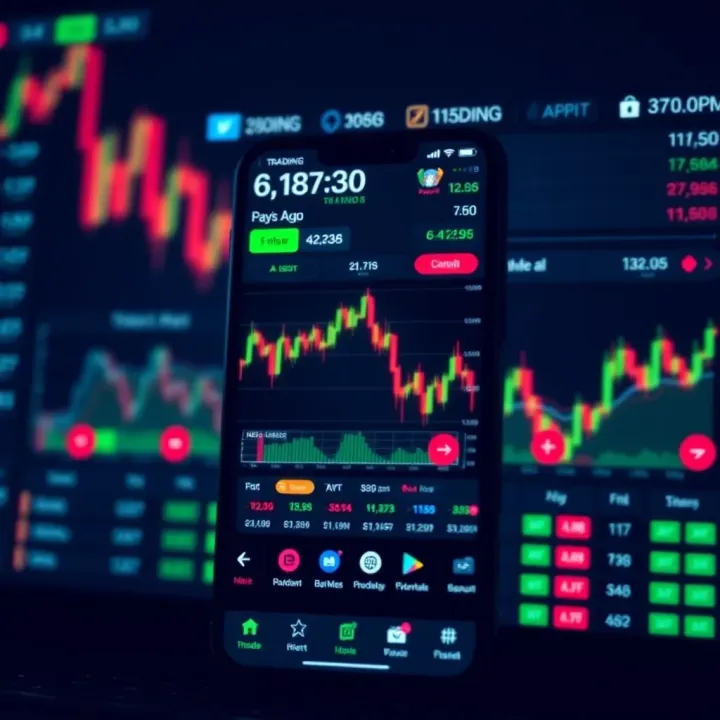
A good trading app can be your most valuable tool in intraday trading, helping you spot trends and react quickly to market moves.
Key factors to weigh include user interface design, real-time market updates, and seamless integration with your trading account. For example, apps like Zerodha’s Kite and Upstox offer fast order execution and detailed charts, crucial for analysing price movements.
Security is another non-negotiable aspect. An app must use strong encryption, two-factor authentication, and protect sensitive data against cyber threats. Given past instances of fraud in online trading, extra caution helps avoid losses.
Most apps now support multiple segments—equities, derivatives, commodities, and mutual funds—so you can diversify within one platform. Notifications and alerts for price changes or news events help traders stay on top without constantly watching the screen.
For Indian users, trading apps also link with services such as DigiLocker for document verification and Aadhaar-based e-KYC, speeding up account setup and compliance.
Understanding these factors helps traders choose the best daily trading app that matches their strategy and risk appetite. The right app should make your trading experience smooth, secure, and informed, giving you an edge in India’s dynamic markets.
Active traders in India depend heavily on apps that can deliver market data instantly and facilitate swift order execution. Daily trading apps must rise to meet these demands to keep pace with rapid market movements.
Having access to real-time market data is non-negotiable for daily traders. Delays of even a few seconds can translate to significant financial losses. Apps like Zerodha Kite and Upstox provide tick-by-tick updates on Sensex and Nifty 50 stocks, allowing traders to spot quick price changes and react immediately. Moreover, execution speed matters — the app should place orders without lag so traders can book profits or limit losses effectively.
Remember, when markets are volatile, slow execution is like missing the morning train; once gone, it's hard to catch up.
A cluttered or confusing interface can slow down decision-making. Top trading apps offer clean layouts that focus on essential information. Customisable dashboards help traders pin their favourite stocks or indices for quick access. For example, Groww's app lets you create watchlists, reorder widgets, and view your portfolio performance at a glance. These features reduce distractions and help traders manage multiple positions efficiently.
For active traders who rely on charts and indicators, the app must support advanced technical analysis. This means offering a variety of chart types (candlestick, line, bar) and tools like Moving Averages, RSI (Relative Strength Index), and Bollinger Bands. Apps such as Angel Broking provide these features right within the mobile platform, allowing traders to draw trendlines or apply oscillators on the go. Such capabilities enable informed entry and exit decisions based on solid data.
Seamless integration with Indian banking systems accelerates fund transfers—essential for active trading. Apps that connect directly with UPI, net banking, or enable instant NEFT/RTGS transfers save time. For instance, using HDFC Securities along with your HDFC bank account can make the process frictionless. This close integration not only simplifies buying or selling securities but also helps manage liquidity smartly.

Active traders should prioritise apps with these practical features to enhance trading efficiency and boost outcomes in India’s dynamic markets.
Using a daily trading app brings several clear advantages to Indian investors, especially those keen on active participation in the markets. These apps offer practical benefits such as ease of access, variety in investment options, and cost efficiency that traditional channels often cannot match. Understanding these advantages helps traders choose platforms that truly fit their style and goals.
Daily trading apps empower investors to trade without being tied to a physical office or desktop computer. You can place orders from your mobile anywhere—on a train, in a café, or even while waiting at a local store. This constant accessibility matters most when market conditions change rapidly and timing is critical. For example, during volatile sessions, an investor can quickly buy or sell shares of Reliance Industries without needing to rush to their laptop. This flexibility itself can be a game changer, especially for traders in tier-2 or tier-3 cities who might not have easy connectivity to traditional brokerage services.
Unlike older platforms that limited investors to equity markets, daily trading apps allow seamless investment across segments such as derivatives, commodities, currencies, and mutual funds. Many apps also integrate with the National Stock Exchange (NSE), Bombay Stock Exchange (BSE), and even offer international market access. This wide variety helps diversify investments efficiently. For instance, you might buy nifty futures in the morning, shift to gold trading by afternoon, and place a mutual fund SIP in the evening—all within a single app. Such range enhances portfolio management without juggling multiple accounts.
Trading through mobile apps typically costs less than using brokers with physical branches or older trading terminals. Many apps offer zero or minimal brokerage for equity delivery trades and low fees for intraday or futures contracts. This reduction in expenses means traders keep more of their profits. Plus, apps often absorb charges such as account maintenance and initial paperwork digitally, slashing ancillary costs. For example, Zerodha and Upstox popularised discount broking models offering trades at ₹20 or even free, compared with ₹50-100 via traditional broker setups. Over time, these savings can add up to a sizable amount, especially for frequent traders.
The combination of constant availability, access to varied options, and lower transaction costs makes daily trading apps a powerful tool for Indian investors who want to stay ahead in competitive markets.
By recognising these benefits, traders can better align their app choice with daily trading goals, balancing speed, variety, and cost to navigate India’s evolving financial markets with confidence.
Security is a top concern when using daily trading apps, especially given the sensitive financial information involved. For Indian traders and investors, robust safety measures protect your money and personal data from cyber threats and fraud. Trading platforms must prioritise security practices to build user trust and comply with regulatory standards.
Encryption safeguards your data by converting it into a coded format, making it unreadable to unauthorised users. Most trusted trading apps employ end-to-end encryption, meaning your orders, personal details, and transaction information stay secure from interception. For example, when you fund an account or place a trade on apps like Zerodha Kite or Upstox, encryption ensures no one can eavesdrop on these activities, even on public Wi-Fi. Additionally, data protection policies help prevent misuse or unauthorised sharing of your personal info, something that apps must clearly communicate in their privacy statements.
Two-factor authentication (2FA) adds a critical second layer of defence beyond your password. When enabled, logging in requires a secondary code sent to your mobile or email, reducing risks of account takeover. Apps such as Angel Broking and Groww offer 2FA options to secure login and sensitive actions like fund transfers. User verification also involves submitting KYC (Know Your Customer) documents, such as your Aadhaar and PAN card, which are essential for compliance with Securities and Exchange Board of India (SEBI) guidelines. This process not only validates your identity but also prevents misuse of the platform by fraudulent entities.
Trading apps operating in India must comply with SEBI regulations and hold proper licences. This oversight ensures apps follow standard practices for client fund handling, transparency, and risk management. Traders should check if the app is registered with SEBI and if it offers services through recognised brokers affiliated with stock exchanges like NSE and BSE. For instance, an app claiming to provide stock trading without SEBI registration should raise red flags. Compliance also means apps adhere to Anti-Money Laundering (AML) and Combating the Financing of Terrorism (CFT) rules, adding layers of protection for your investments.
Always verify security features and regulatory approvals before selecting a trading app, as these are your first line of defence against financial fraud and data breaches.
In short, security practices such as strong encryption, two-factor authentication, and strict regulatory compliance are non-negotiable for Indian investors. These measures keep your trades safe and your data private, making your experience more reliable and stress-free.
Picking the right daily trading app is key for anyone serious about active trading or investing in India. With so many options flooding the market, choosing an app that suits your trading style, budget, and comfort with technology can improve your efficiency and reduce costly mistakes. For example, a trader focusing on intraday equity might prioritise an app like Zerodha Kite for its quick order execution and low brokerage. Meanwhile, a beginner might prefer Groww or Upstox, which offer simpler interfaces and educational support.
Not all trading apps offer the same value or features. Popular choices in India, such as Zerodha Kite, Upstox, 5Paisa, and Angel Broking, differ in fee structures, market coverage, and interface usability. Zerodha Kite, for instance, is favoured for its seamless integration with NSE and BSE and robust charting tools, while Upstox appeals with its low brokerage charges for high-volume traders. Meanwhile, Angel Broking provides a mix of advisory services and educational content, which helps investors learn as they trade. Assessing these options based on your trade frequency, preferred instruments, and platform stability is essential.
A clear understanding of cost structures can save you from unpleasant surprises. Some apps charge flat brokerage per trade, such as 5Paisa’s ₹20 per order, while others like Zerodha charge zero brokerage for equity delivery but fees for intraday or F&O trades. Besides brokerage, watch out for hidden fees such as account maintenance charges, data feed costs, or penalties for order modifications. For example, several apps levy an annual maintenance charge (AMC) for your demat account, typically around ₹300-₹600. Careful scrutiny of the fee breakdown and comparing effective costs across your usual trade volumes can lead to significant savings.
Good customer support makes trading smoother, especially if you face technical issues or need clarifications on brokerage policies. Apps like Angel Broking and ICICI Direct offer round-the-clock support with dedicated helplines and chat services. On top of that, educational resources such as tutorials, webinars, and market analysis can be valuable—particularly if you're new to trading. Platforms providing these not only help you sharpen your skills but also keep you updated on market trends, which is vital for informed decision-making.
Choosing the right trading app is not just about features but how well it fits your trading habits, cost preferences, and support needs. Take time to review and compare before committing to one platform.
When evaluating apps, create a checklist based on your priorities. Consider factors like interface simplicity, real-time data reliability, brokerage charges, and support quality. Test free versions or demo accounts when available. This practical approach ensures you won't get stuck with an app that slows you down or drains your profits.
Selecting the best daily trading app tailored to your style can enhance your daily trading experience and protect your investments effectively.
Today's daily trading apps bring the market right to your fingertips, but making the most of them means more than just clicking ‘buy’ or ‘sell’. Successful trading requires sharp risk management, clear-headed decision-making, and timely information. Let’s explore some actionable tips to help you trade effectively on your mobile.
Risk management is the backbone of daily trading. Using stop-loss orders—where you set a predetermined price to exit a trade—can protect your capital from sudden market swings. Consider a stock you bought at ₹500; setting a stop-loss at ₹480 limits losses to ₹20 per share. Most trading apps like Zerodha Kite or Upstox allow easy placement of stop-loss orders, giving you peace of mind especially during volatile sessions. Without this, a sudden dip can wipe out significant gains or your entire investment.
Trading on a mobile app makes transactions fast and frequent, but the ease can tempt you into emotional or excessive trading. Impulsive decisions, driven by market noise or fear of missing out, often lead to losses. It's wise to stick to a trading plan, setting daily limits on the number of trades or the amount you’re willing to risk. For instance, if you notice yourself jumping on every small fluctuation, pause and review your strategy instead of chasing quick profits. Overtrading not only boosts costs through brokerage but also increases exposure to market unpredictability.
A mobile trading app's value multiplies when paired with real-time market updates and insights. Features that push relevant news alerts—like RBI policy changes, quarterly results, or global economic events—help you react quickly. Apps such as Moneycontrol or Economic Times Market offer customised news feeds for traders. For example, if crude oil prices jump due to geopolitical tensions, energy stocks can see sharp moves; getting notified instantly helps you make informed trades rather than guessing.
Effective daily trading relies on balancing swift actions with careful planning. Managing risks, recognising emotional patterns, and staying informed keep you ahead on the trading screen.
Incorporating these tips into your daily routine on trading apps ensures your efforts are more calculated and your investments better protected. It’s about working smarter, not just faster, in the dynamic world of stock markets.
📱 Find the best easy trading app for Indian investors! Learn about features, security, usability & top options for stocks, mutual funds & more with confidence.
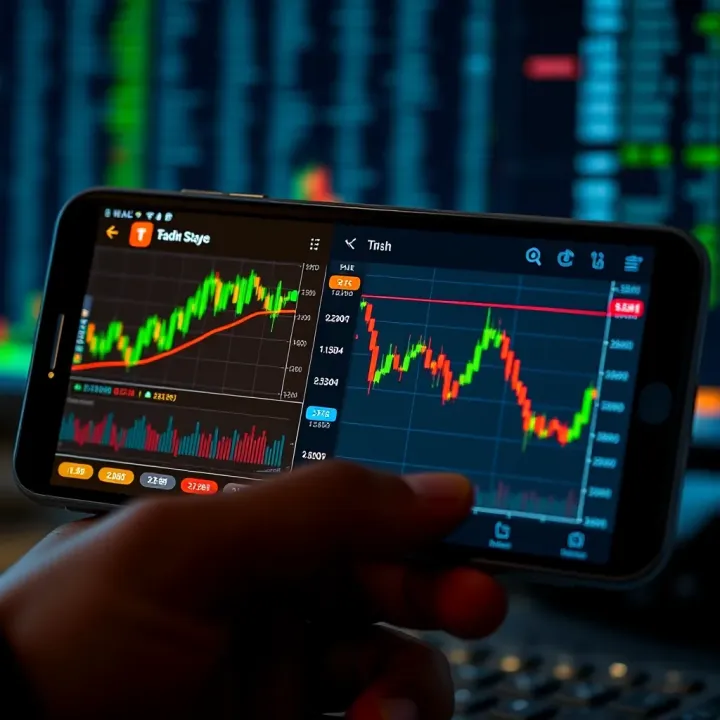
📱 Discover how to pick the right trading app in India by exploring key features, security tips, top platforms, and practical advice for both new and seasoned traders.

📱Looking for a trustworthy real trading app in India? Discover how to choose the best platform, key features, risks, and tips for safe investing.
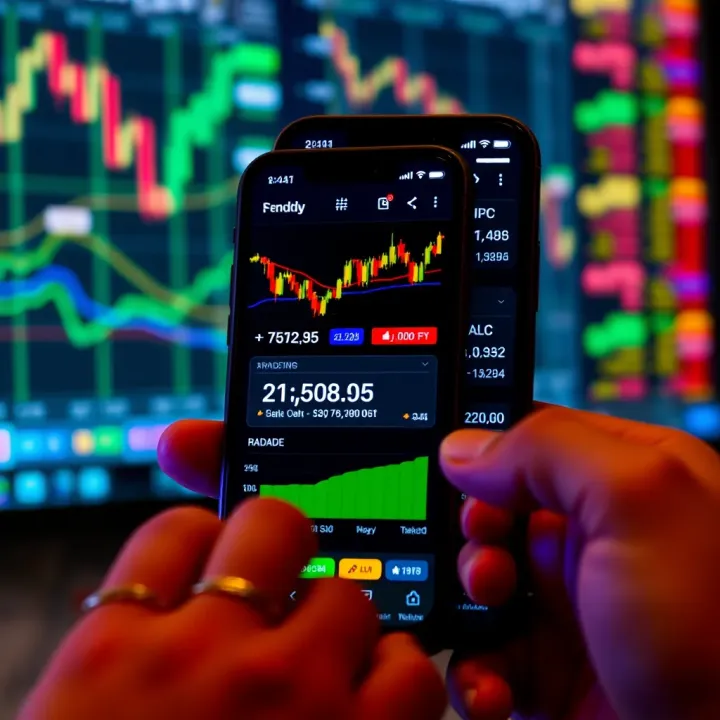
Discover top demo trading apps in India 📱, learn key features and how to use them effectively to practise trading strategies risk-free before real investing 💹.
Based on 12 reviews